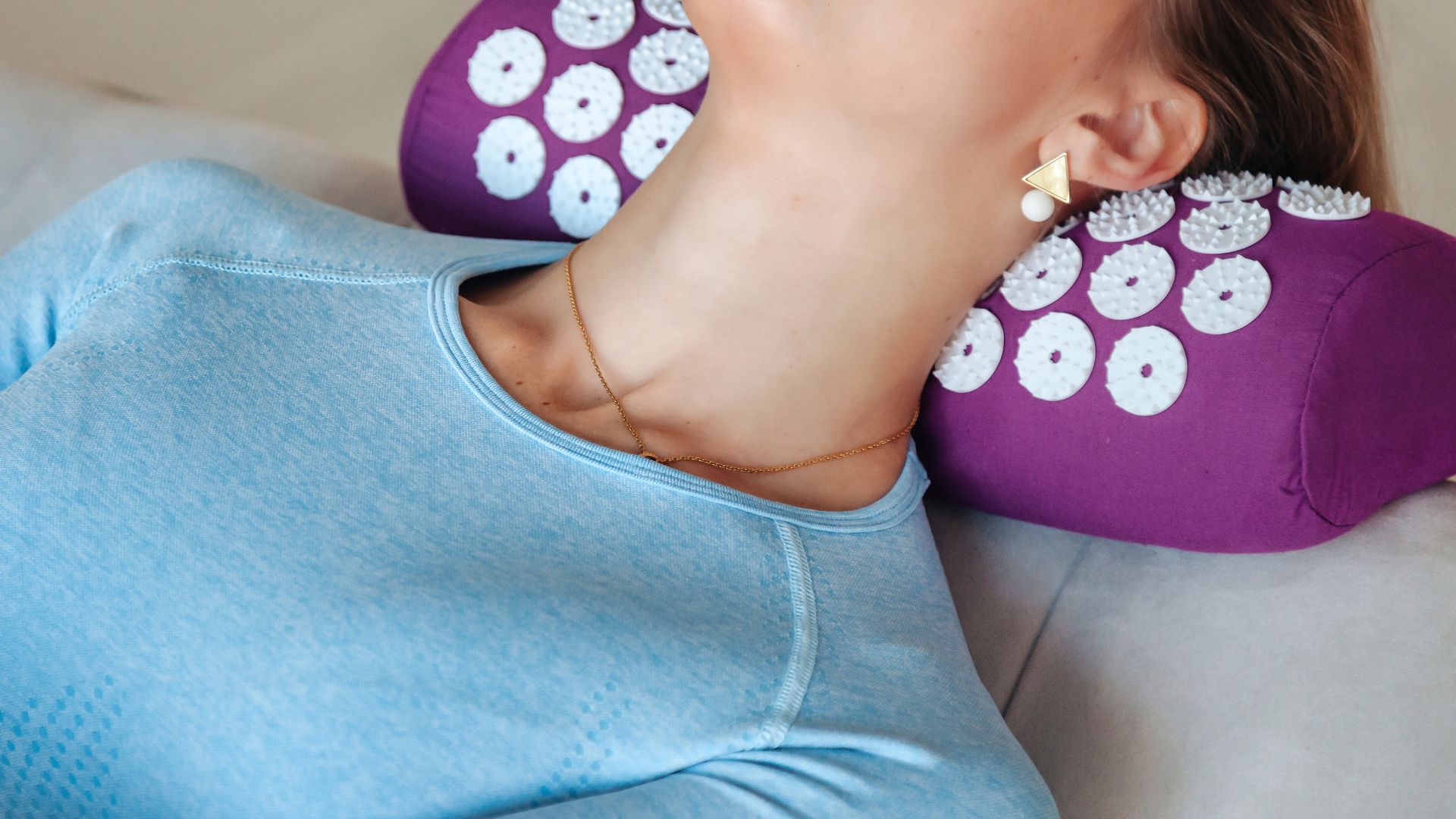
Heat or Ice After a Chiropractic Adjustment is not a theoretical question. It usually comes up later the same day, when the appointment is over and the body starts responding. Some people feel lighter almost immediately. Others notice soreness creeping in a few hours later. Both reactions are normal, and neither means something went wrong.
Most patients are not looking for complicated explanations. They want to know: Heat or Ice After a Chiropractic Adjustment, what will actually help them feel better at home. Heat and ice are simple tools, but using the wrong one at the wrong time can make recovery slower instead of easier. Understanding how the body reacts after an adjustment makes that decision much clearer.
What the Body Is Doing After an Adjustment
A chiropractic adjustment restores movement where joints were restricted. That change affects more than just the spine. Muscles, ligaments, and nerves all respond once normal motion returns.
In the hours or day following an adjustment, patients may notice:
- Light soreness in the treated area
- Muscles feeling tired or released
- A sensation similar to mild post-exercise stiffness
- Temporary sensitivity when moving
These reactions usually fade as the body adapts. Choosing heat or ice after a chiropractic adjustment depends on how that response shows up for you.
When Ice Is the Better Option
Ice is most helpful when discomfort feels sharp, irritated, or inflamed. Cooling the area helps calm tissues that are reacting to change and can make soreness easier to tolerate.
Ice is often useful if you experience:
- Tenderness in a specific spot
- Swelling or a “hot” feeling
- Sharp or pinpoint discomfort
- A flare-up related to an old issue
For many patients, ice is most effective during the first 24 to 48 hours, especially if soreness appears quickly after care.
Using Ice the Right Way
Ice does not need to be complicated:
- Wrap a cold pack in a thin towel
- Apply for about 15–20 minutes
- Allow the area to warm up before repeating
Ice should never be placed directly on bare skin, and longer sessions do not improve results. When used properly, ice after a chiropractic adjustment supports recovery without overstimulation.
When Heat Makes More Sense
Heat works in a different way. Rather than calming irritation, it encourages muscles to relax and increases circulation. This makes heat a good option when discomfort feels stiff or achy rather than sharp.
Heat may help when:
- Muscles feel tight or guarded
- Movement feels restricted by stiffness
- Soreness is dull and spread out
Many patients prefer heat a day or two after their adjustment, once initial tenderness has eased and muscles are settling into improved movement.
Safe Heat Application
Heat should always feel comfortable:
- Use a heating pad, warm towel, or shower
- Limit sessions to 15–20 minutes
- Avoid high heat settings
If heat feels intense rather than soothing, it is too much. Used appropriately, heat after a chiropractic adjustment helps muscles move more freely.
An Easy Rule to Follow
Patients often ask for a simple way to decide. While every body responds differently, this guideline works well in most cases:
- Ice for sharp pain, swelling, or irritation
- Heat for stiffness, muscle tension, or dull soreness
In some situations, alternating ice and heat may be helpful. This is usually done intentionally—starting with ice and finishing with heat—based on how the body responds.
Supporting Recovery at Home
Using heat or ice after a chiropractic adjustment works best when paired with basic self-awareness. Recovery is not about doing more; it is about giving the body space to adapt.
Helpful habits include:
- Drinking plenty of water
- Avoiding sudden or intense activity right after care
- Paying attention to how symptoms change over the next day
These small choices often make recovery smoother and more predictable.
A Grounded Approach to Aftercare
Chiropractic care is not about instant transformation. Progress tends to be steady and realistic. Mild soreness does not mean something went wrong—it usually means the body is adjusting.
Understanding how and when to use heat or ice after a chiropractic adjustment helps patients manage that adjustment period with more confidence. It also reduces the urge to rely on medication for sensations that are temporary and expected.
Heat or Ice After a Chiropractic Adjustment: How Patients Actually Work It Out
By the time people revisit the question of heat or ice after a chiropractic adjustment, it’s rarely academic. It usually comes up later that day or the next morning, when something feels different—not worse, just unfamiliar. A spot feels tender when you turn your head. Your lower back feels looser but also slightly sore. You start wondering whether you should do something about it or just leave it alone.
That moment is completely normal.
An adjustment changes how joints move, and when movement changes, the surrounding tissues respond. Muscles that were guarding may finally relax. Areas that were stiff begin moving again. Heat and ice don’t “correct” anything, but they can make this transition easier to live with.
The key is knowing what you’re responding to, not following a rigid rule.
How the Body Responds in the Hours and Days After Care
Most patients expect relief right away, and many do feel it. Even so, when an adjustment feels good, the body still needs time to adapt. Changes in joint motion and muscle activity require a short period of physiological adjustment as tissues respond to restored movement.
Common post-adjustment responses include:
- Mild soreness in one specific area
- A temporary feeling of muscle fatigue around the spine
- Stiffness that appears later in the day
- Sensitivity during bending, turning, or standing
These responses are consistent with musculoskeletal adaptation following manual therapy and are widely recognized in clinical practice. The World Federation of Chiropractic supports chiropractic care as a regulated, evidence-informed health profession focused on managing musculoskeletal conditions, working in official collaboration with the World Health Organization.
For this reason, temporary post-adjustment soreness is not interpreted as treatment failure, but as a normal and expected response to restored joint mobility and neuromuscular activity. Deciding on heat or ice after a chiropractic adjustment depends on how these clinically recognized responses present and how the body adapts over time.
How Most Patients Decide Without Overthinking It
In practice, patients don’t stand in their kitchen debating physiology. They go by feel.
Here’s what tends to guide the decision naturally:
- If the area feels irritated, tender, or slightly swollen, cold usually feels calming
- If it feels tight, stiff, or hard to loosen up, warmth often feels better
- If nothing feels clearly helpful, doing nothing for a while is sometimes the best choice
That last point is important. Aftercare doesn’t always mean action. Sometimes rest is the most supportive option.
Heat and Ice Side by Side: A Practical Snapshot
Rather than thinking in absolutes, many patients find it helpful to see how heat and ice are commonly used in everyday situations.
| What you’re noticing | Ice | Heat |
| Tender or inflamed area | Recommended | Not recommended |
| Swelling or warm, inflamed soreness | Recommended | Not recommended |
| Sharp or pinpoint discomfort | Recommended | Not recommended |
| Tight or guarded muscles | Not recommended | Recommended |
| Stiffness later in the day | Not recommended | Recommended |
| Dull, achy discomfort | Not recommended | Recommended |
Many patients try one option once and let their body’s response guide them the rest of the way, this being the safest option.
Using Ice: When Cooling Makes Sense
Ice is most helpful when tissues feel irritated. Cooling the area can take the edge off soreness and reduce the sensation of inflammation, especially early on.
Ice is commonly used when:
- Soreness shows up soon after the appointment
- The area feels sensitive to touch
- There is mild swelling or warmth
- Discomfort feels sharp rather than spread out
For many people, ice is most useful during the first 24 to 48 hours.
To use ice safely:
- Wrap the cold pack in a thin towel
- Apply for about 15–20 minutes
- Allow time between applications
More time is not better. Ice works best when it’s brief and controlled.
Using Heat: When Muscles Need to Let Go
Heat works in almost the opposite way. Instead of calming irritation, it encourages blood flow and helps muscles relax. This characteristic makes it especially helpful when stiffness becomes the main issue.
Heat is often chosen when:
- Muscles feel tight or guarded
- Movement feels restricted rather than painful
- Discomfort is dull and spread out
Many patients discover heat more comfortable a day or two after their adjustment, once initial soreness has eased.
Safe heat use includes:
- Heating pads, warm towels, or showers
- Sessions limited to 15–20 minutes
- Moderate warmth, not high heat
Heat should feel soothing. If it feels intense, it’s too much.
About Alternating Heat and Ice
Some patients are told to alternate heat and ice and assume it’s always necessary. In reality, alternating is useful only in certain situations.
Alternating may make sense when:
- Initial irritation has calmed, but stiffness remains
- Muscles tighten after inflammation settles
- Your chiropractor has specifically suggested it
A common approach is
- Ice first to calm irritation
- A rest period
- Heat later to relax muscles
If alternating feels uncomfortable or confusing, it’s a sign to pause and ask rather than push through.
Common Aftercare Mistakes (Very Normal Ones)
Most aftercare issues don’t come from neglect. They come from trying to do too much.
Patients often run into trouble when they:
- Use heat on an area that’s still inflamed
- Leave heat or ice on too long
- Assume soreness means something went wrong
- Resume strenuous activity too quickly
Mild soreness after an adjustment is common and usually temporary. Aftercare is meant to support comfort, not accelerate the process.
When Heat or Ice Should Be Avoided
There are times when caution matters more than comfort. If you have reduced sensation, circulation issues, or certain nerve conditions, it’s best to check before applying either.
In general:
- Never apply heat or ice directly to bare skin
- Avoid sessions longer than 20 minutes
- Do not fall asleep with heat or ice applied
If something feels off, stop. Aftercare should feel supportive, not stressful.
A Simple Next Step If You’re Unsure
Most patients don’t need to overthink recovery after care. In many cases, paying attention to how the body responds and knowing when to use heat or ice after a chiropractic adjustment is enough to stay comfortable as tissues adapt. When questions come up, that’s normal—and it’s part of responsible care to ask rather than guess.
If soreness, stiffness, or uncertainty has been lingering, scheduling a follow-up visit allows your chiropractor to reassess, answer questions, and guide your aftercare based on your specific response. Heat or Ice After a Chiropractic Adjustment is easiest to manage when you have professional guidance and ongoing Chiropractic Care in Clark NJ and Manhattan NY focused on safe, steady progress. Booking a visit is a practical way to make sure your recovery stays on track.