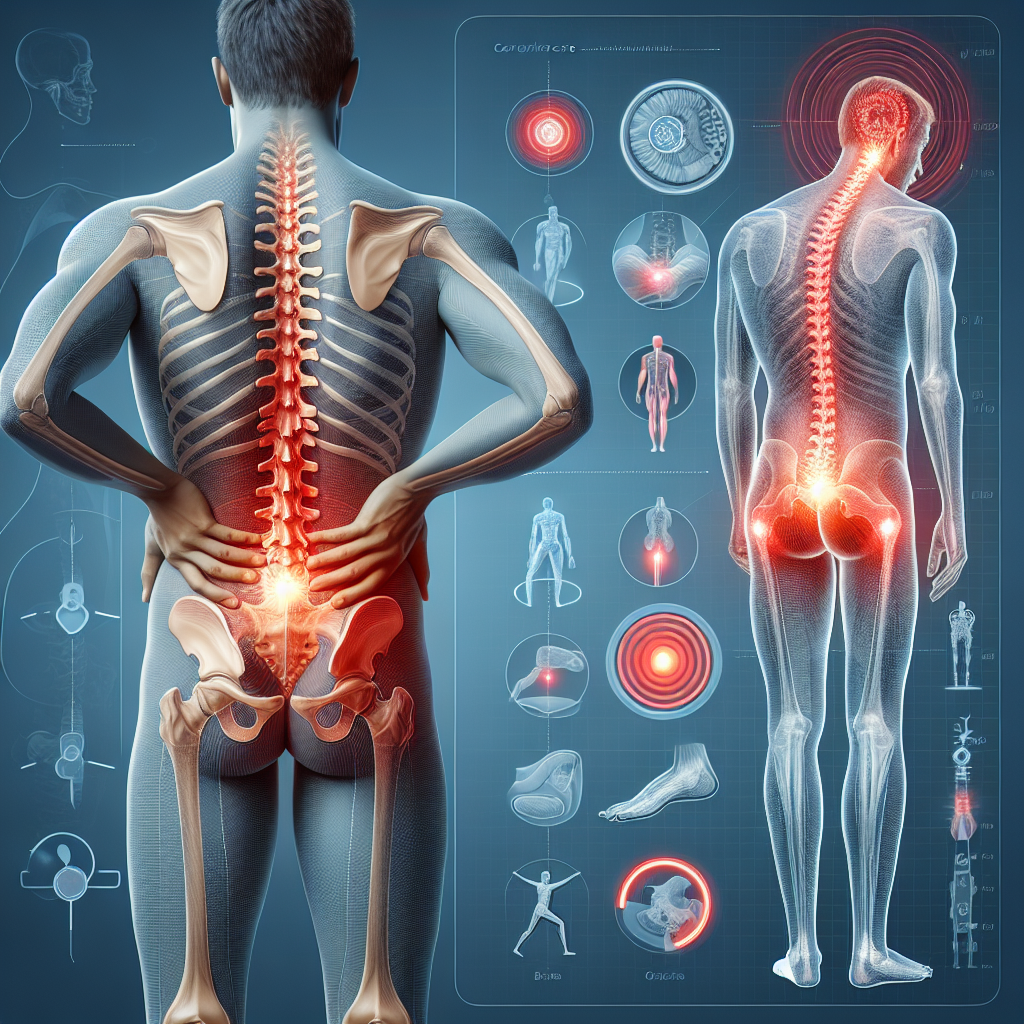
Sciatica is a term many people have heard, but it often raises questions about what it truly means. If you are experiencing pain that radiates down your leg or discomfort in your lower back, understanding sciatica may help you find relief. In this article, we will explore the causes, symptoms, and conservative care options available to manage this condition effectively.
Whether you are dealing with occasional discomfort or persistent pain, knowing more about sciatica can empower you as a patient. Let’s dive into what you need to know.
Why this matters for people living or working in the area
Sciatica is particularly relevant for individuals in Clark, NJ, and Manhattan, NY, where the demands of urban lifestyles, such as long commutes and sedentary jobs, can strain your body. Understanding this condition is crucial for maintaining mobility and comfort in your daily activities.
Recurring patterns and risk factors
Sciatica occurs when the sciatic nerve, which runs from your lower back down each leg, becomes compressed or irritated. Various factors can contribute to this nerve irritation, and recognizing them can help you take preventive measures:
- Herniated discs: The gel-like cushions between vertebrae can bulge or rupture, putting pressure on the sciatic nerve.
- Spinal stenosis: Narrowing of the spinal canal can lead to nerve compression.
- Spondylolisthesis: A condition in which a vertebra slips out of place, often resulting in nerve pressure.
- Piriformis syndrome: The piriformis muscle, located in the buttock, can become tight and irritate the sciatic nerve.
- Repetitive movements: Lifting heavy items or awkward twisting can exacerbate or trigger symptoms.
How to spot problem areas in everyday life
Identifying potential contributors to sciatica can start with your daily habits and environment. Look for:
- Poor posture while sitting or standing, especially if you work at a desk for long hours.
- Improper lifting techniques, such as bending at the waist instead of your knees.
- Finding yourself inactive, leading to weakened core and back muscles.
- Wearing unsupportive footwear, particularly for those on their feet often.
Prevention strategies by profile
Adopting proactive strategies tailored to your lifestyle can significantly reduce the risk of developing sciatica:
- Office workers: Take breaks every hour to stand, stretch, and walk. Ensure your workstation is ergonomically set up.
- Active adults: Incorporate strengthening and stretching exercises into your routine to maintain muscle balance.
- Seniors: Engage in gentle activities like walking or swimming, which improve mobility without excessive strain.
- Pregnant people: Use supportive pillows and avoid heavy lifting while maintaining good posture.
- Parents & kids: Teach proper lifting techniques and encourage physical activity to build strong muscles.
What to ask your chiropractor and health team
Consultation with a healthcare professional can be invaluable. Consider asking:
- What might be the underlying cause of my sciatica?
- What conservative care options do you recommend?
- How can I incorporate self-care strategies at home?
- What signs should alert me to seek further medical evaluation?
How to follow credible evidence and guidelines
Staying informed about sciatica and its management is essential. Seek advice from reputable sources, such as medical institutions and evidence-based guidelines, to ensure you are receiving accurate information. This will also help you feel more confident in the care you pursue.
FAQ
- What are the common symptoms of sciatica? Symptoms typically include sharp pain in the lower back, buttocks, and down the back of one leg, along with tingling or numbness.
- Will chiropractic care help with sciatica? Many people find chiropractic care can help alleviate discomfort and improve mobility through gentle adjustments and supportive exercises.
- How long does sciatica usually last? Sciatica may resolve on its own in a few weeks, but some individuals experience chronic symptoms. Consulting with a healthcare provider can help tailor a management plan.
- What conservative treatments are effective for sciatica? Methods such as physical therapy, acupuncture, and chiropractic care are often recommended as initial approaches to managing pain.
- When should I seek emergency care? Seek immediate help if you experience loss of bladder or bowel control, severe weakness, or loss of sensation in the leg.
Responsible conclusion
Understanding sciatica involves recognizing its underlying causes, symptoms, and potential care options. By being informed, you can take proactive steps to manage or prevent this discomforting condition. Collaborative care with your healthcare team can guide you toward achieving better mobility and comfort in your daily life.
Warning signs
Pay attention to certain warning signs that indicate you may need to seek further care. These include:
- Severe pain that does not improve with rest.
- Persistent numbness or weakness in your leg.
- Loss of bladder or bowel control.
What to do before / during / after
Here are practical steps to consider:
- Before a visit: Keep a journal of your symptoms to discuss with your healthcare provider.
- During your appointment: Be honest about your pain and lifestyle so your care team can provide tailored support.
- After your visit: Follow the recommended exercises and lifestyle adjustments for the best outcomes.
Prevention checklist
To maintain spinal health and prevent sciatica, consider these tips:
- Practice good posture.
- Engage in regular physical activity.
- Use proper techniques when lifting.
- Avoid excessive sitting or slouching.
- Wear properly supportive footwear.