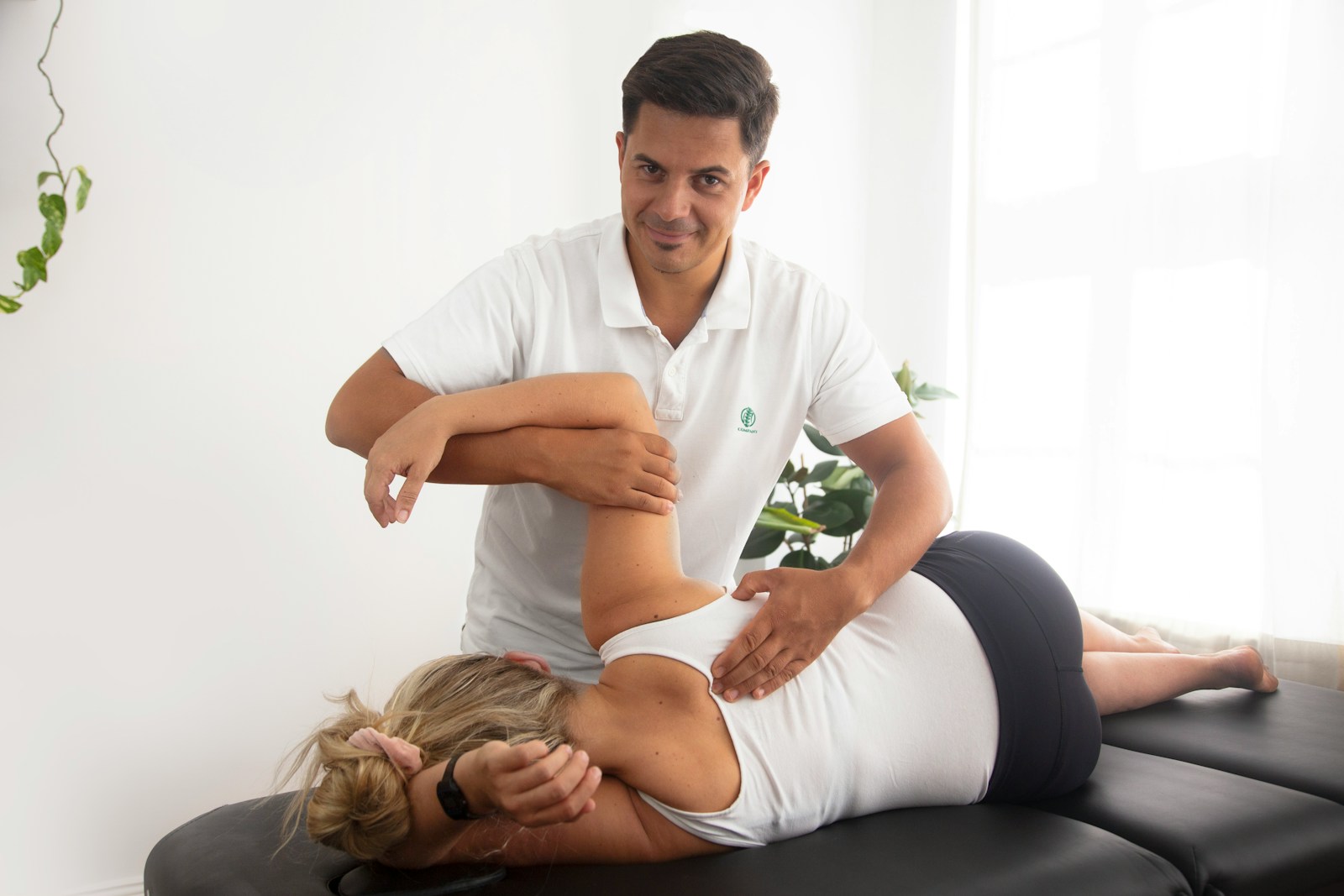
Stress is a common experience for many, and it can significantly impact both mental and physical health. One of the often-overlooked effects of stress is its connection to muscle tension and spine pain. Understanding this relationship can help you take proactive steps toward managing stress and improving your overall well-being.
When stress occurs, the body enters a “fight or flight” mode, leading to various physiological changes. These changes often result in tight muscles, discomfort, and sometimes, chronic pain. In this article, we will explore how stress influences muscle tension, its effect on spinal health, and practical tips to mitigate these issues.
Why this matters for people living or working in the area
For residents of Clark, NJ, and Manhattan, NY, the fast-paced lifestyle can contribute to heightened stress levels. Whether it’s balancing work demands, commuting, or managing family responsibilities, these stressors can lead to muscle tightness and spine pain. Understanding this connection is essential for enhancing your daily comfort and maintaining an active lifestyle.
Recurring patterns and risk factors
Several common patterns and risk factors can exacerbate the relationship between stress and muscle tension:
- High-Stress Environments: Workplaces or personal situations that consistently produce stress can lead to chronic muscle tension.
- Poor Posture: Stress can encourage slouching or tensing of muscles, which can lead to discomfort in the neck and back.
- Inactivity: Stress may reduce motivation for physical activity, contributing to muscle stiffness.
- Sleep Disruption: Anxiety and stress can affect sleep quality, worsening physical symptoms and muscle tension the following day.
How to spot problem areas in everyday life
Identifying areas of muscle tension can provide insight into how stress affects your body. Common indicators include:
- Consistent tightness in the shoulders and neck
- Pain or discomfort in the lower back
- Frequent headaches or tension-type headaches
- Fatigue that worsens with stress
Prevention strategies by profile
Implementing stress management techniques can significantly impact muscle tension and spine health. Here are some tailored strategies based on lifestyle profiles:
Office workers
If you spend long hours at a desk, consider incorporating:
- Regular breaks to stretch and adjust your posture
- Desk ergonomics to align your workstation with your body
- Deep breathing exercises to relieve tension
Active adults
For those who lead active lifestyles, it’s essential to:
- Balance physical activity with restorative practices, such as yoga or tai chi
- Avoid overexertion when under stress
- Incorporate flexibility exercises to reduce stiffness
Seniors
Older adults can benefit from:
- Gentle stretching routines to maintain flexibility
- Mindfulness practices to manage stress levels
- Regular check-ins with healthcare providers to address pain
Pregnant people
Expecting mothers should focus on:
- Gentle yoga or prenatal classes to reduce tension
- Using supportive pillows during sleep to alleviate back pain
- Staying hydrated and nourished to support overall health
Parents & kids
Families can implement strategies like:
- Engaging in family activities that promote relaxation, such as walks or outdoor play
- Establishing routines that include stress management techniques
- Encouraging open communication about stress in a supportive environment
What to ask your chiropractor and health team
When seeking chiropractic care for muscle tension and spine pain influenced by stress, consider discussing:
- Gentle chiropractic techniques suitable for your needs
- Possible lifestyle modifications to reduce stress levels
- Therapies that may complement chiropractic adjustments, such as massage or acupuncture
How to follow credible evidence and guidelines
Staying informed about stress management and muscle tension is vital. Rely on reputable guidelines and institutions for advice, such as the World Health Organization (WHO) and the National Institute of Health (NIH). Regular consultations with healthcare professionals can keep you updated on best practices for managing stress and related physical symptoms.
FAQ
- Can stress really cause muscle pain? Yes, stress often leads to muscle tension, which can result in pain and discomfort.
- How do I relieve stress-induced muscle tension? Engage in relaxation techniques like deep breathing, yoga, or regular exercise.
- Is chiropractic care effective for stress-related pain? Many people find chiropractic care helpful in addressing tension and improving spinal health.
- How often should I see a chiropractor for muscle tension? Frequency may vary by individual. It’s essential to discuss your specific needs with your chiropractor.
- Are there preventative measures for muscle tension? Yes, regular stretching, maintaining proper posture, and managing stress are effective preventative strategies.
- When should I seek medical attention for muscle pain? If you experience severe pain, numbness, or persistent discomfort, consult a healthcare professional.
- Can lifestyle changes help reduce stress-related tension? Absolutely! Incorporating exercise, balanced nutrition, and relaxation techniques can significantly help.
Responsible conclusion
Stress plays a substantial role in muscle tension and spine pain, especially for individuals living busy lifestyles in areas like Clark and Manhattan. By understanding how stress affects the body, you can actively work to mitigate its impact. Implementing simple lifestyle changes and seeking appropriate chiropractic care can lead to improved comfort and overall well-being.
Warning signs
Be aware of warning signs that may indicate a more serious condition, such as:
- Severe pain that doesn’t respond to self-care
- Numbness or tingling in the legs or arms
- Signs of infection, like fever or swelling
What to do before / during / after
Before your visit: Prepare a list of your symptoms and questions to optimize your consultation.
During your visit: Communicate openly with your chiropractor about your stress levels and any physical discomfort.
After your visit: Follow your chiropractor’s recommendations and incorporate relaxation strategies into your daily routine.
Prevention checklist
- Practice good posture in all activities.
- Schedule regular physical activity, including stretching.
- Engage in stress-relief practices consistently.
- Stay hydrated and maintain proper nutrition.
- Check in regularly with healthcare providers for ongoing support.