
This article is aimed at people who live with spinal pain, low back pain, muscle discomfort, or stiffness after daily activities and exercises. Learning to use heat and ice correctly can reduce discomfort, improve mobility, and facilitate participation in home, work, and leisure activities. If you are looking for guidance from a chiropractor in Clark NJ, this practical guide shows when to apply heat, when to opt for ice, and how to integrate these strategies into sleep, posture, and movement habits throughout the week.
We will address simple rules to differentiate acute pain from chronic pain, understand signs of inflammation, think about the right moment for each technique, and adapt management to your lifestyle. Additionally, we include safe application tips, examples of common situations where heat or ice help, and guidelines for seeking professional evaluation when necessary. The goal is to offer clear information, without promising miraculous results, with a focus on comfort, safety, mobility, and body care. If you already consult a chiropractor in Clark NJ, these guidelines can complement your treatment plan.

When to use ice (cryotherapy) for spine and muscle pain
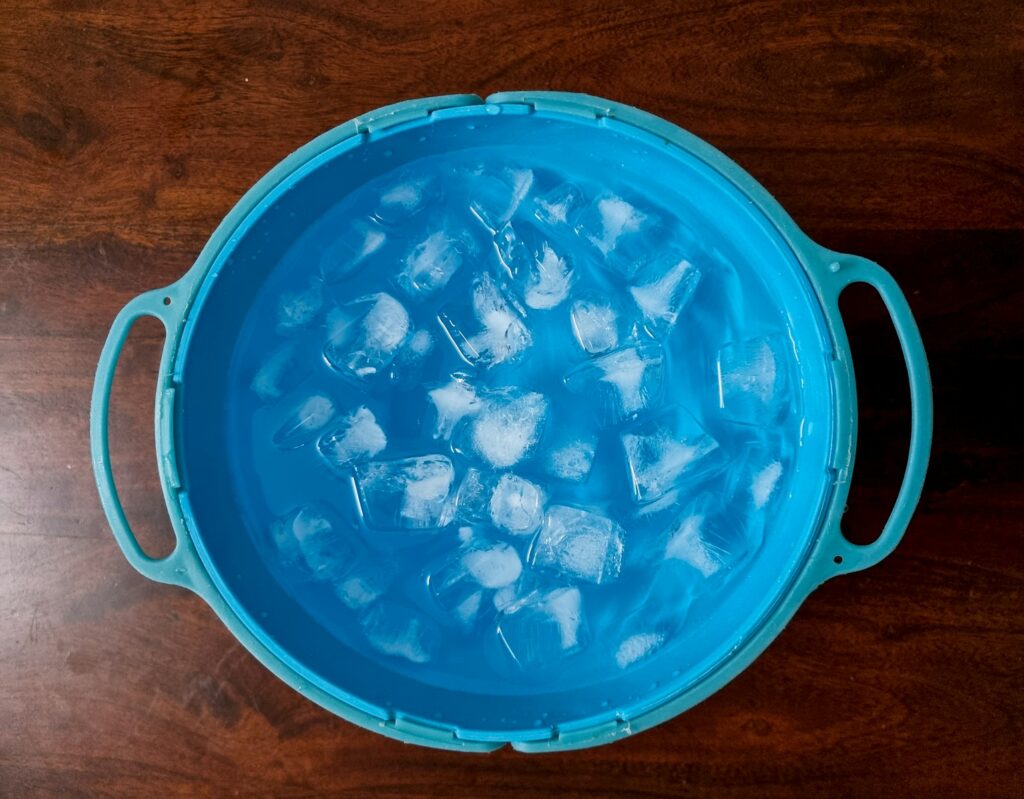
For recent injuries, mild sprains, or acute pain after intense training, ice can help reduce local inflammation and decrease discomfort. The main function of cryotherapy is to decrease blood flow in the affected area, which can limit edema. Practical tips: apply ice wrapped in a thin cloth for 15–20 minutes per session, every 2–3 hours in the first days, always with a barrier between the ice and the skin to avoid burns.
“For acute pain, ice can reduce inflammation in the first days; use with regular intervals and avoid direct contact with the skin.”
Do not use ice as the first option in all situations. In chronic pain without marked inflammation, cryotherapy may not bring significant benefit and, in some cases, can increase stiffness. If there is intense tingling, color changes, or numbness, discontinue use and seek guidance.
When to use heat (thermotherapy) for spine and muscle pain
Thermotherapy is particularly useful for some forms of muscle pain, stiffness, or pain that worsens with rest or with slow movements. Heat increases blood flow, promoting the delivery of oxygen and nutrients to tense muscles and soft tissues, which favors relaxation. Use warm compresses, heated towels, or a warm water bottle for 15-20 minutes, avoiding extremely high temperatures. Avoid heat on signs of acute inflammation with visible swelling.
“Gentle heat can help relax tense muscles and improve flexibility when the pain is associated with stiffness, not acute inflammation.”
If there is fever, active swelling with worsening, or neurological changes, seek medical guidance. Heat should not be used on open injuries, wounds, or areas with sensitive skin without professional supervision. In cases of hernias or nerve pain, the guidance of a specialist is essential before using heat for a prolonged period.
How to apply heat or ice safely
Some simple practices help to minimize risks and maximize relief. Always protect the skin, use a barrier between the ice pack and the skin, and respect time limits. Start with the shorter time and increase if the skin does not present signs of irritation. Do not sleep with active ice or with heating on. Stop immediately if there is burning, intense tingling, or color change in the skin.
- Determine if the pain is acute (recent) or chronic (persistent) before choosing the technique.
- Use ice in the first 24-48 hours after an injury, with sessions of 15-20 minutes.
- Opt for heat for muscle pain or stiffness that does not involve significant swelling.
- Protect the skin with a towel or cloth, never apply heat or ice directly to the skin.
- Alternate between ice and heat only if indicated by a health professional.
- Monitor the body’s response and stop if there is worsening or numbness.
- Combine with light stretching, controlled breathing, and ergonomic organization of daily life.
Practical integration: when to combine with professional care
For many patients, individualized guidance from a chiropractor in Clark NJ helps to personalize the use of heat or ice within a broader treatment plan. In cases of persistent pain, with worsening over days, or with affected nerves (sensation of tingling, weakness, or numbness), schedule an evaluation. Red flags: pain that wakes you up at night, fever, unexplained weight loss, sudden weakness, or neurological changes, are signs to seek emergency care.
Some patients also benefit from mobility exercises, gentle adjustments, and relaxation techniques to complement thermotherapy. Be attentive to comfort, sleeping position, workspace ergonomics, and training habits. Consult a professional to receive a practical and safe plan, suitable to your medical history, current condition, and movement goals.
For additional reading, consult reliable sources: Mayo Clinic e Healthline – Ice vs. Heat Therapy. If there is persistent pain or warning signs, seek professional guidance, especially if the pains are associated with radiculopathy or neurological changes.