This article is for those who live with back pain, neck pain, or mobility limitations and are evaluating the need for diagnostic images as part of conservative care. Here you will understand what each type of image actually reveals, what questions to ask your doctor or the chiropractor in Clark NJ, and how to interpret the results with clarity and safety. The goal is to help you make informed decisions, without promising a quick cure, and to plan your week with comfort, work, and daily activities.
Radiographs (X-ray) and magnetic resonance (MRI) are useful tools, but each serves different purposes. The radiograph mainly shows bone structures, alignment, and degenerative changes, while the MRI offers a detailed view of discs, nerves, muscles, and soft tissues. Understanding these differences helps to avoid incorrect expectations and to talk with your health professional about what is really relevant to your case. Remember: image does not replace a careful clinical evaluation.
What the radiograph actually shows and when to use
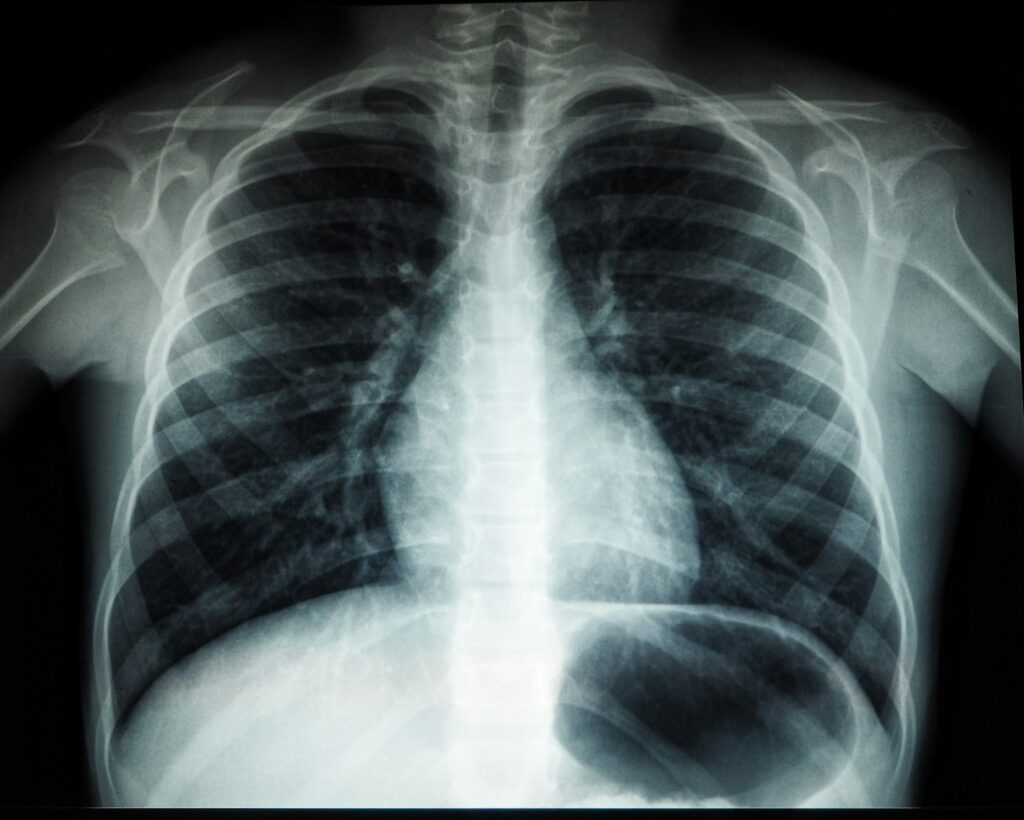
Radiography is useful to confirm fractures, evaluate misalignments or bone deformities, and observe degenerative changes that affect the anatomy of the spine or surrounding joints. It is quick, generally available, and involves a dose of radiation that, although minimal, is considered when the benefits outweigh the risks. In chiropractic, radiography can help understand the position of the vertebrae, the alignment of the spine, and bone changes that may influence conservative treatment.
“The image shows bone structures and alignment, but is not capable of explaining the cause of pain alone. Clinical evaluation remains essential.”
It is important to note that radiography has limitations. Soft tissues like intervertebral discs, ligaments, and nerves do not appear with much clarity, which means that normal findings do not exclude disc problems or nerve compression. Therefore, the decision to request a radiograph usually depends on warning signs, a history of significant trauma, or suspicion of conditions that affect the bone or joint. To learn more about how radiography works and what it reveals, consult specialized radiology sources, such as official information on veterinary and human radiology available online.
What the Magnetic resonance actually shows and when to use (RM)
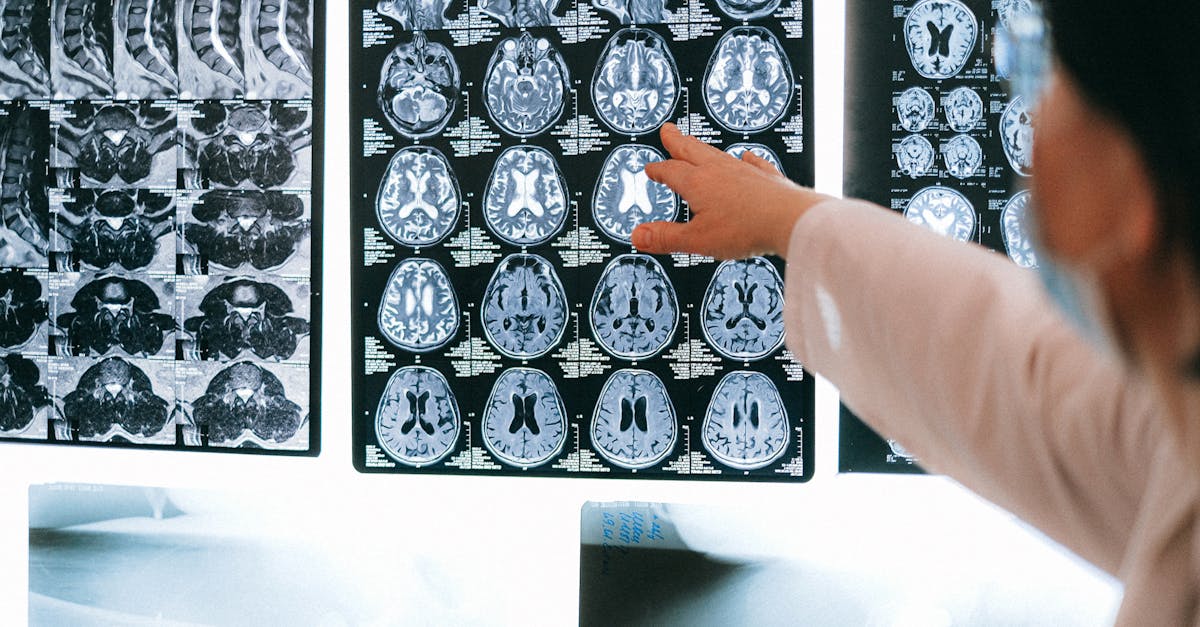
Magnetic resonance imaging offers a detailed view of soft tissues, including discs, nerves, muscles, ligaments, and the spinal canal. It is especially useful when there is suspicion of a herniated disc, nerve compression that causes sciatic pain, or post-traumatic changes that do not appear on the radiograph. The MRI does not use ionizing radiation and can provide crucial information to guide non-surgical treatment options or the need for a more specific intervention. In many cases, the MRI is requested when the clinical picture suggests involvement of soft structures that are not well visualized by radiography.
“Image results must be interpreted in the context of history, symptoms, and physical exam; the MRI is just one piece of the puzzle.”
To better understand how the MRI works and when it is indicated, it is worth consulting specialized sources on magnetic resonance, which explain everything from preparation to image interpretation. In particular, usage and safety guidelines help decide if the MRI is the right exam for your case, considering aspects like implants, care packages, and contraindications.
When to avoid or delay imaging and warning signs
Not every back or neck pain requires routine imaging. In many cases, imaging can be delayed if the clinical evaluation indicates that the condition is compatible with simple mechanical pain, without alarm signs. Delaying imaging can reduce unnecessary exposure and avoid excessive investigation. However, certain signs require immediate attention, as they may indicate conditions that require urgent care. Recognizing these signs helps to seek proper guidance without delays.
“Images are useful when they add information that changes the treatment plan; otherwise, clinical management can already offer relief and support.”
Seek immediate care if signs appear such as sudden and very intense pain with progressive weakness, numbness that does not subside, loss of bladder or bowel control, high fever with lower back pain, severe stiffness after trauma, or rapid worsening of symptoms. In situations such as pregnancy complicating lower back pain or suspected systemic diseases, the clinical team can adjust the need for imaging based on patient safety and the clinical hypothesis.
Practical steps to understand the image
Below are practical steps for you to prepare, understand what you are reading, and participate actively in care decisions. The goal is to make communication with your health professional clearer and the treatment plan more aligned with your needs.
- Talk to the professional about whether the image is indicated at this moment based on your clinical evaluation
- Ask for simple explanations of what the report is saying and which structures were evaluated.
- Inform about medical implants, pacemakers, claustrophobia, or allergies to contrasts, if any, before the MRI.
- Evaluate if the image can really change the treatment planned for your case.
- Discuss treatment options without image when appropriate, such as exercises, gentle adjustments, and guided stretching.
- Check if there is a need for image repetition in the short term based on the evolution of symptoms.
- Question about the quality of the image and if the report describes the limitations of the exam with clarity.
Still within this section, I used a quick checklist to prepare for the consultation and understand the next steps. Check out practical items below to be ready for the conversation with your chiropractor.
- Note down all your symptoms, including time, intensity, and factors that increase or relieve pain.
- List previous treatments and what worked or did not for you.
- Bring history of injuries, traumas, or recent accidents. Inform medications in use and use of supplements or herbal remedies.
- Prepare simple questions about indication, benefit, and limitations of the image.
- Keep previous results or exams for comparison.
- Be open to discussing favoring of conservative management options before any additional image.
- Plan the week’s logistics to facilitate return and re-evaluation appointments.
Next steps with Family Chiropractic of Clark
At Family Chiropractic of Clark, the approach is patient-centered and prioritizes conservative options when appropriate. Before any decision about images, the team performs a careful clinical evaluation, discusses treatment goals, and explains how each exam can contribute to your care plan. If the image is indicated, you will have clear guidance on what to expect, what information the report will bring, and how this will influence the next phases of treatment.
If you are in Clark NJ or Manhattan NY, schedule a conversation with a team that values informed decisions, patient comfort, and a safe care trajectory. The goal is to support your mobility, reduce pain, and improve quality of life through well-directed conservative care strategies. Contact Family Chiropractic to discuss if imaging is suitable for your condition and how we can monitor your recovery in a practical and respectful way.