Choosing the right information can feel overwhelming when you’re trying to understand spine conditions. This guide is for people in Clark, NJ and Manhattan, NY who want a calm, practical explanation about spondylolisthesis and spondylosis from a trusted source. If you’re seeking guidance from a chiropractor in Clark NJ, you’ll learn what each condition means, how doctors tell them apart, and what conservative care may look like in everyday life.
Both conditions involve the bones and joints of the spine, but they arise from different processes. Spondylolisthesis is a slip of one vertebra forward over the one below it, which can affect nerve roots and cause leg symptoms. Spondylosis describes degenerative changes that develop over time due to wear and tear, often leading to stiffness and reduced motion. You’ll discover typical symptoms, how imaging helps with diagnosis, and how a family chiropractor can support your pain management without rushing to surgery.
What is Spondylolisthesis?

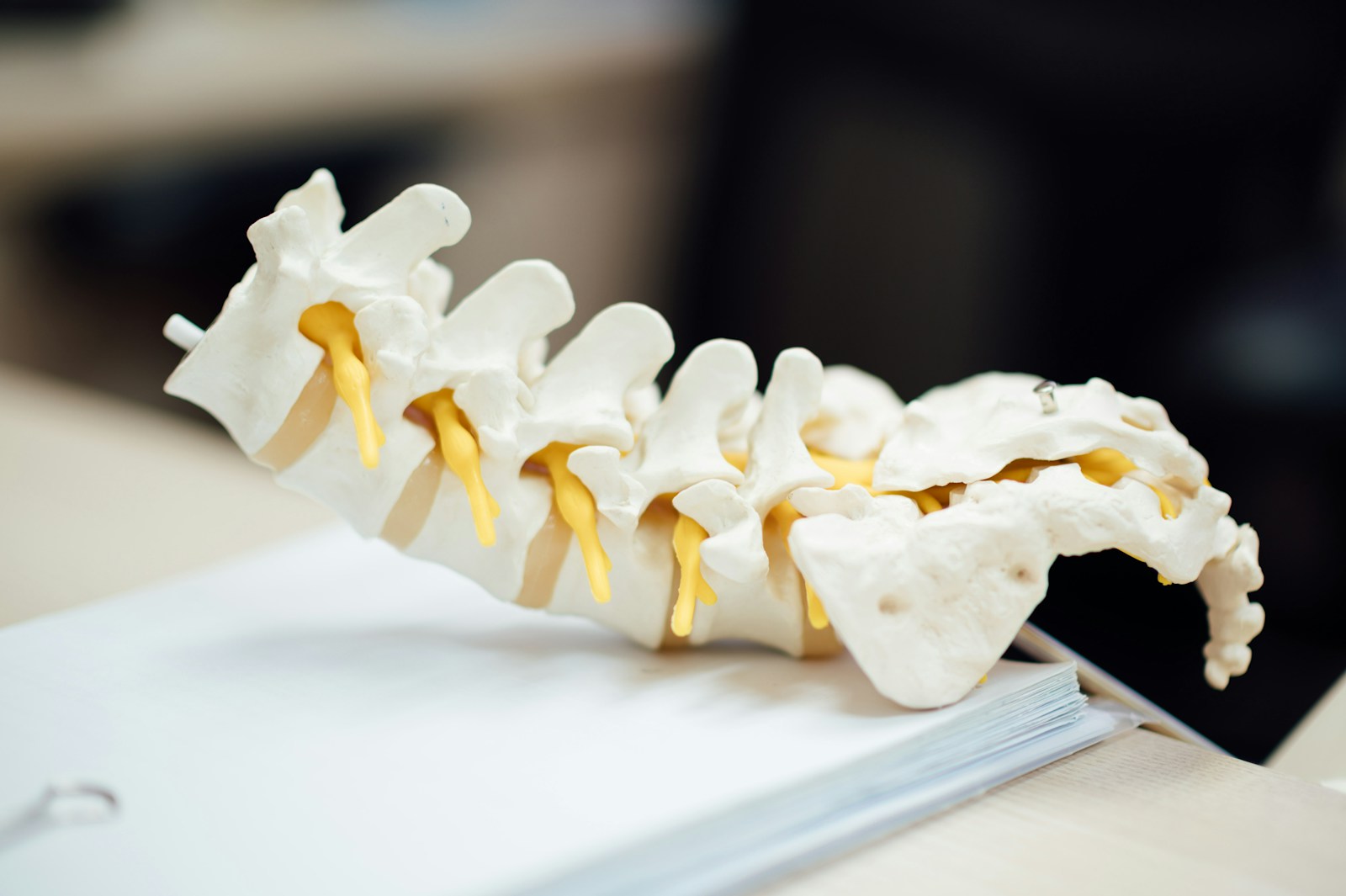
Spondylolisthesis occurs when a vertebra slides forward relative to the bone below it. This forward shift can compress nerves and cause low back pain, leg pain, or a feeling of weakness in the muscles that extend down the leg. It most commonly affects the lower back, though it can occur in the neck. Several factors can contribute, including age-related changes, stress fractures in athletes, or conditions that loosen spinal stability. For a concise overview, you can explore reputable details at Mayo Clinic.
“A thorough clinical exam combined with imaging helps distinguish a slip in the spine from other sources of back pain, guiding conservative care before considering more invasive steps.”
What is Spondylosis?

Spondylosis is a broad term for degenerative changes in the spine that typically occur with age. The discs may lose height, joints can become stiff, and bone spurs may form. These changes can tighten the space for nerves and cause symptoms such as persistent stiffness, aching in the back or neck, and limit range of motion. Unlike spondylolisthesis, spondylosis is less about a single bone slipping and more about gradual structural wear and tear. For an overview that includes imaging considerations, see Spine-Health.
“The goal of management is to preserve function and comfort through movement, posture, and targeted exercises, rather than aggressive interventions.”
Key Differences at a Glance

Understanding how these conditions differ can help you talk with a clinician and decide on the best next steps. The differences are often explained in practical terms: what causes the issue, what symptoms are most common, and how treatment tends to proceed. Your chiropractor in Clark NJ can tailor advice to your daily life—sleep, desk work, walking, and winter activity included—without assuming a one-size-fits-all approach.
- Mechanism: spondylolisthesis involves a vertebral slip; spondylosis involves degenerative wear-and-tear.
- Affected area: spondylolisthesis is frequently seen in specific spinal segments; spondylosis is a broader, age-related change throughout the spine.
- Symptoms: nerve-related leg or arm pain may be more prominent with spondylolisthesis; stiffness and generalized back or neck ache are common with spondylosis.
- Age pattern: spondylolisthesis can occur at various ages, often after a specific event or condition; spondylosis is more common with aging.
- Imaging cues: x-rays may show vertebral slipping in spondylolisthesis; MRI or CT highlights degeneration in spondylosis and can reveal nerve involvement.
- Treatment focus: both conditions often start with conservative care—movement, posture, and gentle therapies—though the emphasis may differ based on symptoms and functional goals.
- When to seek urgent care: red flags like sudden new weakness, numbness, or loss of control of bowel or bladder require urgent evaluation.
To support your understanding, discuss with your clinician the specific signs you notice, including how long symptoms last, what activities worsen or relieve them, and any prior imaging results you’ve had. If you’re in Clark NJ, your chiropractor can help coordinate a plan that respects your daily routine and goals, using evidence-informed, gentle approaches first.
Puts It Into Practice: What to Do Next
Use these practical steps to engage confidently in your care decisions. The following checklist is designed to help you prepare for a first visit and ongoing management with a conservative approach.
- Note the onset of symptoms and any recent injuries or changes in activity.
- Record where the pain is, whether it travels, and if there are numbness or weakness patterns.
- Track morning stiffness and how it improves with movement.
- Assess your daily posture—sitting, standing, and lifting tasks—and identify triggers.
- Monitor sleep quality and how pain affects rest.
- Observe balance, gait, and the ease of walking short distances.
- Review prior imaging or notes from previous doctors or chiropractors.
- Ask about safe, gentle movements, posture tips, and home exercise options.
- Know red flags that require urgent care: sudden weakness, loss of bladder or bowel control, or severe trauma.
Next Steps with Family Chiropractic of Clark
If you live in Clark NJ or commute from Manhattan, starting with a personalized, conservative evaluation is a sensible first step. A licensed chiropractor can help you interpret symptoms, discuss realistic goals, and outline a plan that emphasizes functional improvements—without promising instant relief. Schedule a consultation to review your history, discuss imaging findings, and determine whether a gentle adjustment or a low-force approach may fit your needs. For ongoing support, consider making chiropractic care part of your spine health strategy.