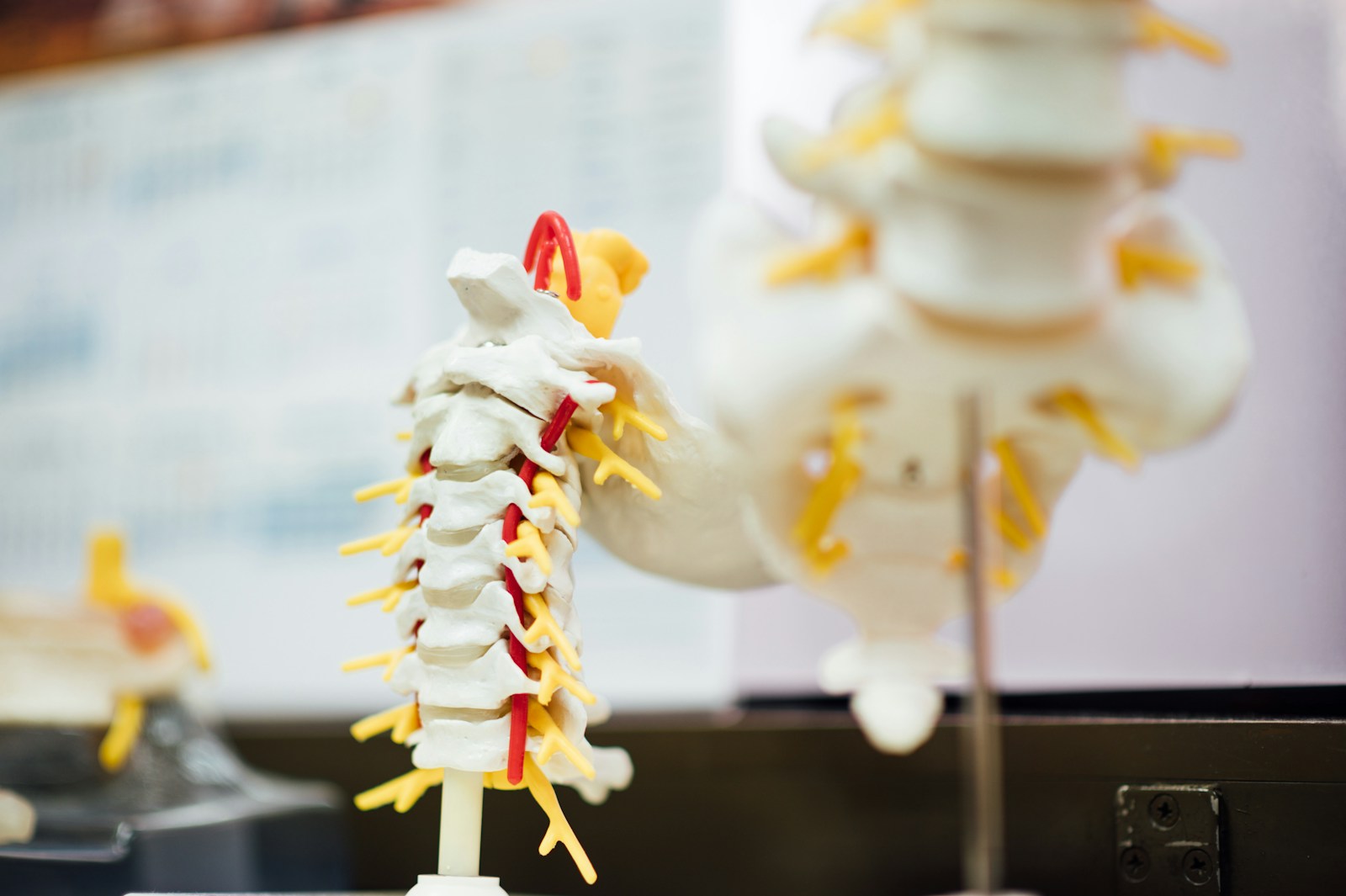
Whether you’re dealing with a sharp, shooting pain that travels from the lower back into the buttock or leg, or you notice numbness, tingling, or weakness with movement, sciatic nerve pain—often called sciatica—is a common concern. This article is written for people in Clark NJ and Manhattan NY who want clear, practical guidance on what causes sciatic pain, what might trigger flare-ups, and safe home strategies you can try today. If you’re near Clark, considering a visit to a chiropractor in Clark NJ can be a helpful step toward understanding your options.
Understanding sciatic pain starts with the nerve’s route: the sciatic nerve runs from the lower spine through the hips and buttocks and down each leg. When this nerve is irritated or compressed, signals can radiate along the leg, sometimes with numbness or weakness. This guide outlines the most common causes and triggers, practical home remedies, and how a conservative approach—such as gentle adjustments, posture work, and gradual activity—fits into a broader plan. If you live in Clark NJ or Manhattan, you may find it useful to talk with a chiropractor in Clark NJ about your symptoms and goals.
How a chiropractor in Clark NJ Approaches Sciatic Pain

In a typical first step, a family chiropractor will listen to your story, assess posture and movement, and perform simple tests to identify possible nerve involvement. The aim is to distinguish leg pain from back pain and to understand what aggravates or relieves your symptoms. Treatments are tailored and may include gentle mobilization, soft tissue work, mobility coaching, and advice on safe activities. The emphasis is on comfort and safety, with options that respect your pace and preferences. For more information on sciatica, see the NINDS overview.
“A careful evaluation that looks at the whole spine and hips helps determine whether sciatic symptoms stem from nerve irritation, muscle tension, or a joint issue.”
Source: NINDS Sciatica Information.
Common Causes and Triggers
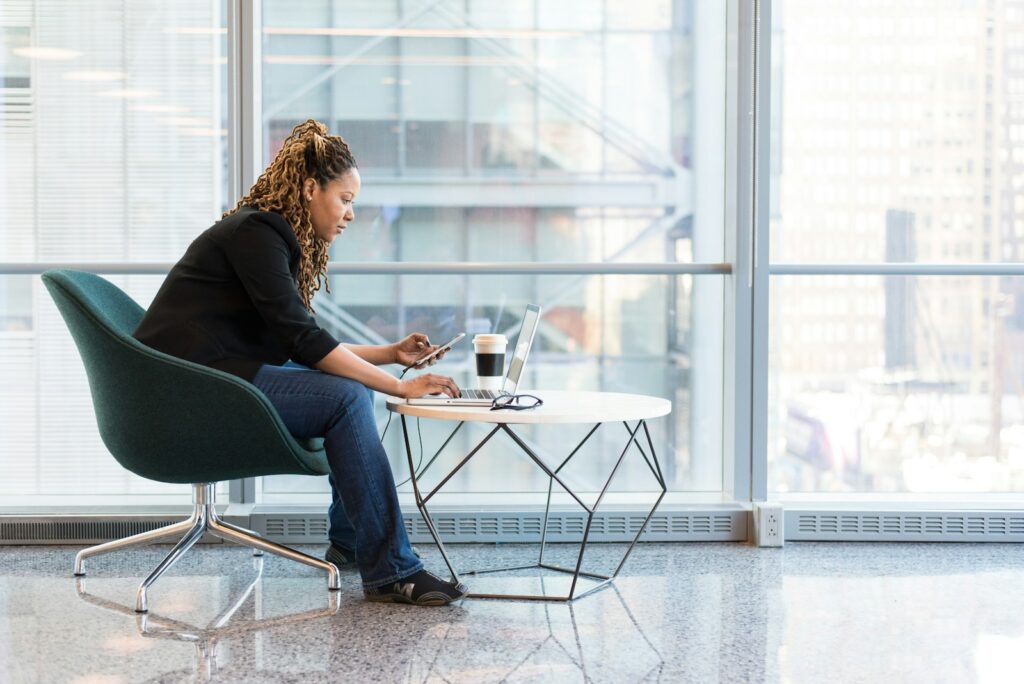
Symptoms often arise from issues in the lower spine or surrounding muscles, such as a herniated disc, spinal stenosis, or piriformis syndrome. Repetitive twisting, heavy lifting, or sudden strain can irritate the nerve. Prolonged sitting, especially with poor posture or a hard chair, can intensify symptoms. Pregnancy and weight gain can also contribute to sciatic pain through changes in posture and pressure in the pelvis. Red flags like progressive leg weakness, numbness, or changes in bowel or bladder control require urgent medical attention. For a broader view, you can consult credible resources such as NIH.
“Sciatic pain often responds to conservative care and gradual activity, with improvement timelines varying by person and circumstance.”
Evidence-Based Home Remedies You Can Try

Simple, first-line strategies can help ease nerve irritation and improve mobility. Start slowly, avoid activities that sharply worsen pain, and listen to your body. If symptoms persist beyond a few weeks or worsen, seek an in-person evaluation with a chiropractor in Clark NJ or a primary care clinician. The following steps combine gentle movement, posture support, and self-care you can try this week.
- Gentle stretches for the lower back, hips, and hamstrings (examples: knee-to-chest stretch, seated piriformis stretch) performed slowly and within a comfortable range.
- Short, regular walks and low-impact activity to keep the spine and nerves moving without excessive strain.
- Heat and cold therapy: apply an ice pack for 10–15 minutes during a flare, then switch to warmth to relax muscles if swelling is minimal.
- Posture and ergonomics: adjust your chair height, desk setup, and laptop/monitor position to maintain a neutral spine and reduce pressure on the lower back.
- Sleep posture and support: use a pillow between the knees or under the hips to maintain a gentle tilt in the pelvis and reduce nerve irritation during rest.
- Gradual core and hip strengthening as tolerated, focusing on stability and alignment rather than brute force.
- Hydration and balanced nutrition to support tissue health and recovery.
- Avoid prolonged sitting or activities that trigger sharp pain; pace yourself and progress gradually as tolerated.
- Stand up and move for a few minutes every 30–60 minutes at work.
- Incorporate the recommended stretches into your daily routine—morning and evening.
- Use a chair with proper lumbar support; consider a standing desk option if available.
- Apply ice or heat as advised by a clinician, especially during flare-ups.
- Maintain a comfortable sleep setup with supportive mattress and pillows.
- Keep physically active within your tolerance to avoid stiffness.
- Avoid heavy lifting or twisting motions that aggravate symptoms.
- Reassess symptoms weekly and seek professional guidance if there’s no improvement.
When to See a Professional and What to Expect at Your First Visit
While many cases improve with home care, seek professional evaluation sooner if you experience persistent pain lasting more than a few weeks, progressive weakness in the leg, numbness, severe or sudden pain after an injury, or changes in bowel or bladder function. If you’re in Clark NJ or Manhattan, a conservative approach from a chiropractor in Clark NJ can help assess and guide treatment options tailored to your needs. In your first visit, you can expect a detailed history, a gentle physical exam, and discussion of goals, followed by a plan that may include gentle adjustments, education, and prescribed exercises.
“Your first visit should feel informative, collaborative, and focused on what you can control—movement, posture, and gradual progress.”
For further guidance on safe care, see credible resources such as NINDS Sciatica Information.
If you’re experiencing sciatic-like symptoms in Clark NJ or Manhattan and you want a patient-centered, conservative plan, consider scheduling a visit with Family Chiropractic of Clark. We focus on comfort, safety, and practical strategies that fit your week—sleep, desk work, caregiving, and activities you enjoy.