Kyphosis and hyperkyphosis refer to how the upper spine curves forward, and they’re common concerns for adults who notice a hump or stiffness along the mid to upper back. This article is for patients in Clark, NJ and Manhattan, NY who want to understand what causes a “hump” and learn practical, conservative steps that may help improve posture, mobility, and comfort. If you’re seeking guidance from a chiropractor in Clark NJ who emphasizes gentle, evidence-informed care, you’ll find clear, actionable information here. You’ll learn what to look for, how to approach correction safely, and when to seek professional help.
Kyphosis describes the natural outward curve of the upper spine, while hyperkyphosis means that curve is more pronounced than usual. A hump near the base of the neck or across the upper back can result from a combination of posture, muscle balance, bone health, and daily habits. This guide focuses on practical, non-surgical strategies—tailored to your routine, whether you sit at a desk, stand for long shifts, or stay active with walking, lifting, and family life. Always start with a professional assessment to confirm the cause and determine the safest plan for you.
Understanding Kyphosis and Hyperkyphosis
“A healthy spine needs balance: a gentle natural curve that supports movement, not a rigid, painful posture.”
In most adults, a mild curve is normal and helps absorb shock during daily activities. When the curve becomes noticeably steeper, it’s called hyperkyphosis, and it may contribute to a visible hump, forward head posture, and limited mobility. Causes can include muscle weakness, tight chest muscles, degenerative changes in the spine, osteoporosis-related changes, or a combination of these factors. The goal of care is to support a sustainable, comfortable alignment rather than forcing a single “perfect” position. For readers seeking context, reputable sources describe kyphotic changes as often multifactorial and influenced by lifestyle and aging. See trusted health sources for broader explanations of kyphosis and movement science.
Causes and Risk Factors
“Posture habits, aging, and underlying bone or muscle conditions can shift how you carry yourself over time.”
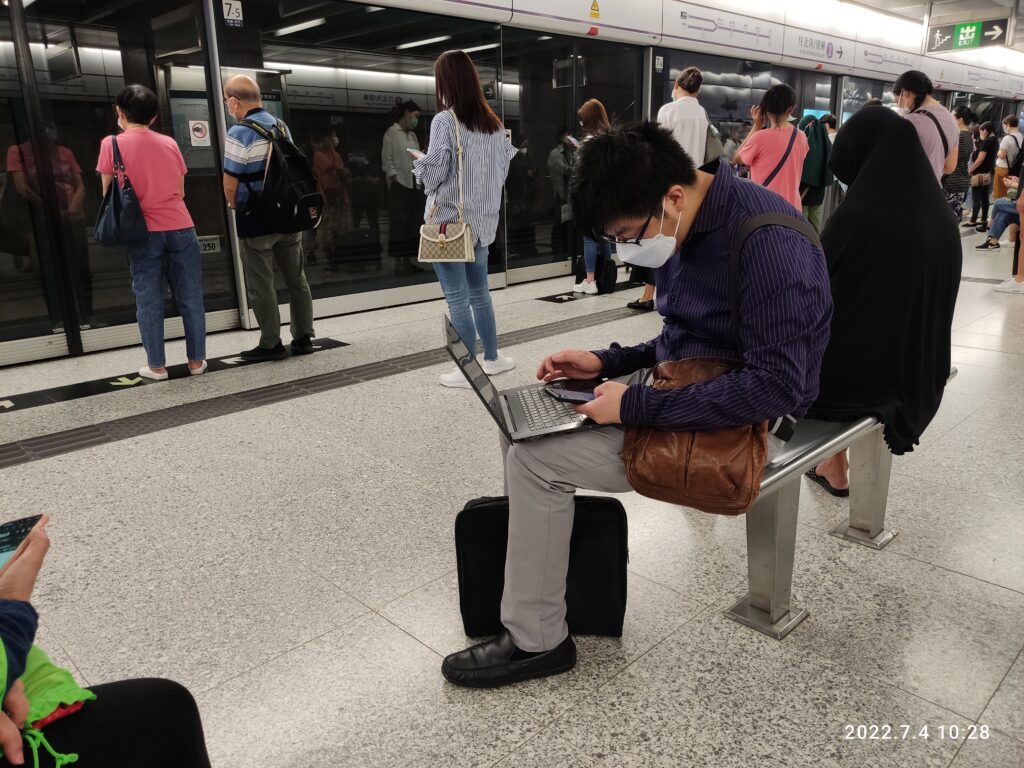
Lots of factors can contribute to kyphosis or hyperkyphosis. Common ones include extended periods of poor posture (slouching at a desk or in a phone-forward position), aging-related changes in bone density or joint health, and Muscle imbalances that pull the spine forward. Degenerative disc disease, osteoporosis, or previous spinal injuries can also play a role. Less obvious contributors include lifestyle patterns, reduced physical activity, and occupations that require repetitive lifting or sustained forward bending. Red flags warranting urgent care include numbness or weakness in arms or legs, loss of bowel or bladder control, fever with back pain, or a sudden severe trauma-related onset of symptoms. For ongoing education about spine health, see credible medical resources on kyphosis and posture.
Managing and Correcting the Curve

“Gentle, consistent movement and a personalized plan are safer and more effective than one-size-fits-all solutions.”
- Schedule a comprehensive assessment with a chiropractor in Clark NJ to understand your specific curve and any contributing factors.
- Develop a personalized exercise plan that emphasizes thoracic extension, upper back mobility, and scapular stability.
- Incorporate regular posture checks throughout the day and practice ergonomic workstation setups to support alignment.
- Engage in light aerobic activity combined with targeted strengthening for the back and core to improve overall support.
- Adjust sleep and daily habits to optimize spinal support, such as choosing a supportive pillow and mattress and avoiding prolonged forward bending.
- Consider gentle manual therapy or non-force adjustment options as recommended by your clinician to reduce stiffness without discomfort.
- Commit to regular follow-up visits to track progress, refine exercises, and adjust treatment as needed.
- Stay alert for red-flag changes and communicate new or worsened symptoms promptly to your care team.
- Rate of activity progression should feel manageable and pain-free.
- Posture reminders should fit naturally into your daily routine, not feel burdensome.
- Home exercise sessions should be brief and consistent, not exhausting.
- Ergonomic changes should be practical for work, home, and commute.
- Breathing and relaxation techniques can support posture and reduce muscle tension.
- Equipment choices (chairs, desks, supports) should be appropriate for your height and tasks.
- Nutrition and bone-healthy habits can complement spine care when advised by your provider.
- Progress should be reviewed with your clinician and adjusted as needed.
- Safety always comes first; stop any activity that increases sharp or radiating pain.
What to Expect at Your First Visit and Next Steps
During your initial visit, a clinician will take a careful history, observe your posture, and perform a gentle examination of the spine and surrounding muscles. You may receive a few movement tests to gauge range of motion and identify areas of limitation. If imaging or further assessment is needed, your chiropractor will explain the rationale and obtain your consent before proceeding. The goal is to discuss a realistic plan that fits your life—whether that means gentle adjustments, a home exercise program, or ergonomic coaching—without promising instant relief.
As part of conservative care, you’ll learn practical steps you can start today, such as mindful posture checks, simple stretches, and daily habits that support spinal health. Red flags and urgent-care criteria will be reviewed so you know when to seek immediate medical attention. For ongoing education and guidance, see reputable health resources on spine health and posture maintenance, and consider scheduling a follow-up visit to evaluate progress together.
“Small, steady changes often bring meaningful improvements over time when they’re guided by a trained professional.”
Ready to explore options tailored to your body and routine? If you’re in Clark NJ or nearby, a visit to Family Chiropractic of Clark can help you understand your spine more clearly and decide on a safe, effective plan. If you notice any red flags or sudden worsening of symptoms, contact a healthcare provider promptly. For more information on kyphosis and posture, you can consult reputable sources such as Mayo Clinic’s overview of kyphosis and posture guidance online.