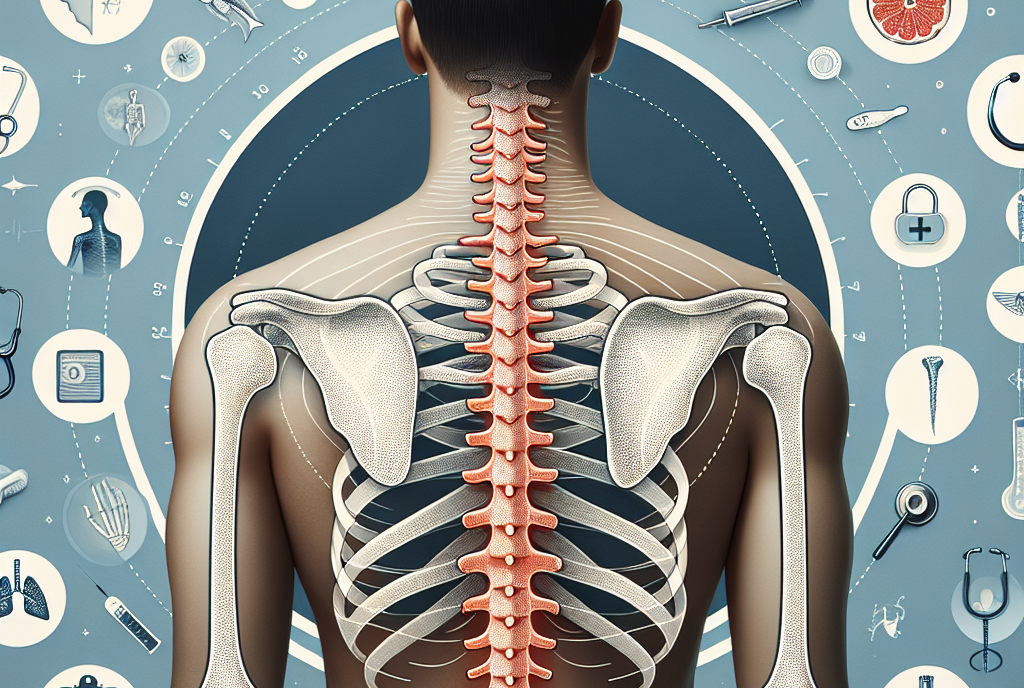
Whether you’re an adult living with a scoliosis diagnosis or a parent navigating a teen’s growing spine, understanding how scoliosis tends to progress in adults versus adolescents can guide daily choices and conversations with your care team. This guide explains typical progression patterns, what kinds of pain are common in each life stage, and practical, conservative strategies that aim to support mobility and function. If you’re in Clark, NJ, you may find it helpful to talk with a chiropractor in Clark NJ who can tailor advice to your schedule and activities.
While every spine is unique, clinicians often consider skeletal maturity, curve magnitude, and lifestyle factors when predicting progression. The goal is to empower you with practical steps and realistic expectations, not promises of quick fixes. This post is designed for patients in Clark NJ and Manhattan NY who want clear guidance on what to expect and how to participate actively in conservative care options like gentle adjustments, targeted exercises, posture training, and routine monitoring. We’ll also note red flags that warrant prompt evaluation and, if helpful, provide links to authoritative resources such as the Scoliosis Research Society.
Progression: adults vs adolescents
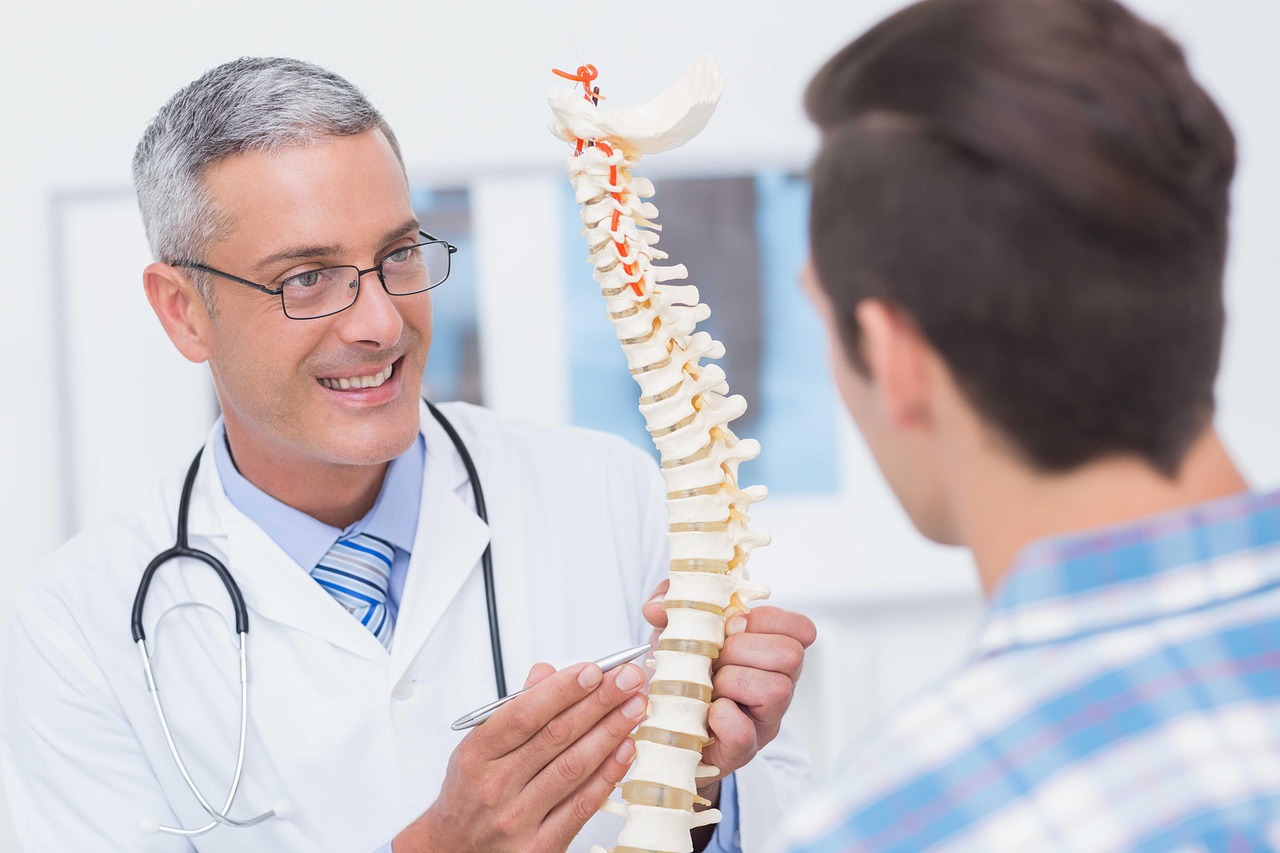
In adolescents, curves can change as the body grows, particularly during puberty. Skeletal maturity plays a big role; the more growth remaining, the greater the chance of progression. The Risser sign is a simple, commonly used indicator of growth potential. For many teens, careful surveillance and early intervention help reduce long-term impact, and some curves stabilize once growth finishes. In adults, progression tends to be slower, but degenerative changes from aging—such as disc or facet joint wear—can cause the curve to shift gradually over years. For a broader perspective, the Scoliosis Research Society emphasizes that age and growth status shape how curves behave over time.
Adolescent progression patterns
During growth spurts, a curvature can worsen if the spine is still developing. Teens with larger curves or curves that are rapidly changing often require closer monitoring and, in some cases, bracing or targeted exercise programs to slow progression. It’s important to remember that not all teens with scoliosis will have significant progression, and many curves remain stable after adulthood begins.
Adult progression factors
In adults, progression is less tied to growth and more linked to how the spine ages. Degenerative changes, muscular imbalances, and activities that place repetitive stress on the back can contribute to gradual curve changes. The overall magnitude of the curve, baseline mobility, and overall spine health influence how pain and function evolve over time. For readers seeking more detail, credible sources note that progression is highly individual and should be tracked over time with your healthcare provider.
“Scoliosis management is highly individual; what helps one person may be different for another, depending on age, activity, and spinal health.”
“Early assessment and a tailored plan can help you maintain mobility and function, even if the curve changes slowly.”
Pain and daily symptoms across life stages

Pain experiences with scoliosis can differ by age. Teens may notice discomfort with long periods of sitting or after sports, but significant persistent back pain is less common in many adolescents. Adults, on the other hand, are more likely to report chronic back pain, stiffness, and fatigue related to the spine’s alignment. Some people also experience headaches or nerve-related symptoms if a curve begins to irritate nearby nerves. For a reliable understanding, see reputable resources from organizations like the Scoliosis Research Society or NICHD.
Adolescent pain patterns
Pain in teens with scoliosis is often activity-related and may improve with rest or targeted exercises. The focus tends to be on posture, core strength, and flexibility to support growth and daily activities such as school, sports, and transportation. It’s common for teens to have episodic discomfort rather than constant pain.
Adult pain patterns
Adults may notice a steadier pattern of back or neck pain, especially with prolonged standing, bending, or heavy lifting. Pain can stem from altered mechanics, muscle imbalances, and degenerative changes in spinal joints or discs. This is where a conservative care plan—combining movement, posture work, and gentle manual therapies—can help improve range of motion and daily function.
Management approaches: conservative care and lifestyle
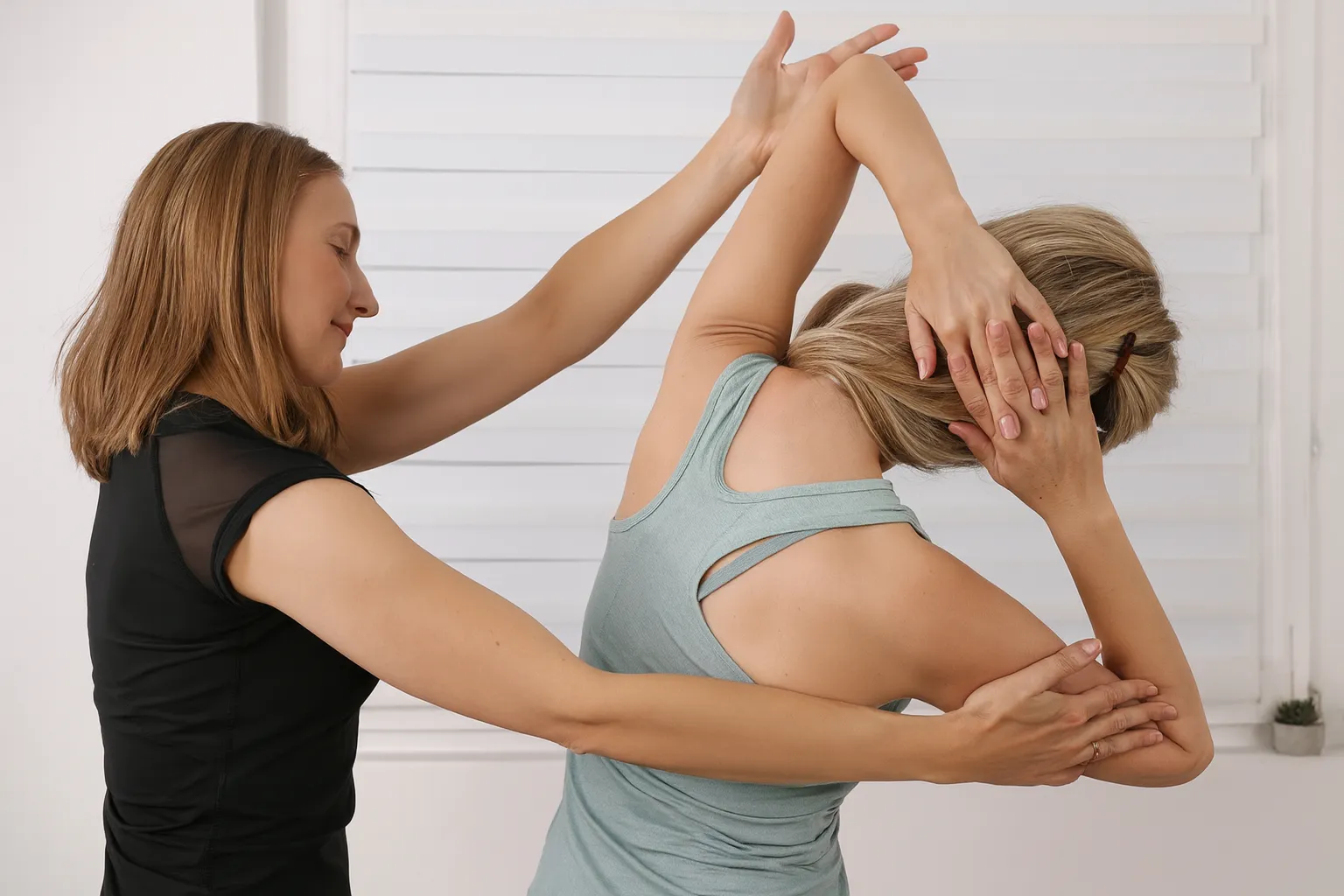
Many people with scoliosis manage symptoms through conservative care that emphasizes movement, strength, posture, and regular monitoring. Bracing remains a common option for growing teens with certain curves, while adults often focus on flexibility, conditioning, and gentle, low-force techniques. For those considering chiropractic involvement, a well-coordinated plan with a licensed clinician can be part of an overall strategy to protect function and quality of life. For evidence-informed guidance, the Scoliosis Research Society and other authorities offer patient resources and treatment considerations.
Exercise and physical therapy
Structured exercise programs—often led by physical therapists or trained chiropractors—toster balance, core strength, and spinal mobility. Gentle, targeted movements can reduce pain, improve posture, and support daily activities. The goal isn’t to “fix” the spine overnight but to support sustainable function and resilience over time.
Bracing and conservative care in adolescence
In growing teens, bracing may slow curve progression for certain magnitudes and patterns. Bracing is typically part of a broader plan that includes physical therapy and periodic evaluation. Adults who wore braces as teens may continue benefit from ongoing posture work and activity modifications rather than bracing alone.
A practical plan you can start today
Putting a plan into action often means small, steady steps that fit your week. The steps below are designed to be approachable and adaptable, whether you’re in Clark NJ or Manhattan NY, and they align with a conservative care mindset that teams frequently use with scoliosis patients.
- Document daily symptoms and how they affect activities like sleep, desk work, and walking.
- Schedule a comprehensive evaluation with a qualified clinician to assess posture, flexibility, and functional goals.
- Discuss imaging decisions and establish a baseline for monitoring curve changes over time.
- Start a supervised, scoliosis-aware exercise program focused on mobility, core stability, and balanced muscle strength.
- Inquire about gentle, low-force chiropractic options that align with your comfort level and goals.
- Set regular follow-up visits to track progress, adjust the plan, and address new concerns.
“A practical, movement-focused plan often helps people stay active and independent without relying on surgical options.”
Remember, this educational material is not a substitute for an in-person clinical evaluation. If you notice new neurological symptoms, rapidly worsening posture, severe night pain, or any red flags, seek prompt care. For readers in Clark NJ, discussing your goals with a licensed chiropractor can help tailor strategies to your daily life and activities. External resources from organizations like the Scoliosis Research Society (SRS) and NICHD (NICHD) can provide additional context about age-related differences in progression and management.
In the end, the curve is just one part of a person’s spine and life. Together with a thoughtful, conservative plan, many people find meaningful support for mobility, comfort, and daily function. If you’d like to discuss personalized strategies for scoliosis care, consider speaking with a local chiropractor in Clark NJ at your earliest convenience.