If you’re dealing with hip pain that limits walking, stairs, or sleep, you’re not alone. Hip bursitis and hip labral tears are two common sources of hip discomfort that can feel similar at first but originate in different structures. Understanding how they differ helps you choose the right next step and avoid unnecessary worry. This article walks you through the basics, helps you recognize typical symptoms, and describes what happens during a clinician visit. It’s written for patients seeking calm, practical guidance from a trusted chiropractor in Clark NJ.
Spreading awareness about bursitis and labral tears helps you become an engaged partner in care. If you’re in Clark NJ and looking for a chiropractor in Clark NJ, this guide is designed to support clear conversations with your care team, a plan you can fit into your week, and practical moves that respect your comfort level and activity goals.
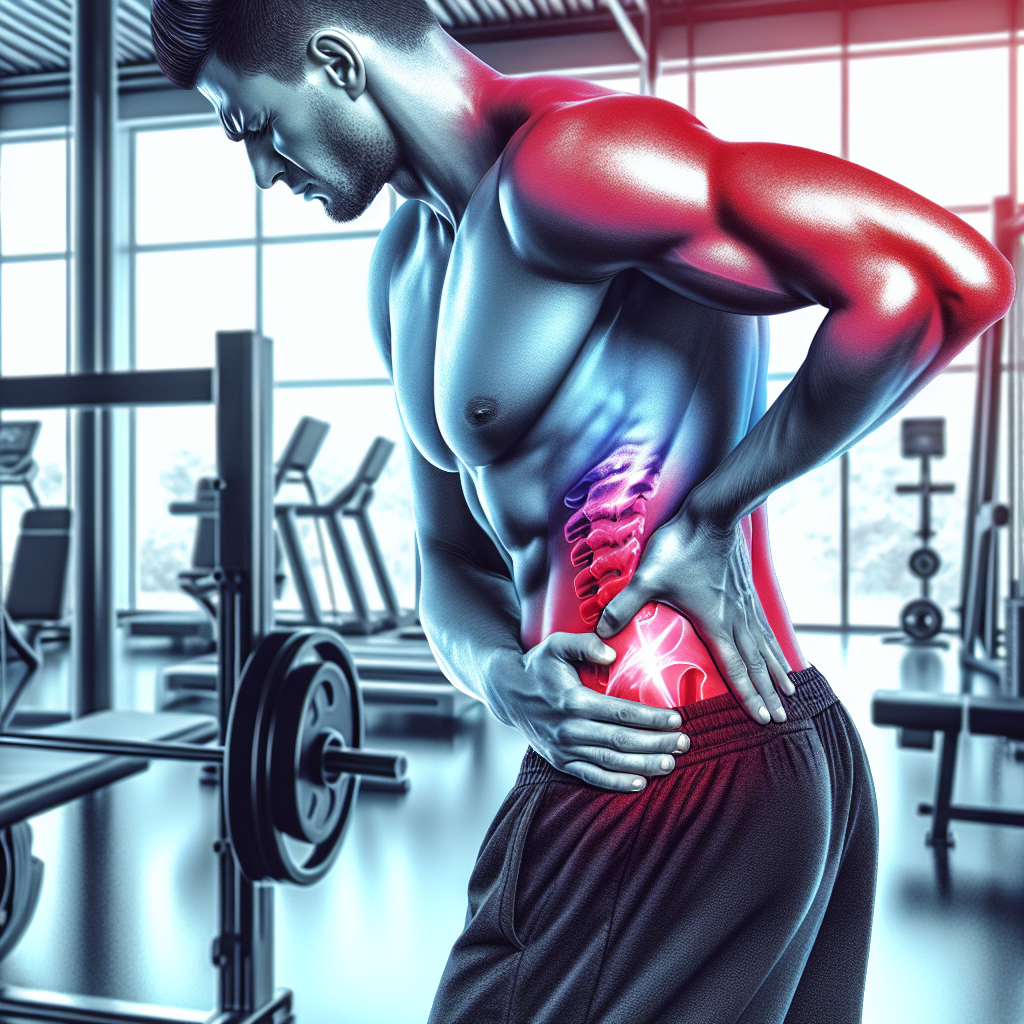
Hip bursitis vs hip labral tears: what’s happening in the hip?
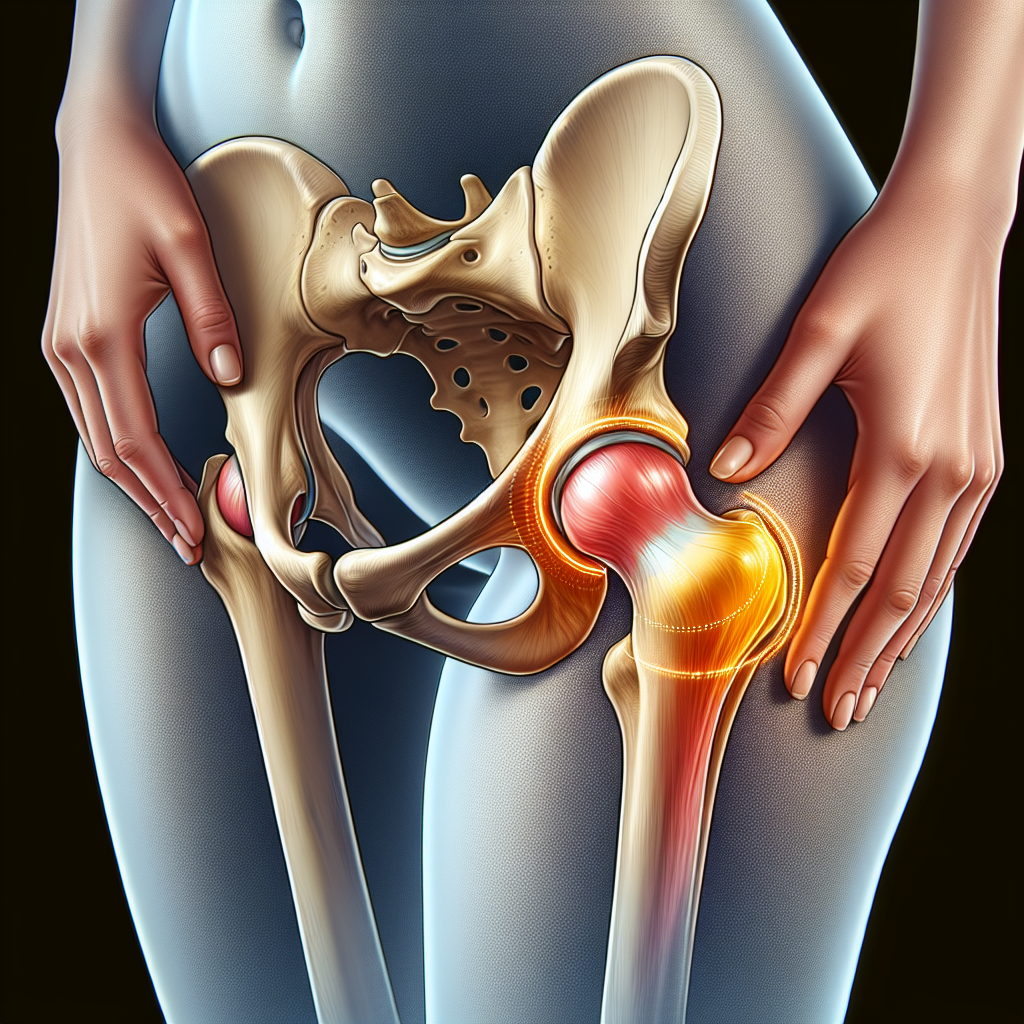
“The hip is a complex joint, and pain alone isn’t enough to know the exact source.”
Bursitis basics
Hip bursitis refers to inflammation of a small fluid-filled sac, called a bursa, that cushions the bones and soft tissues around the hip. Repetitive movements, overuse, or prolonged pressure on the outer hip can irritate this bursa, leading to a localized ache over the outer thigh bone area. You might notice tenderness to touch near the bump at the top of the thigh, and the pain can be aggravated by lying on the affected side or climbing stairs. For many people, rest and gentle, targeted movement help over time, but addressing underlying factors is important.
For more on common bursitis symptoms, you can review information from reputable health sources, and a clinician can help interpret what you’re experiencing in your hip area.
Labral tear basics
A hip labral tear involves the cartilage ring (the labrum) that deepens the hip socket. Tears can cause deep or groin-related hip pain and may be accompanied by a catching, locking, or giving-way sensation during movement. They often arise from a twist or pivot, prior hip joint issues, or structural factors in the joint. Not all labral tears cause noticeable symptoms, and many people benefit from conservative care first. Still, a tear can influence how the joint moves and how it feels during activities like bending, twisting, or crossing your legs.
How hip pain from bursitis and labral tears tends to present
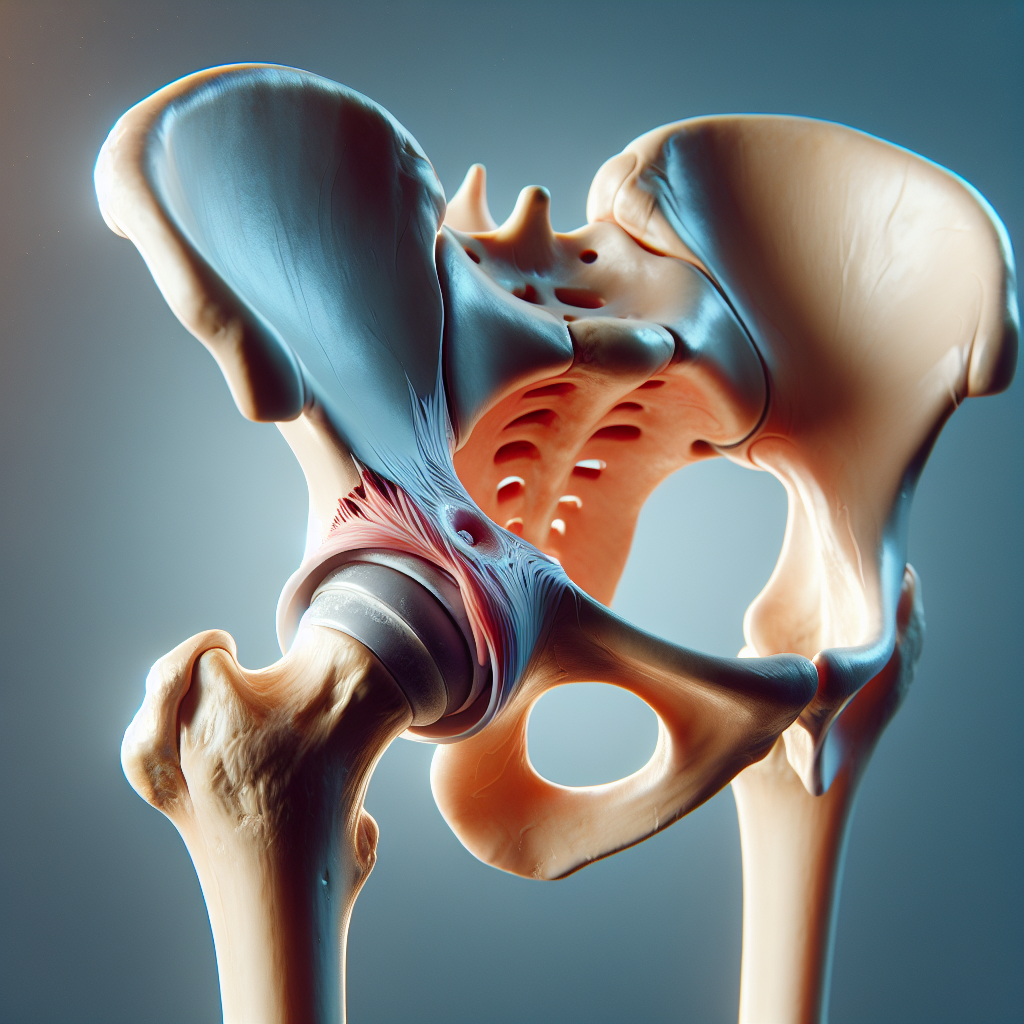
“Where the pain lives and how it changes with movement can be a clue, but the full picture comes from a careful exam.”
Pain location and quality
Bursitis pain most often concentrates on the outer hip, near the greater trochanter, and may feel sharp with activity or a dull, persistent ache with rest. Labral tear pain often centers deeper in the hip or groin and may radiate to the buttock; some people describe a dull ache that worsens with hip rotation or certain positions. Tenderness to palpation over the hip bursa is common with bursitis, while labral tears may be more related to joint movement and timing rather than constant tenderness.
Timing and activity patterns
Hip bursitis tends to be tied to overuse or mechanical loading—pain can flare with stair climbing, standing from a chair, or long walks, and may feel worse after a period of sitting with a tight hip. Labral tears often show up when the hip is moved in a way that compresses or twists the joint—rotation, deep bending, or pivoting can provoke deeper hip or groin pain. It’s common for people with bursitis to notice relief with rest, while labral tear symptoms may persist despite light activity unless addressed with targeted care.
How clinicians differentiate: signs, tests, and imaging
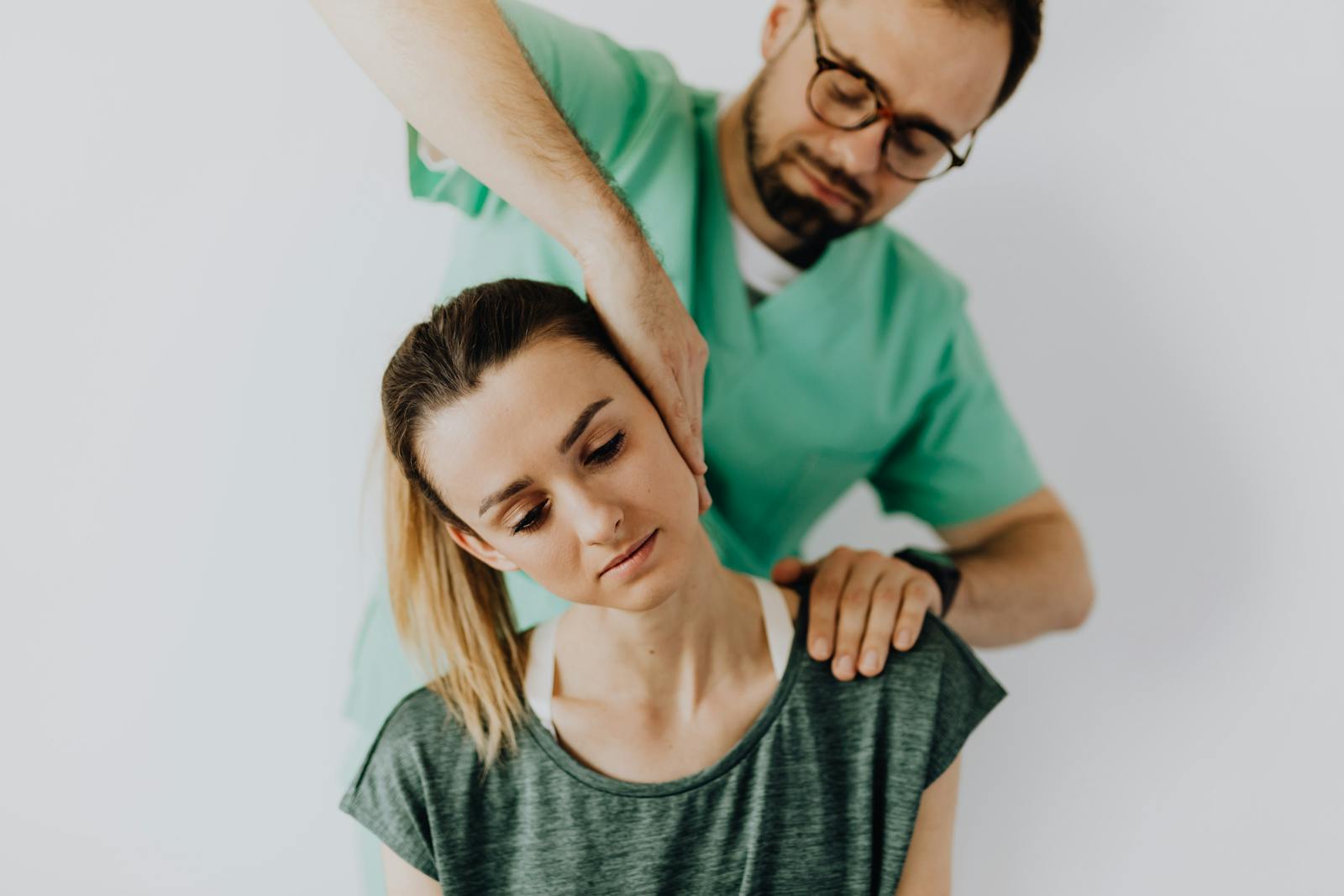
“A thoughtful exam and the right imaging can tell you whether it’s bursitis, a labral tear, or another hip issue.”
During an evaluation, clinicians look for patterns in how your pain behaves, along with physical signs. A chiropractor in Clark NJ can help coordinate the assessment and explain what each finding might mean. Specific tests focus on hip movement, strength, and the way the joint reacts to certain stresses. Imaging, when indicated, helps confirm the diagnosis: X-rays can rule out arthritis or bone-related changes, while MRI is more sensitive for detecting labral tears. Ultrasound may help assess soft tissues around the bursa in some cases. Red flags—such as severe pain with weight bearing, fever, or numbness that accompanies leg symptoms—require prompt urgent care.
Key physical exam maneuvers
Exam maneuvers might include observing how you rotate your hip, how your leg moves while lying down, and whether certain positions reproduce the pain. A labral tear might be suggested by pain with internal rotation and flexion, while bursitis may show focal tenderness and irritation over the outer hip area without the same joint-specific pain pattern. Your clinician will tailor the exam to your history and daily activities, which helps distinguish mechanical hip pain from other potential sources.
Imaging and when it’s helpful
Imaging can clarify unclear cases. An X-ray helps assess bony structures and rule out arthritis, while MRI provides detailed images of soft tissues, including the labrum, cartilage, and surrounding muscles. If pain is persistent or limiting function, imaging can guide decisions about physical therapy, injections, or other conservative options. A chiropractor in Clark NJ can help interpret imaging results in the context of your symptoms and goals.
Red flags and urgent considerations include severe swelling with high fever, inability to bear weight, numbness or weakness in the leg, or new numbness around the groin or thigh. If these occur, seek urgent evaluation rather than waiting for a scheduled visit.
What to do today: practical steps to differentiate and manage your hip pain
“Starting with simple observations and professional guidance often clarifies what’s next.”
- Keep a symptom diary: note when the pain starts, what you were doing, where it hurts, and how it feels (sharp, dull, burning) to help identify patterns.
- Record any mechanical symptoms: does your hip click, pop, lock, or feel unstable during movement?
- Notice how the pain responds to activity and rest: does it improve with gentle movement or worsen with weight-bearing tasks?
- Try gentle, pain-free movements and avoid positions that worsen symptoms; prioritize body-friendly activities like short walks and light stretches as tolerated.
- Apply ice for swelling or warmth during flare-ups and use heat cautiously if it helps after the initial acute phase.
- Schedule a visit with your chiropractor in Clark NJ to discuss exam findings, potential imaging, and a conservative care plan tailored to your hip concerns.
If you experience red flags or symptoms that dramatically worsen, seek urgent care. This article provides educational guidance and is not a substitute for an in-person evaluation. A focused assessment with a clinician can help you decide whether conservative care, targeted physical therapy, or further testing is the best path forward.
Concluding note: understanding the difference between bursitis and a labral tear can empower you to choose care that fits your life—whether that means gentle adjustments, guided exercises, or a plan that gradually improves function and comfort. If you’d like support locally, a trusted chiropractor in Clark NJ can help you interpret symptoms, discuss imaging options, and coordinate a practical, evidence-informed care plan.