
Jaw clicking without cracking can be unsettling, especially if the sound is new or happens during daily activities like talking or chewing. This guide is for adults who experience jaw noise and want gentle, noninvasive options for relief. If you’re looking for a chiropractor in Clark NJ, you’ll find a calm, evidence-informed approach that respects your comfort level and your schedule. You’ll learn what might cause the click, what to try at home, and when it’s wise to seek professional care.
As a chiropractor in Clark NJ, I often see patients who prefer gentle care before anything more involved. Many people notice clicking sounds without pain, which can be reassuring, yet others worry it signals a problem. The jaw joint, or temporomandibular joint (TMJ), can make noises when the jaw moves due to muscle tension, joint wear, or soft tissue changes. Gentle options—done slowly and with awareness—often help reduce noise and improve function without forcing movement. This article outlines practical steps, movement ideas, and how to talk with a clinician about your goals and safety.

What causes jaw clicking without cracking?

“Most clicks come from simple joint mechanics and muscle tension, not a crisis.”
Jaw clicking often arises when the temporomandibular joint moves as you open or close your mouth. The joint has a small disc that helps the jaw glide smoothly; if that disc sits a bit differently or if the muscles around the jaw are tight, you may hear a click without pain. It’s common to notice clicking with activities like chewing, yawning, or talking, particularly if you clench or grind occasionally or if neck and shoulder tension affects jaw posture. The good news is that for many people this sound remains harmless and improves with gentle care.
For general guidance, see TMJ disorder – NHS for an overview of how jaw movement and joint noise can arise and when to seek help.
Gentle, low-force options you can try at home
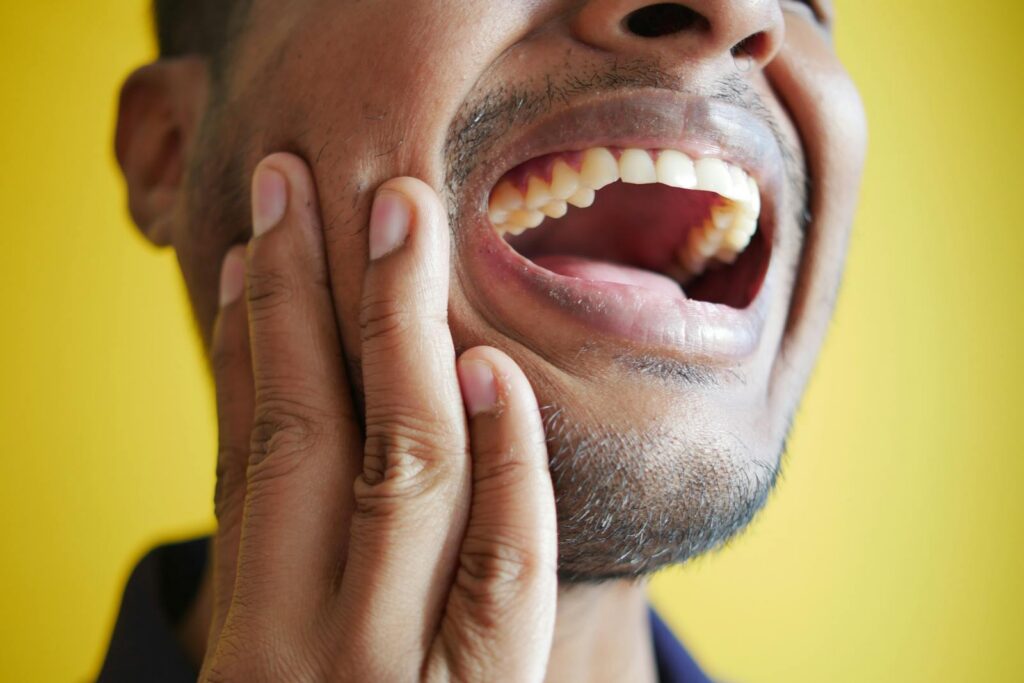
“Starting with small, controlled movements and soft tissue care tends to be reassuring.”
Below are gentle steps you can try. These are commonly suggested by clinicians who emphasize conservative care. They are not a substitute for a clinical evaluation if symptoms worsen, but they may help reduce noise and improve ease of movement over time. Always move within a comfortable range, avoid forcing the jaw, and stop if you experience pain or dizziness.
- Apply a warm or cool compress to the jaw for 5–7 minutes to help relax the muscles, then rest.
- Choose soft foods and chew evenly on both sides to reduce strain on the TMJ.
- When not eating, keep your teeth slightly apart and your lips gently closed to reduce clenching.
- Do gentle jaw mobility moves: with your mouth slightly open, slowly close and then slowly open again within a comfortable range; add small side-to-side movements as tolerated.
- Pay attention to clenching or grinding. If this occurs at night, discuss a nightguard option with a clinician, rather than trying to keep it under control by forceful jaw movements.
- Check your posture: lengthen the spine with shoulders down, and do light neck stretches to ease jaw tension that travels from the neck and upper back.
- Prioritize restful sleep and stress management through breathing exercises or brief mindfulness sessions to reduce muscle tension around the jaw.
What to expect at a professional evaluation
“A clinician will listen to your jaw movement and check symmetry, range of motion, and bite alignment.”
During a first appointment with a chiropractor in Clark NJ or TMJ specialist, you’ll talk about when the noise started, whether pain is present, and how activities affect your jaw. The clinician may check how your neck and posture relate to jaw function, assess your bite and muscle tone, and discuss gentle, low‑force options. Remember, the goal is comfort and gradual improvement, not forcing a crack or pop. You should feel heard and in control of the pace of care.
For further reading on TMJ management strategies, see What is TMJ and what to do about it and TMJ disorder – NHS.
Red flags and when to seek urgent care
“If you notice a sudden inability to open your mouth, severe swelling, fever, or facial weakness, seek urgent care.”
Red flags include sudden jaw locking that prevents eating or speaking, severe facial swelling, intense or rapidly worsening pain, numbness or weakness in the face, or fever with jaw swelling. If you experience any of these symptoms, contact a clinician promptly or go to urgent care or the emergency department. If the noise is occasional, mild, and not accompanied by alarming symptoms, a conservative approach remains reasonable, with professional guidance to ensure it isn’t part of a more serious condition.
Taking a calm, evidence-informed approach can help with jaw clicking without cracking. If you reside in Clark NJ or Manhattan NY, consider talking with a family chiropractor who emphasizes gentle adjustments and practical strategies. Remember, you have options, and choosing a comfortable pace and plan is part of good care. If symptoms change or persist despite home care, seek an in-person evaluation to tailor care to your needs.