Before performing any lifting, review My First Visit guidelines. Improper lifting is a leading cause of low back pain, strains, and disc injuries. Understanding spinal mechanics, proper form, and supportive exercises can help you lift safely and reduce risk....

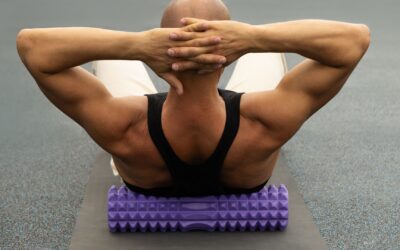
Foam Roller Basics for Mid-Back Tightness
Before using a foam roller, review My First Visit guidelines to ensure safety. Mid-back (thoracic spine) tightness is common, especially for people who sit for long hours, hunch over devices, or perform repetitive upper body activities. A foam roller can be an...
Glute Strength for Low Back Support: Quick Start Guide
Before you begin, review My First Visit guidelines. Strong glute muscles are essential for spinal stability, proper pelvic alignment, and prevention of low back pain. Weak glutes often force the lower back to compensate, which can lead to discomfort, stiffness, or...
Hip Mobility at Home: Three Steps for Daily Relief
Before starting any exercise, especially for hip or lower back concerns, review My First Visit guidelines. The hips play a critical role in supporting the spine, pelvis, and overall posture. Limited hip mobility can lead to back pain, knee strain, and poor functional...
Safe Neck Stretches You Can Do at Your Desk
If you are preparing for My First Visit, you may already know that neck tension is common for desk workers. Long hours at a computer or looking down at devices can strain the cervical spine, shoulders, and upper back. Fortunately, a few simple, safe stretches...
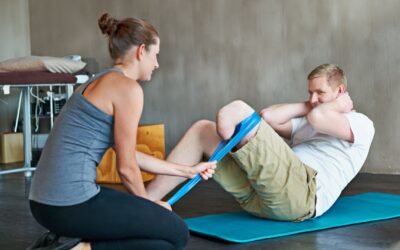
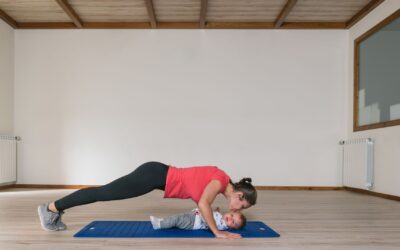
Easy Core Moves for a Stable, Happy Spine
Before starting any exercise routine, especially for your back, it’s wise to review My First Visit guidelines. Chiropractors emphasize the importance of core stability for spinal health. A strong, balanced core supports your spine, reduces pain, and improves posture....