Living with neck pain or numbness that travels into the shoulders or arms can feel confusing and worrying. Cervical spinal stenosis occurs when the spaces around the spinal cord in the neck become narrowed, which can irritate nerves and limit mobility. If you’re seeking conservative, non-surgical guidance, a chiropractor in Clark NJ can help you understand what contributes to this condition and how you might manage symptoms while you explore options. This article covers what cervical spinal stenosis is, common causes, typical signs, and practical, non-surgical strategies that many people find workable in everyday life.
Remember, this information is educational and not a substitute for an in-person evaluation. If you’re wondering what to do next, a chiropractor in Clark NJ can help translate this information into an action plan that fits your daily routine. You’ll learn about how cervical stenosis develops, what symptoms to monitor, and practical non-surgical approaches—such as posture work, gentle movements, physical therapy-inspired exercises, and ergonomic adjustments—that many people find helpful for daily life. If red flags show up, seek urgent care and get a professional assessment.
What Cervical Spinal Stenosis Is

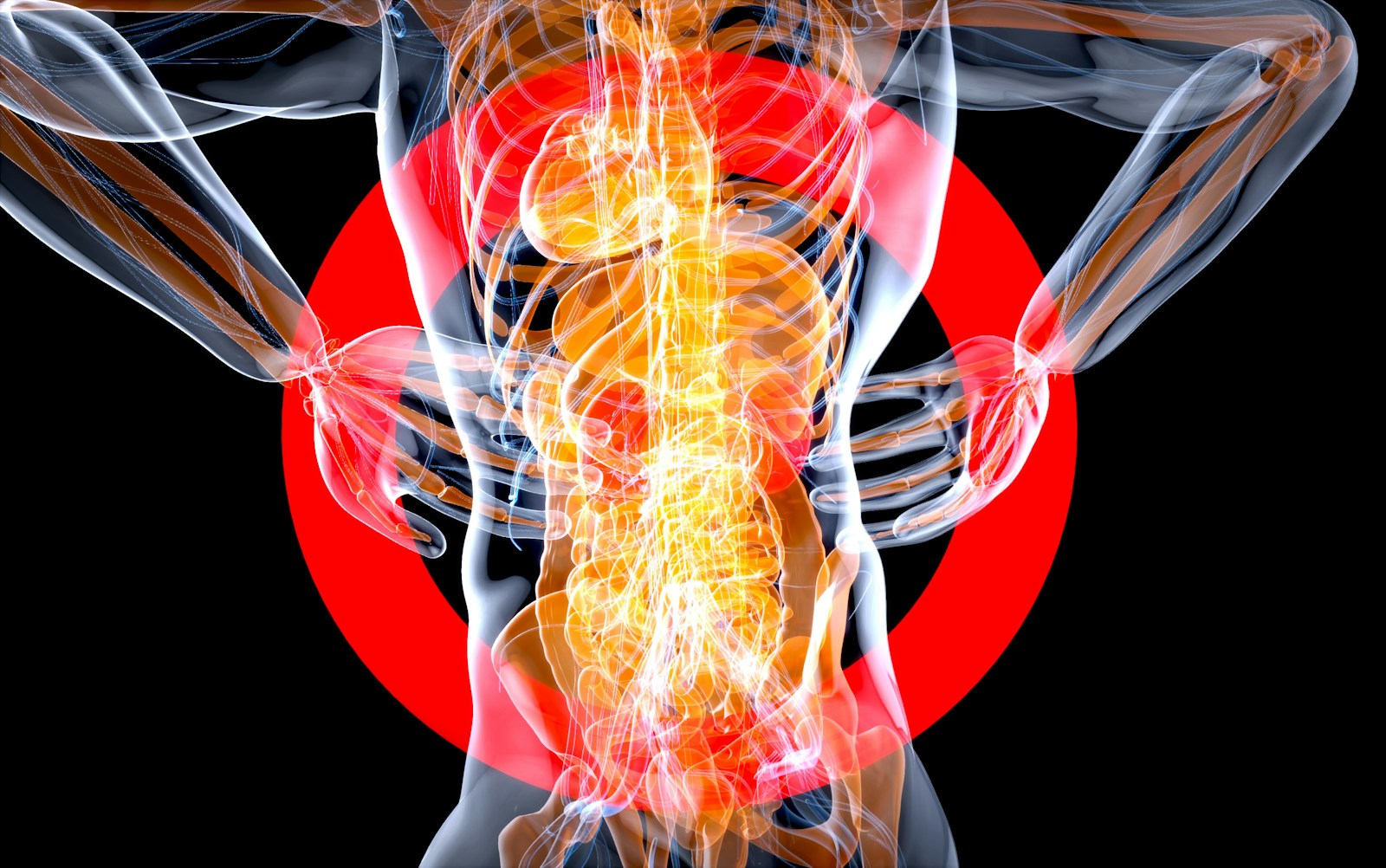
Cervical spinal stenosis means the spinal canal in the neck is narrower than normal, which can compress the spinal cord or exiting nerve roots. This narrowing may result from aging-related changes, bone spurs, herniated discs, or thickening of ligaments that surround the spine. In plain terms, there is less space for nerves to move freely, and that can produce a range of sensations—from mild stiffness to persistent numbness or weakness. For a consumer-friendly overview, see Mayo Clinic: Spinal stenosis.
Conservative care that focuses on movement, posture, and nerve-friendly activities can help many people maintain function and reduce symptoms without surgery.
Causes, Risk Factors, and Diagnosis
Most cases of cervical stenosis arise from degenerative changes that occur with aging. As the spine wears, bone spurs can narrow the canal, discs may bulge or herniate, and ligaments can thicken, further reducing space around the spinal cord. Less commonly, congenital narrowing (present from birth) or prior neck injuries can contribute. Risk factors include advancing age, family history of spine problems, obesity, smoking, and repetitive neck strain from certain occupations or sports. Diagnosis typically involves a history and physical examination, followed by imaging such as magnetic resonance imaging (MRI), computed tomography (CT), or X-ray to identify compressive factors and plan care. See Mayo Clinic overview for details on what doctors look for during evaluation.
In some cases, a clinician may also assess balance, gait, and upper extremity strength to determine if nerve signals are affected. These steps help distinguish cervical stenosis from other sources of neck or arm symptoms and guide a personalized plan that prioritizes safety and function. A careful, non-surgical approach is often appropriate initially, with ongoing monitoring to adjust as needed.
Symptoms and Red Flags

Many people with cervical stenosis notice symptoms that reflect nerve irritation or mild cord involvement. Common presentations include neck discomfort, stiffness, and pain that may radiate into the shoulders or arms. Numbness, tingling, or weakness in the hands and fingers can affect daily tasks like gripping or buttoning clothing. Some individuals experience headaches at the back of the head or changes in balance or coordination, especially with complex movements or walking. Because symptoms vary widely, a tailored assessment is important.
- Neck pain or stiffness that worsens with activity
- Numbness, tingling, or weakness in the arms or hands
- Balance problems, unsteadiness, or difficulty walking
- Occipital headaches or tension at the base of the skull
- Difficulties with fine motor tasks, such as buttoning shirts or writing
Red flags require prompt medical attention: new or rapidly progressive weakness, numbness, poor coordination or balance, or changes in bowel or bladder function.
Non-Surgical Relief: Practical, Evidence-Informed Options
Many people with cervical stenosis find relief through conservative, non-surgical care. The goal is to reduce nerve irritation, improve neck and upper back mobility, restore better posture, and support safer daily activities. A clinician can tailor a plan that aligns with your symptoms, activity level, and goals. The following strategies are commonly used to support function and comfort:
- Confirm a diagnosis and rule out emergencies with a licensed clinician before starting a new program.
- Engage in a guided movement plan focused on neck and upper back mobility, led by a professional familiar with your condition.
- Improve posture and ergonomics at home and work (adjust monitor height, chair support, backpack weight, and sleeping position).
- Incorporate regular low-impact activity, such as brisk walking, stationary cycling, or aquatic exercise, as tolerated.
- Include gentle strengthening for core and postural muscles to support spinal alignment and reduce stress on the neck.
- Perform neck and shoulder stretches slowly and regularly, with care to avoid positions that worsen symptoms; consider nerve glide techniques under supervision if appropriate.
- Apply heat or cold therapy to reduce stiffness or acute discomfort, following professional guidance on duration and frequency.
- Use medications or supplements only as recommended by a clinician, and avoid self-prescribing without formal guidance.
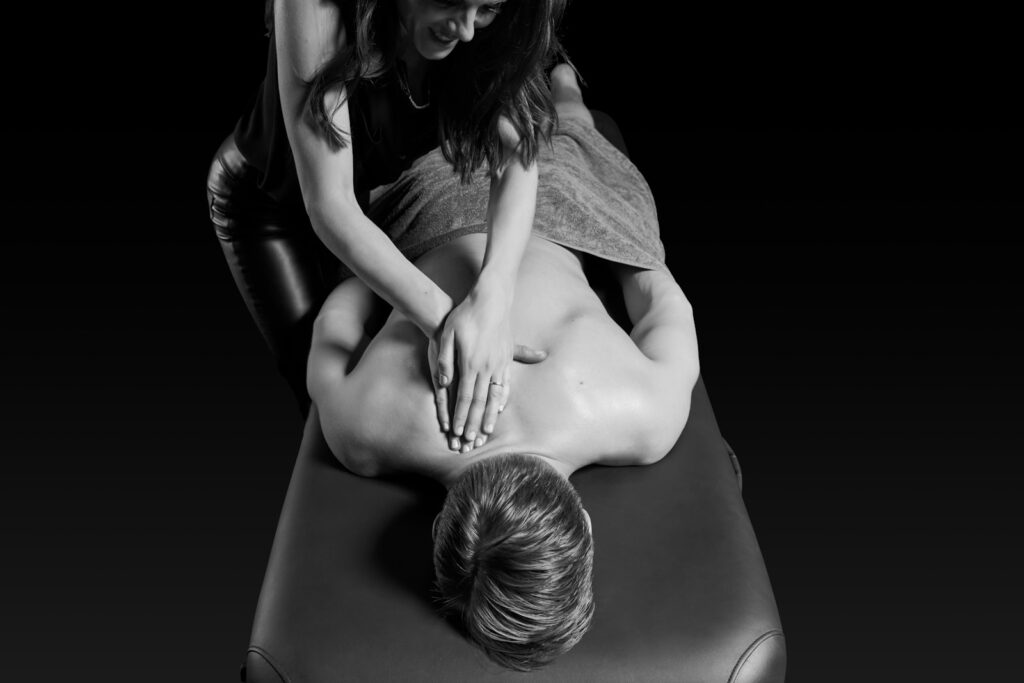
Gentle manual therapies and mobilization may be offered by a clinician as part of a conservative plan. The emphasis is on safe, patient-centered care that respects your tolerance and daily routines. It’s important to monitor response to treatment and adjust activities if symptoms change. For many people, these non-surgical options can help restore function and improve daily living without the risks of surgery.
Taking the Next Step: How to Begin Conservative Care
When you’re ready to explore non-surgical relief, schedule a visit with a licensed provider who can assess neck function, nerve signs, and overall mobility. The first visit typically includes a symptom review, a focused examination, and a plan that may combine gentle adjustments, education on posture, and personalized exercises. For readers in Clark NJ or Manhattan NY, a family chiropractor can coordinate care with your goals, schedule, and daily life. Always follow professional guidance and report any new symptoms promptly. If you’d like to discuss options in your area, consider a consultation with Family Chiropractic of Clark to learn how a conservative, non-surgical approach can support your neck health and daily activities.
If you’re experiencing neck pain or arm symptoms and want tailored guidance, a professional evaluation is the best next step. For additional, credible information on cervical stenosis, you can consult trusted medical sources and discuss findings with your clinician to determine a safe plan tailored to you.