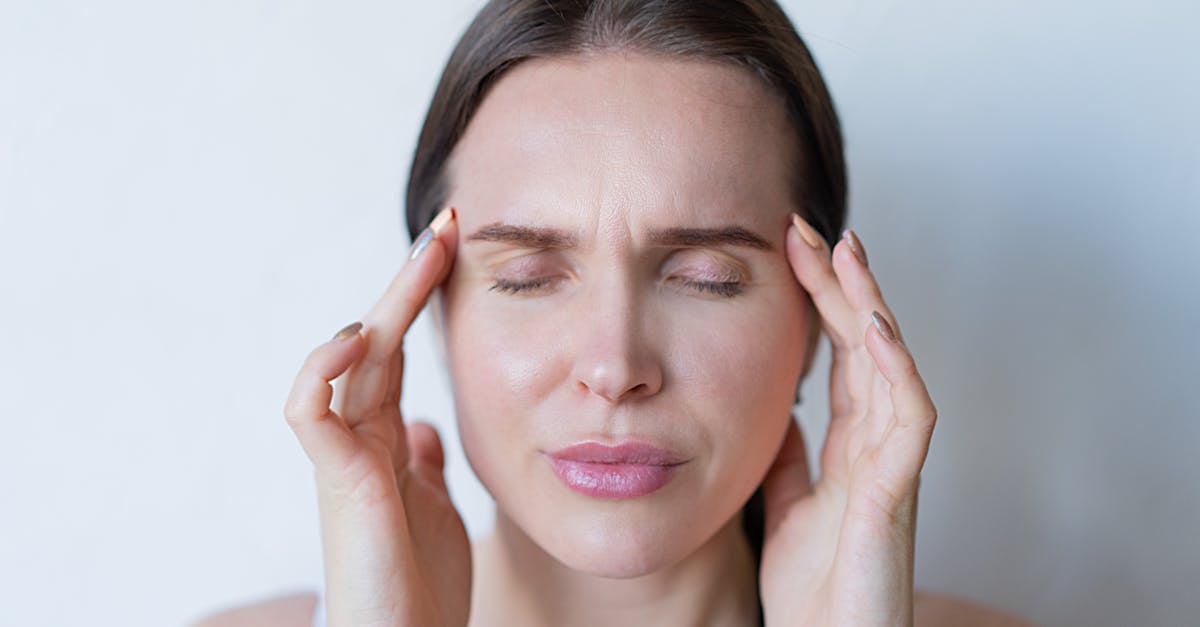
If you’re navigating frequent headaches and live in Clark, NJ or Manhattan, NY, you’re not alone. Cervicogenic headaches and migraines can feel similar but originate from different mechanisms, and that distinction matters for treatment. This article is written for patients seeking conservative, spine‑focused care from a trusted chiropractor in Clark NJ. You’ll learn how clinicians differentiate the two, what to expect at the first visit, and which therapies—especially gentle, low‑force options—often help reduce neck‑related pain and headache frequency.
Knowing the difference also helps you plan your week—sleep, desk work, walking, workouts—without guesswork. We’ll outline hallmark features, common triggers, red flags that require urgent care, and evidence‑informed therapies. This guide emphasizes patient choice, safety, and practical steps you can discuss with your clinician, from posture and movement strategies to cervical‑focused chiropractic care and targeted exercises you can start today.
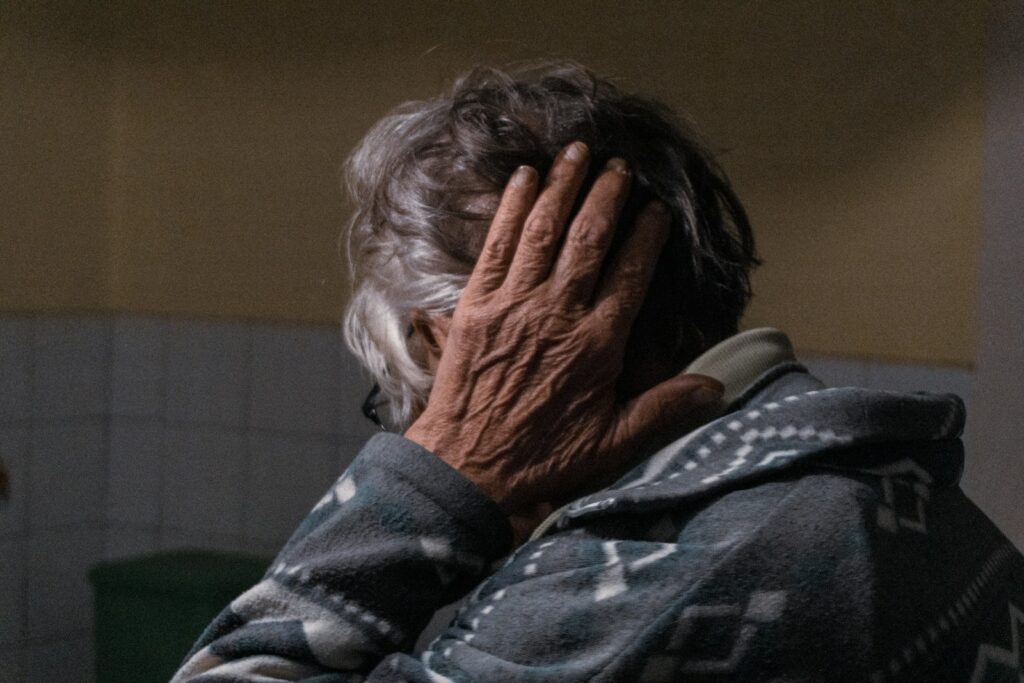
What is cervicogenic headache and how it differs from migraine? A chiropractor in Clark NJ perspective
While both headaches can feel painful, cervicogenic headache is neck-originating and often worsens with neck movement, while migraines are typically neurological with throbbing waves and sensitivity to light or sound.
Cervicogenic headaches arise when pain signals originate from joints and muscles in the upper spine and base of skull. Migraines are more often linked to brain‑based neurological processes and vascular changes. Red flags overlap, but certain clues help clinicians differentiate: timing with neck movements, relief with neck repositioning, and neck stiffness. For context, credible resources describe these patterns in more detail: Mayo Clinic’s cervicogenic headache overview and general migraine features.
How clinicians tell them apart: symptoms, triggers, and exam findings

Key signs start with the pattern of pain and accompanying symptoms: cervicogenic headaches often begin with neck pain and stiffness, while migraines show pulsating head pain with nausea or light sensitivity.
During a detailed history, clinicians look for pain that starts in the neck and extends into the head, worsens with neck movement, or improves with neck rest. Migraine history often includes recurrent pulsating pain with nausea, light sensitivity, or phonophobia. A focused exam may assess neck range of motion, muscle tone, joint mobility, and basic neurological function. External resources summarize the diagnostic approach and what patients can expect during evaluation: American Headache Society: Symptoms and Diagnosis.
Therapies that help: what works, including chiropractic care
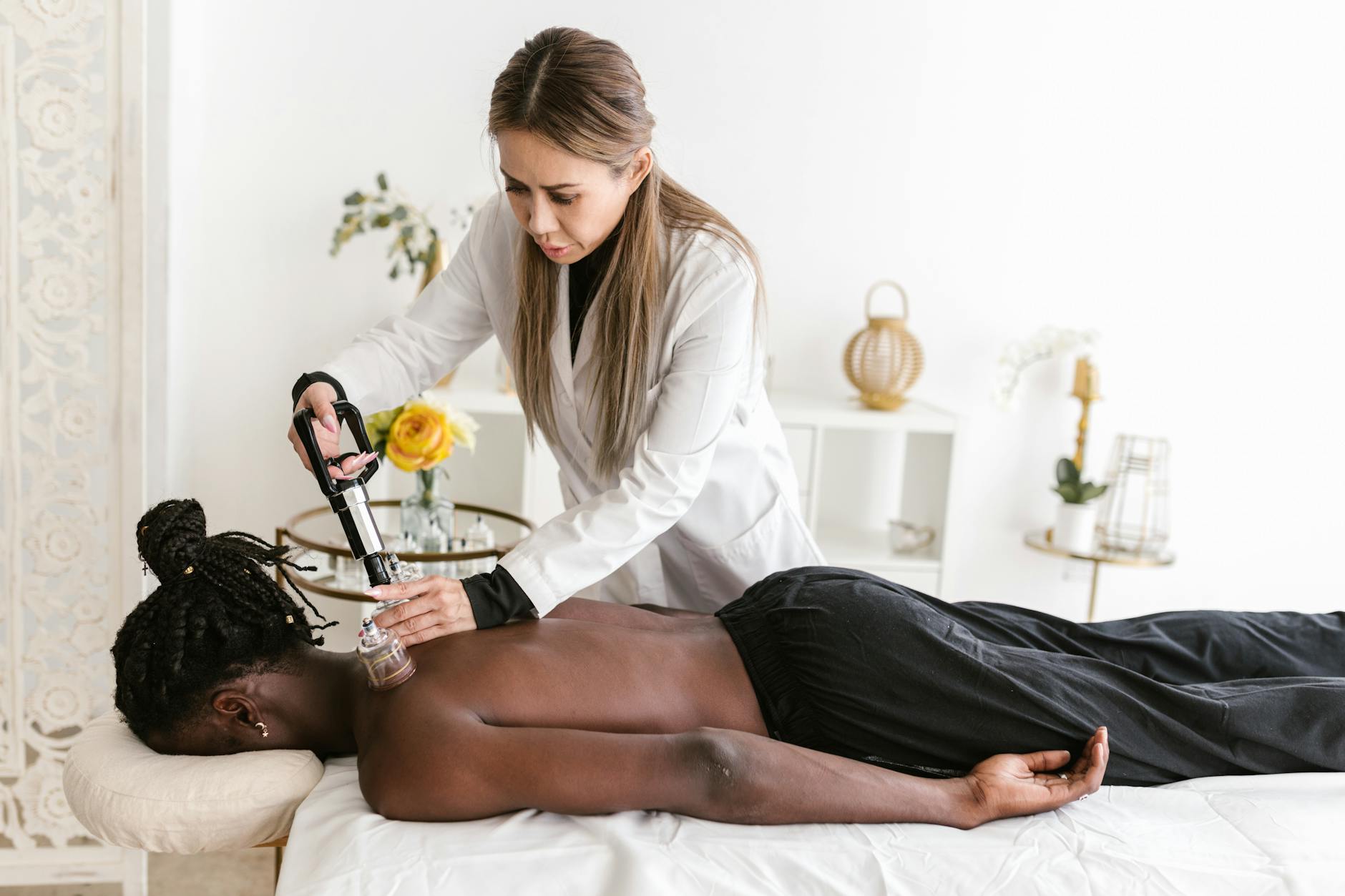
Therapy selection should be individualized and multidisciplinary, focusing on the neck sources when appropriate and integrating education, movement, and safe manual therapy.
Chiropractic care can be a valuable part of a broader, evidence‑informed plan. For cervicogenic headaches, neck‑focused therapies such as gentle mobilization, careful neck‑restoration techniques, and targeted exercises may reduce neck strain and the contribution of cervical joints to pain. Soft tissue work, postural coaching, and home exercise programs are commonly combined with care plans. For many people with headaches related to neck issues, improving upper‑back posture and shoulder blade control supports longer‑term relief. Evidence‑informed reviews suggest benefit from cervical spine mobilization and motor‑control exercises in well‑selected patients. See credible sources on these approaches linked above for context.
Your 7-step plan for the first visit
Preparation helps you get the most from the first visit: bring a headache diary, list medications, and clear questions about headaches and neck pain.
- Bring a detailed headache diary: when it started, how long it lasts, how intense it feels (0‑10), where the pain sits, and what seems to help or worsen it.
- List all medications and supplements you’re taking, including over‑the‑counter pain relievers, sleep aids, and vitamins.
- Describe neck symptoms: stiffness, reduced range of motion, prior injuries, whiplash, or recent strain.
- Note red flags: sudden, worst headache ever; fever with neck stiffness; weakness, numbness, confusion, or vision changes.
- Explain daily activities: sleep quality, desk posture, screen time, driving, lifting, and exercise routines.
- Share any prior evaluations or imaging results, if available, and what treatments you’ve tried and how you responded.
- Discuss goals and preferences: you deserve a plan that includes gentle adjustments, safe exercises, and a pace that fits your life.
If you’re in Clark NJ or Manhattan NY and want a thoughtful, evidence‑informed approach to cervicogenic headaches and migraines, scheduling a consultation with a licensed chiropractor can be a practical next step. A clinician can tailor a plan that respects your daily responsibilities and goals while emphasizing safety, comfort, and gradual progress.