If you experience headaches that begin with neck pain and travel toward the temples, you may be dealing with cervicogenic headaches. This guide is for readers in Clark, NJ and Manhattan, NY who are seeking conservative care and practical explanations about how a chiropractor can help. If you’re looking for a chiropractor in Clark NJ, this article explains what a blended approach of chiropractic care and targeted soft tissue work can involve, and what you can expect at your first visit.
Often, cervicogenic headaches originate in the cervical spine—structures like facet joints, intervertebral discs, and the surrounding muscles and fascia can become irritated. A chiropractor in Clark NJ who emphasizes soft tissue care tends to address both joint mechanics and muscle tension to reduce irritation, improve range of motion, and help you move more comfortably throughout the day. The goal is not a single quick fix, but a measured plan that respects your pace, preferences for gentle care, and daily life activities.
Cervicogenic headaches and the chiro + soft tissue approach from a chiropractor in Clark NJ

Cervicogenic headaches originate in the neck and often respond to targeted neck care paired with soft tissue work.
Cervicogenic headaches are a type of secondary headache, meaning the pain is referred from the neck to the head. The neck structures involved can include joints, muscles, nerves, and the alignment of the upper spine. For a broad overview, reputable health resources note that these headaches typically arise from neck dysfunction rather than from a primary brain-related process. A blended approach—combining gentle chiropractic techniques with targeted soft tissue work—is commonly used to reduce neck irritation and improve head and neck mobility. This model aligns with how many patients experience relief when they work with a chiropractor who emphasizes conservative care and hands-on therapies. See how this is described by respected sources such as Mayo Clinic and ACA.
Cervicogenic headache explained
In practical terms, a cervicogenic headache is often traced to how the neck moves and bears load throughout daily activities—sitting at a computer, driving, or carrying kids and bags. When neck joints or muscles are irritated, the resulting tension can refer pain into the head. A skilled clinician will look at your posture, range of motion, and movement patterns to distinguish this type of headache from other common causes, such as migraines or tension-type headaches. This distinction helps tailor treatment to address the neck first and foremost, rather than chasing symptoms alone.
Core components of chiropractic and soft tissue care

Care is tailored to you and may include gentle adjustments, soft tissue release, and supportive home exercises.
The blend of chiropractic care and soft tissue therapies aims to restore more natural neck biomechanics while reducing muscle knots and fascial tension. Key components often include gentle adjustments or mobilization to improve joint motion and reduce irritability in the upper spine. Soft tissue care—such as myofascial release and trigger point therapy—targets tight muscles and fascia that can pull on neck joints and contribute to headache symptoms. In addition, education about posture, sleep position, and ergonomic habits helps you maintain improvements between visits. For context on conservative approaches, the American Chiropractic Association emphasizes non-surgical options for cervicogenic headaches.
What soft tissue therapy covers
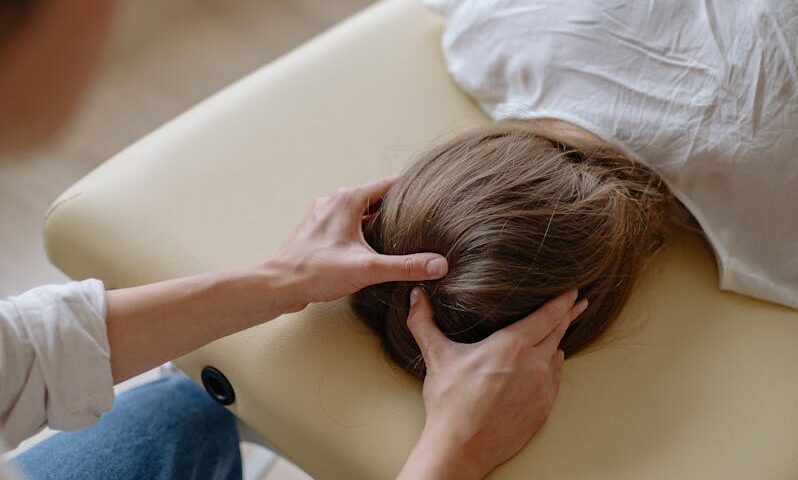
Soft tissue therapies focus on releasing tension in the muscles and connective tissue around the neck and upper back. Therapists may use hands-on techniques to release adhesions, reduce muscle spasm, and improve local blood flow. The goal is to complement any gentle joint work and to facilitate more comfortable movement in daily activities, whether you’re at a desk, on your feet, or lifting objects. Your plan will be tailored to your comfort level and goals, with options that emphasize safety and gradual progress.
What to expect on your first visit
Your first visit focuses on understanding symptoms, goals, and the safety of a plan that fits your life.
During the initial intake, you’ll have a discussion about your headaches, neck symptoms, daily activities, and medical history. A focused physical examination of the neck, upper spine, and posture helps identify movement limitations and any areas of tenderness. The clinician may observe your stance, how you sit, and how neck movements affect symptoms. If imaging or other tests are needed, they’ll be discussed and ordered thoughtfully. The overall aim is to create a plan that respects your preferences for gentle care and your week’s schedule.
The six-step plan you may experience
- Detailed intake and symptom review
- Focused physical examination of the neck, upper back, and posture
- Discussion of red flags and safety, and whether urgent care is needed
- Clear explanation of treatment options and informed consent
- Initiation of gentle adjustments or mobilization based on comfort
- Soft tissue therapy and a personalized home-care plan with stretches
Red flags, safety, and when to seek urgent care
While many people improve with conservative care, seek urgent evaluation if warning signs appear.
Most cervicogenic headaches respond to a careful, conservative approach, but certain red flags require prompt attention. Seek immediate care if you experience a sudden “thunderclap” headache, new weakness or numbness on one side of the body, confusion, trouble speaking, loss of balance, severe neck stiffness with fever, or a head injury followed by worsening symptoms. These signs may indicate conditions that need urgent evaluation beyond routine chiropractic care. Resources from Mayo Clinic and other authorities outline these warning symptoms and when to seek care.
In everyday life, you can help support better neck health between visits by paying attention to posture, taking regular breaks from screens, adjusting workstations, and performing the home exercises your clinician provides. If you ever feel a new, worsening, or unrelenting headache, discussing it with your chiropractor or primary clinician can help determine the right next step for you.
By partnering with a family chiropractor who prioritizes conservative care and clear communication, you’ll have a straightforward plan for cervicogenic headaches that respects your pace and daily routines. The blend of precise, gentle neck work with attentive soft tissue care is designed to reduce irritation, restore mobility, and support you in returning to activities you enjoy.