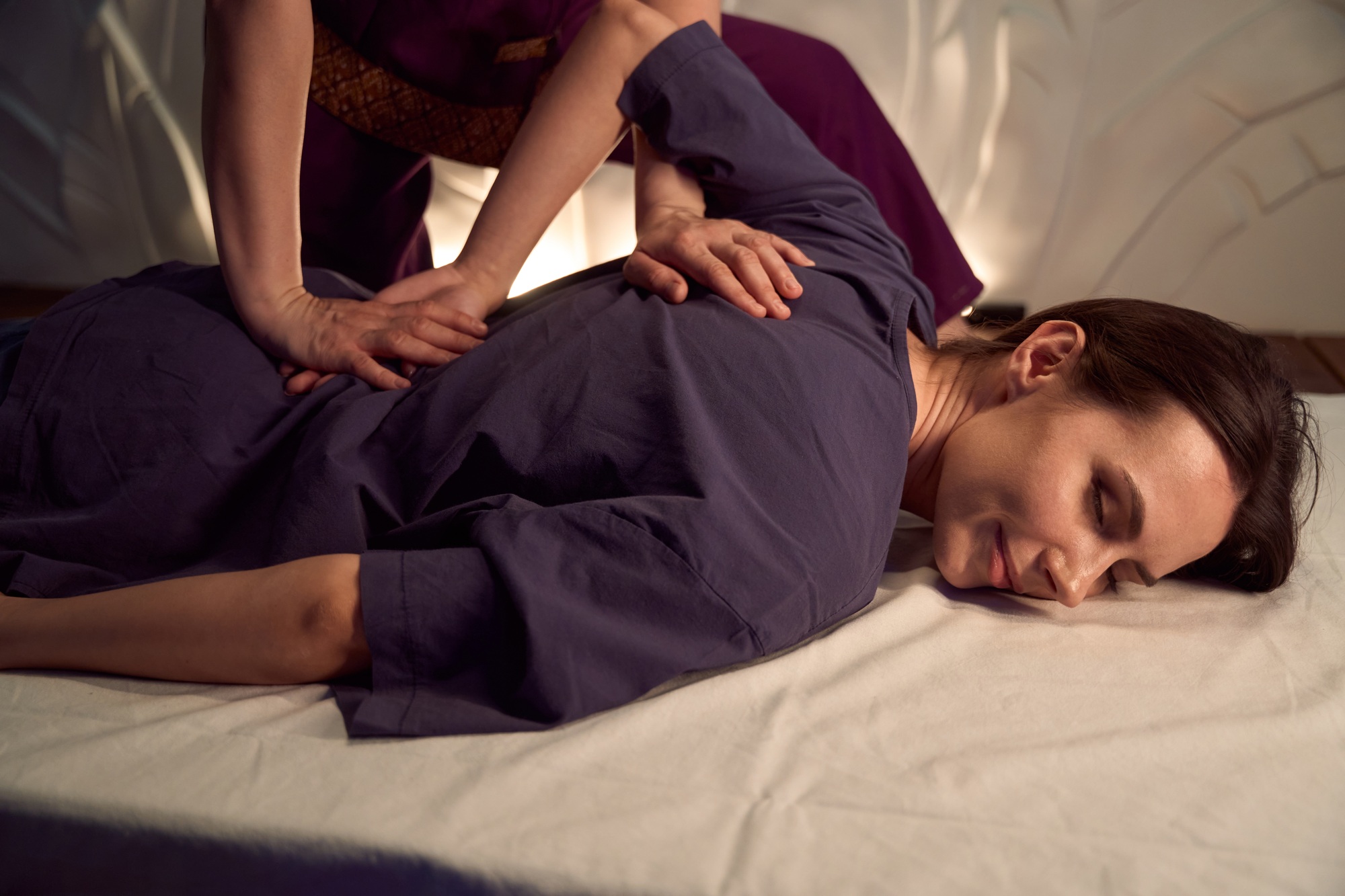
Chronic low back pain affects millions of people, leading to discomfort, limited mobility, and interference with daily routines. If you’re struggling with persistent back pain, it’s important to consider your options for conservative care. This guide aims to help you make informed decisions about managing your pain effectively while prioritizing your well-being.
Chiropractic care, physical therapy, and other non-invasive treatments may be beneficial for many individuals experiencing chronic low back pain. Understanding the potential strategies available can empower you to take charge of your health and improve your quality of life.
Why this matters for people living or working in the area
Living or working in busy areas like Clark, NJ, and Manhattan, NY, often comes with its challenges, particularly when it comes to maintaining a healthy lifestyle. Long hours spent sitting at desks, commuting, or participating in recreational activities can aggravate low back pain. Conservative care options, such as chiropractic treatment, physical therapy, or lifestyle adjustments, can provide viable relief without immediate reliance on medications or surgery.
Recurring patterns and risk factors
Several common patterns and factors contribute to chronic low back pain:
- Poor posture: Sitting or standing incorrectly can strain your back muscles.
- Inactivity: Sedentary lifestyles may weaken the muscles that support your spine.
- Heavy lifting: Incorrect lifting techniques canlead to injury.
- Stress: Emotional stress can lead to muscle tension, impacting your back.
- Aging: As we age, the spine can lose flexibility and strength.
How to spot problem areas in everyday life
Identifying factors contributing to your chronic low back pain is crucial. Here are some common signs to watch for:
- You often feel discomfort after long periods of sitting or standing.
- Your work environment lacks ergonomic support.
- You experience regular muscle tension or spasms.
- Your sleep position is poor or your mattress lacks support.
Prevention strategies by profile
Implementing preventive strategies can help manage chronic low back pain, tailored to different lifestyle profiles:
Office workers
Incorporate regular breaks to stand, stretch, and walk. Ensure your workstation is ergonomically designed, and consider a standing desk.
Active adults
Focus on strengthening core muscles and flexibility through exercises like yoga or pilates. Avoid high-impact activities that may exacerbate pain.
Seniors
Engage in low-impact exercises and consider balance training to enhance stability. Regular check-ins with a healthcare provider can help monitor spinal health.
Pregnant people
Prioritize gentle exercise, such as swimming or walking. Use supportive pillows while sleeping, and discuss appropriate stretches with your healthcare team.
Parents & kids
Encourage frequent movement and playtime. Teach proper lifting techniques for children and ensure they have supportive backpacks if they carry heavy loads.
What to ask your chiropractor and health team
When you visit a chiropractor or healthcare provider regarding chronic low back pain, consider these questions:
- What treatments do you recommend for my specific condition?
- How often should I attend sessions, and what can I expect each time?
- Can you suggest exercises or home care strategies to supplement my treatment?
- What signs should I look for that indicate my condition is worsening?
- How can we track the progress of my treatment?
How to follow credible evidence and guidelines
Staying informed about low back pain and care options is crucial. Look for evidence from recognized institutions like:
- The National Institutes of Health (NIH)
- The World Health Organization (WHO)
- Peer-reviewed clinical guidelines from medical associations
FAQ
- Can chiropractic care help with chronic low back pain? Many patients find chiropractic care helpful for reducing discomfort and improving function.
- How long will my treatment take? Treatment plans vary by individual needs, but many people begin to notice improvement within a few weeks.
- Will I need to continue treatment indefinitely? Some individuals benefit from ongoing care, while others may require treatment only during flare-ups.
- Are there specific exercises I should avoid? High-impact activities or exercises that require heavy lifting could worsen your condition; consult your healthcare provider for personalized advice.
- What if my pain worsens? If you experience increased pain or new symptoms, contact your healthcare provider immediately.
Responsible conclusion
Chronic low back pain can be a complex issue that requires careful consideration of your treatment options. Conservative care offers many avenues for relief. By understanding the various strategies available, asking the right questions, and being proactive about your health, you can enjoy a more comfortable, active life.
Warning signs
Be aware that certain symptoms may warrant immediate medical attention, such as:
- Numbness or weakness in the legs
- Loss of bladder or bowel control
- Severe, unrelenting pain
- Recent trauma or injury
What to do before / during / after
Before your appointment, jot down your symptoms and any concerns. During the visit, discuss your treatment options openly. Afterward, follow your care plan, including exercises and lifestyle changes that support your recovery.
Prevention checklist
- Maintain good posture while sitting and standing.
- Exercise regularly to strengthen core and back muscles.
- Take breaks to stretch during long periods of inactivity.
- Invest in an ergonomic chair or mattress.
- Practice stress management techniques to alleviate muscle tension.