
If you’re reading this, you or someone you care for may be navigating a stiff, painful shoulder that won’t move as smoothly as it used to. Frozen shoulder, medically known as adhesive capsulitis, tends to develop gradually and can affect daily tasks like reaching overhead, dressing, or carrying groceries. This article is for people who want clear, practical guidance from a trusted source in the Clark, NJ area. If you’re searching for a chiropractor in Clark NJ who understands shoulder motion and conservative care, this piece offers a practical overview of causes and mobility exercises you can discuss with your provider at Family Chiropractic of Clark.
We’ll explain what frozen shoulder is, what tends to contribute to its development, and how careful, guided movement can help restore range of motion. You’ll learn what to expect during a first visit, what kinds of exercises are typically gentle and safe, and how to balance activity with rest so you don’t irritate the joint. The goal is to empower you to make smart decisions about care, without promising instant results or a one-size-fits-all outcome. If you have any red flags, you’ll know when to seek urgent care or a timely evaluation by a clinician.
What is Frozen Shoulder?
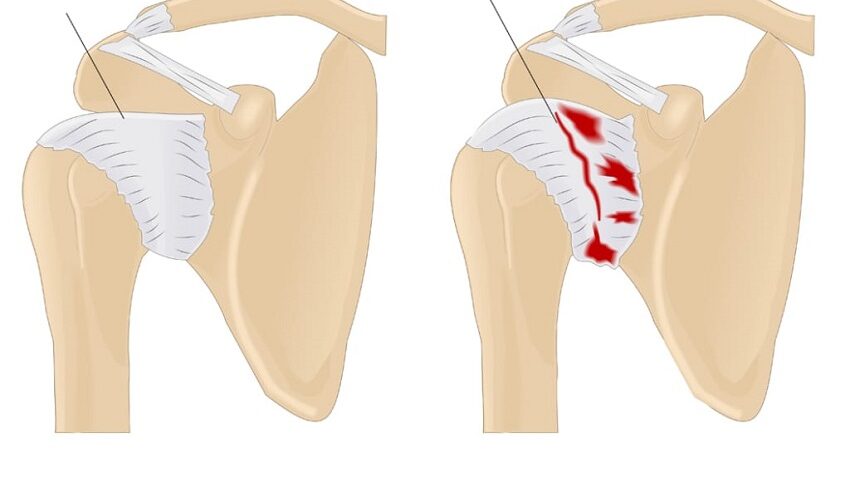
“Frozen shoulder happens when the capsule around the shoulder becomes thick and tight, which limits movement and can cause a lingering ache.”
Frozen shoulder is a condition in which the sleeve-like capsule surrounding the ball-and-socket joint tightens and thickens. That changes how the joint moves and can create pain, particularly with reaching behind you or lifting the arm away from the body. The progression is commonly described in stages, and many people notice a gradual improvement over time with a combination of rest, targeted exercises, and sometimes care from a clinician. It’s important to recognize that the goal of treatment is to restore movement and reduce pain, not to “fix” the joint instantly.
Causes and risk factors
In many cases, the exact trigger isn’t clear. It often follows an injury or shoulder inflammation, but it can also develop gradually without a clear event. Some people are more likely to develop adhesive capsulitis, including those with diabetes, thyroid conditions, or a history of shoulder problems. Age tends to fall in the mid-40s to 60s range, and both sides can be affected, though one shoulder is usually more symptomatic. A clinician may discuss how chronic postural habits or previous immobilization from an injury might contribute, but the condition is not a sign of a serious systemic disease. For the most accurate understanding of your situation, talk with your family chiropractor in Clark NJ about your medical history and daily activities.
“Understanding what factors may contribute helps people plan a safer, more effective recovery pathway.”
Stages of the condition
Most people describe three broad phases: a freezing phase where movement becomes painful and limited, a frozen phase where pain may lessen but stiffness remains, and a thawing phase where movement gradually improves. The duration of each stage varies, and some individuals experience overlapping symptoms. Because the shoulder adapts slowly, a gradual, well-structured exercise plan can align with your body’s pace. As always, this is an area where a licensed clinician can tailor guidance to your level of pain and ROM (range of motion).
Mobility and Gentle Exercises

“Gentle, guided movement can help restore range of motion over time while respecting how your shoulder feels.”
Gentle mobility work is a cornerstone of management for adhesive capsulitis. The emphasis is on controlled movement, not forcing the joint beyond what feels safe. Always communicate with your clinician about pain levels, and avoid exercises that worsen symptoms. Below is a practical sequence you can discuss with your chiropractor in Clark NJ or adapt with a licensed professional. It focuses on building gradual ROM while supporting daily activities like reaching, washing, and lifting light objects.
- Pendulum swings: Lean forward with a supported arm and gently sway the arm in small circles and side-to-side motions. Use only gravity—no active muscle squeezing—to begin loosening the joint.
- Wand-assisted flexion: Hold a light rod or towel with both hands and slowly raise the arm using the unaffected side as a guide. Stop if the movement causes sharp pain and hold when mild stretching is felt.
- Finger walks up a wall: Stand facing a wall and slowly walk the fingers upward, keeping the elbow slightly bent. Ascend until you feel a comfortable stretch, then slowly lower.
- Cross-body stretch: Use your unaffected arm to gently pull the affected arm across the chest, feeling a stretch along the back of the shoulder. Maintain a comfortable pace and avoid forcing a deep stretch.
- Towel stretch behind the back: Hold a towel behind your back with one hand over the shoulder and the other reaching up. Gently pull upward with the top hand to stretch the front of the shoulder and chest area.
- Gentle external rotation with a belt or band: With the elbow close to the body and the forearm angled outward, use a light resistance band to assist outward rotation. Stop if any movement is painful and adjust resistance as needed.
These steps are designed to be accessible in a home routine or during a clinic session. If a step increases pain beyond a mild, tolerable level, pause and discuss an alternative approach with your clinician. The aim is to create a sustainable habit that supports daily function and helps you regain motion over weeks and months, rather than days.
Red flags and when to seek urgent care

“If shoulder symptoms are accompanied by chest pain, shortness of breath, numbness, or weakness in the arm, seek urgent care.”
While frozen shoulder is typically a non-emergency condition, certain signs warrant prompt medical review. Seek urgent or near-immediate care if you notice severe or sudden shoulder swelling with fever, redness, or warmth around the joint, or if you experience chest pressure, numbness in the arm, or facial weakness. These could signal a condition that requires urgent evaluation. If you’re unsure whether a symptom is urgent, contact your health provider or your nearest urgent care for guidance.
- Severe, worsening shoulder pain that disrupts sleep or daily activities
- Numbness, tingling, or weakness in the arm that doesn’t improve with rest
- Acute swelling or deformity after an injury
- Fever or signs of infection around the shoulder
Partnering with a family chiropractor in Clark NJ
Working with a chiropractor who understands adhesive capsulitis can help you balance rest, movement, and manual care. Gentle, low-force adjustments, soft tissue techniques, and a structured home program can be part of a broader plan to improve shoulder mobility. It’s common for care plans to incorporate education on ergonomics, posture, and daily activity modifications to reduce strain while the joint heals. Every person’s timeline is different, so a personalized plan is essential.
When you begin care at a clinic like Family Chiropractic of Clark, your provider may review your medical history, evaluate how the shoulder moves, and tailor a stepwise plan that respects your pain limits and goals. The emphasis is on safety, gradual progression, and ongoing reassessment so you know when to advance a movement, adjust a frequency, or try a new approach. If you live in Clark NJ or frequent Manhattan for work, a local chiropractor can offer consistent guidance that fits your schedule and daily life.
In summary, frozen shoulder can be a challenging journey, but with patient education, gentle mobility work, and supportive care from a trusted clinician, many people regain meaningful range of motion and functional comfort over time. Consider discussing the exercises and strategies outlined here with a qualified professional to ensure they suit your shoulder’s current stage and your overall health. For ongoing guidance, you can schedule a visit with Family Chiropractic of Clark to explore a personalized plan that aligns with your activity level, sleep quality, and daily routines.