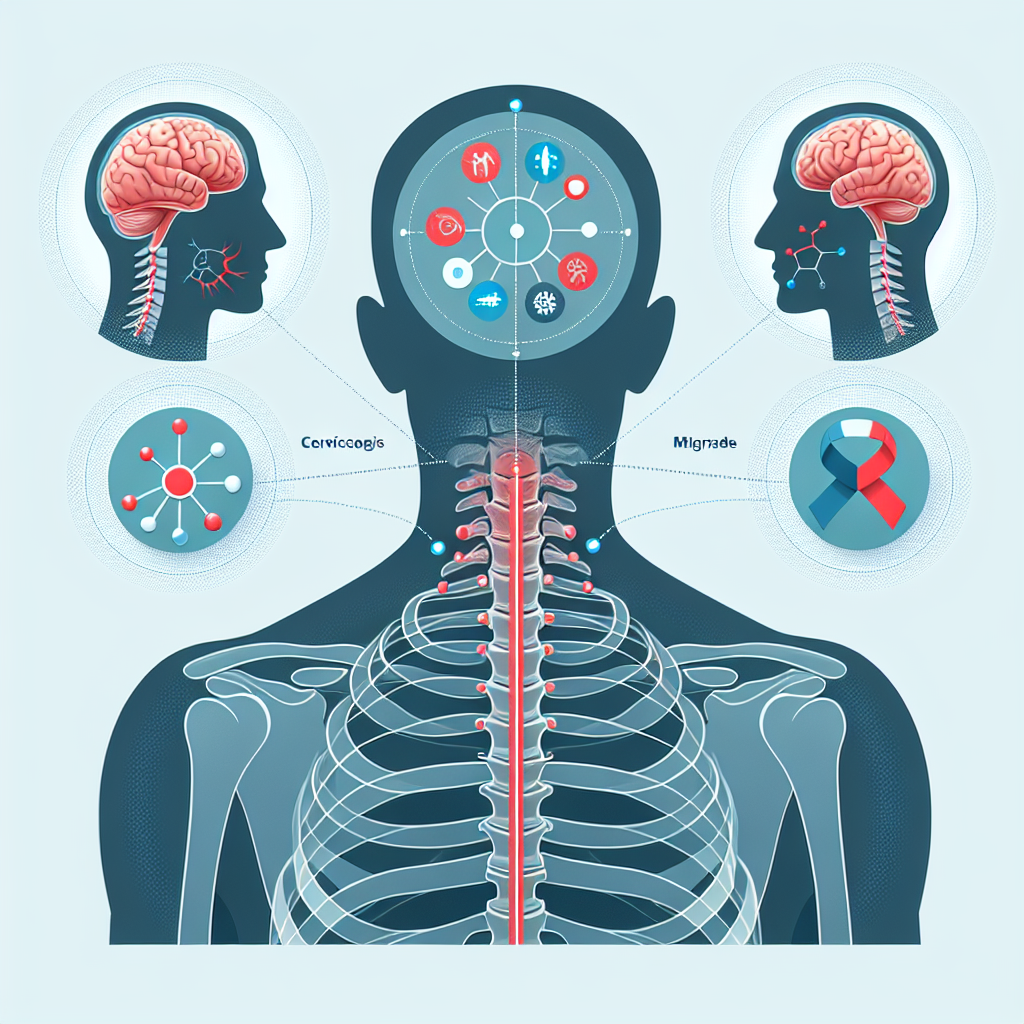
Many people experience headaches that can significantly impact their daily lives. Understanding the different types of headaches, particularly those related to the neck, can help in managing and alleviating discomfort. This post will explore cervicogenic headaches, migraines, and tension headaches, providing insights into their causes, symptoms, and differences.
Headaches can arise from various sources, and they often come with specific symptoms that can help identify their origin. Cervicogenic headaches, migraines, and tension-type headaches are three common types that have different mechanisms and triggers. Recognizing these distinctions can assist in finding effective treatment options tailored to individual needs.
Why this matters for people living or working in the area
In bustling environments like Clark, NJ, and Manhattan, NY, people are constantly navigating busy schedules, long commutes, and sometimes high-stress jobs. This lifestyle can lead to an increase in headache frequency and severity. Understanding headache types can empower individuals to make informed decisions about seeking care and managing their symptoms effectively.
Recurring patterns and risk factors
Each type of headache has unique patterns and risk factors:
- Cervicogenic Headaches: These headaches stem from issues in the cervical spine or neck region. Common causes include poor posture, repetitive neck movements, and injuries. Individuals who sit at desks for long hours might be more prone to this type of headache.
- Migraine: Migraines are usually characterized by intense pulsing or throbbing pain, often accompanied by nausea, vomiting, or sensitivity to light and sound. They can be triggered by hormonal changes, stress, certain foods, and sleep disturbances.
- Tension-Type Headaches: These headaches manifest as a dull, aching sensation combined with tightness or pressure around the forehead or back of the head. They are often triggered by stress, anxiety, poor posture, or muscle tension.
How to spot problem areas in everyday life
Identifying potential triggers and problem areas in daily activities can help prevent headaches:
- Evaluate your workspace for ergonomic support to reduce neck strain.
- Monitor posture while sitting, standing, or using devices.
- Take breaks during prolonged periods of computer use to stretch and relieve tension.
- Keep track of dietary habits, hydration, and sleep patterns.
Prevention strategies by profile
Effective prevention strategies ahead of headaches can vary based on individual lifestyles:
Office workers
Consider using an ergonomic chair and desk setup. Regularly practicing neck stretches can improve flexibility and reduce stress.
Active adults
Incorporate neck-strengthening exercises into your routine, and ensure adequate hydration, especially during physical activities. This can help limit headache occurrences.
Seniors
Staying active and maintaining good posture are crucial. Gentle neck exercises can help alleviate tension and prevent cervicogenic headaches.
Pregnant people
Be mindful of posture, especially as the body changes. Gentle stretching and breathing exercises may help in managing headache symptoms.
Parents & kids
Encourage proper posture during study sessions, and ensure children have a supportive workspace. Regular breaks from screens are key to reducing tension and headaches.
What to ask your chiropractor and health team
When seeking care, consider asking your chiropractor or health provider:
- What type of headache do you suspect I have?
- What are the best treatment options for my condition?
- How can I improve my posture or workspace ergonomics?
- What lifestyle changes can I implement to reduce headaches?
How to follow credible evidence and guidelines
Stay informed by checking reliable sources such as the CDC, FDA, or major medical associations. These platforms often provide updated guidelines on effective headache management and treatment.
FAQ
- What is the difference between cervicogenic headaches and tension-type headaches? Cervicogenic headaches originate from neck issues, while tension-type headaches are primarily caused by stress and muscle strain.
- Can chiropractic care help with headaches? Many individuals find that chiropractic adjustments may help alleviate certain headache types, particularly cervicogenic headaches.
- Are there specific exercises for headache prevention? Yes, exercises that strengthen neck muscles and improve posture can be beneficial in preventing headaches.
- When should I seek medical attention for my headaches? If headaches are severe, differ from your usual pattern, or are accompanied by other concerning symptoms, it’s important to seek medical advice.
- Is there a cure for migraines? While there’s no definitive cure for migraines, various treatments may help manage symptoms and reduce their frequency.
Responsible conclusion
Understanding the differences between cervicogenic headaches, migraines, and tension-type headaches can help you better manage your symptoms and seek appropriate care. If you are experiencing recurrent headaches, consider consulting with a healthcare professional for a tailored approach to your treatment.
Warning signs
Be vigilant for warning signs that may indicate a more serious condition. These include:
- Sudden, severe headache that differs from previous experiences.
- Headaches that occur after a head injury.
- Confusion or changes in consciousness.
- Visual disturbances or difficulty speaking.
What to do before / during / after
Before a headache occurs, identify triggers and activities that promote relaxation. During a headache, find a quiet, dark space to rest and hydrate. Afterward, consider evaluating lifestyle habits that may correlate with headache patterns.
Prevention checklist
- Maintain good posture throughout the day.
- Stay hydrated by drinking adequate water.
- Incorporate regular breaks during work or study.
- Practice stress management techniques such as deep breathing or yoga.
- Monitor your headache triggers and keep a headache diary.