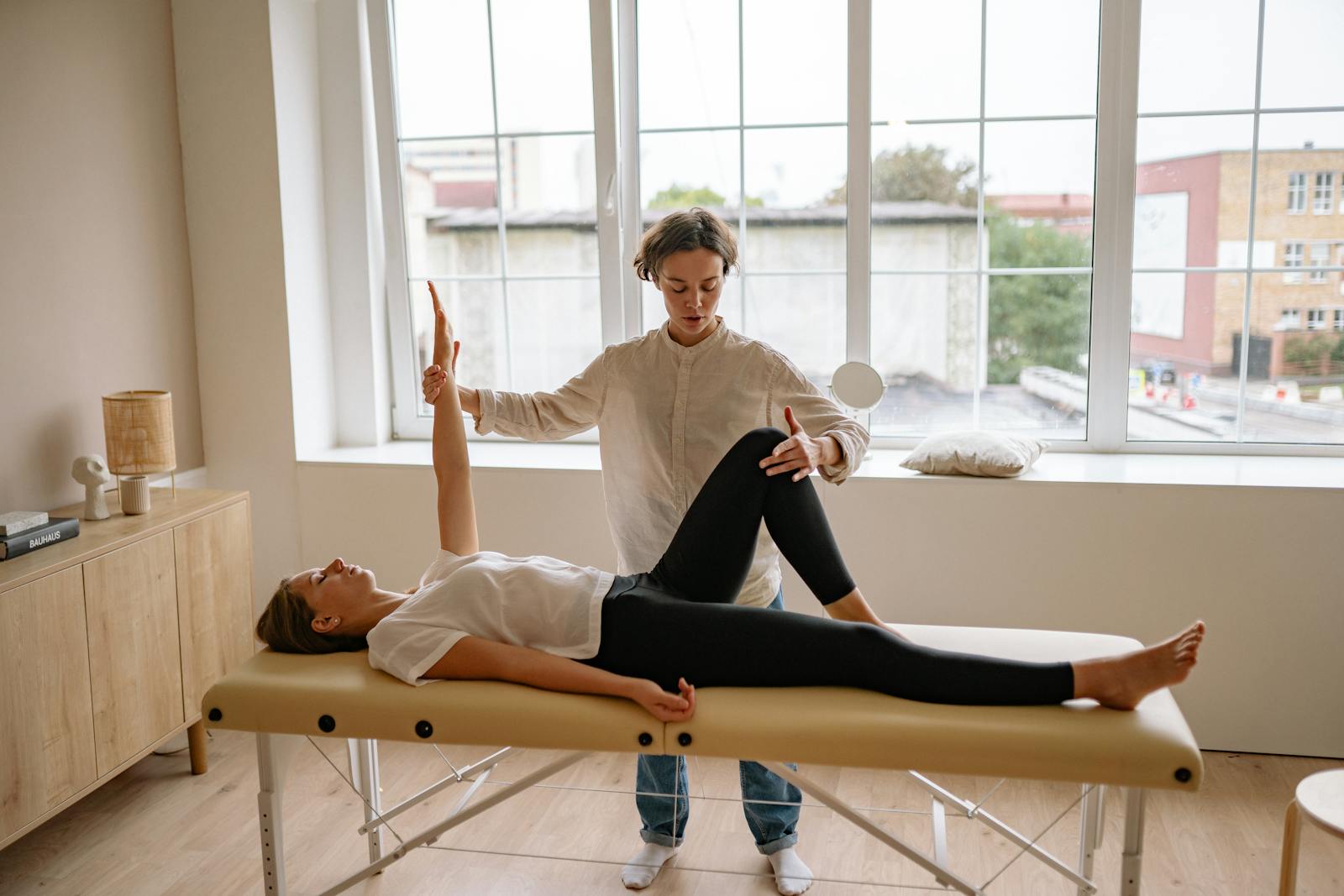
If you’re looking for a chiropractor in Clark NJ, knee pain from overuse, an old injury, or aging is a common reason people seek care. A combined chiropractic and soft tissue visit may address how your knee moves, how your hips and ankles contribute, and how muscle tension affects your step. This article explains what to expect, how to prepare, and what you and your body might gain from a gentle, movement-friendly approach. You’ll learn how a typical knee-focused session unfolds and what questions to ask to feel confident in your care.
As you consider care for the knee, a combined visit typically brings together a thorough listening intake, a physical check of the knee and adjacent joints, and targeted soft tissue work to ease tight muscles. A common worry is whether this will hurt or require cracking. In many cases, patients experience relief with gentle adjustments and careful tissue techniques, along with clear guidance for daily activities that support knee function. This guidance is designed to fit a busy week and your goals, including return to walking, climbing stairs, or playing with family. If you’re evaluating options, consult a licensed chiropractor in Clark NJ to discuss personal suitability and safety.
What a knee-focused visit looks like with a chiropractor in Clark NJ and soft tissue care
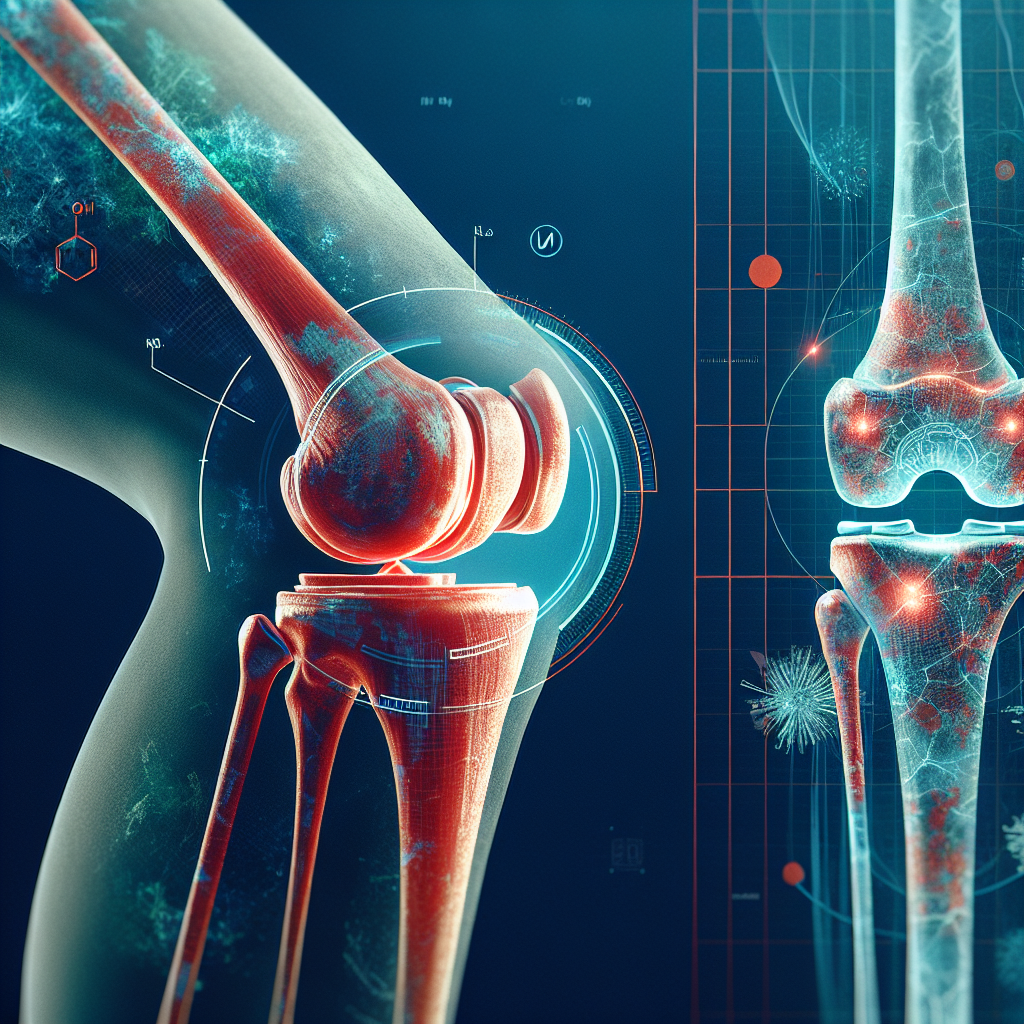
“A knee-focused visit brings together movement assessment and soft tissue work to support natural knee function, not just ease symptoms.”
The visit starts with a friendly intake, where the clinician asks about how the knee began, what activities worsen or improve it, and how it affects daily life. During the exam, the clinician assesses knee range of motion, how the kneecap tracks, and whether the hip, knee, and ankle work together smoothly. Soft tissues around the thigh and calf are palpated to identify tight bands, trigger points, or adhesions that might alter knee mechanics. A brief look at your gait or how you walk on stairs can reveal compensations that contribute to pain. Depending on findings, the plan may include gentle joint mobilizations, targeted soft tissue techniques, and a clear emphasis on comfort and consent. The goal is to support function with care that respects your pace and preferences, rather than forcing a single treatment style.
What to expect at the first knee-focused visit
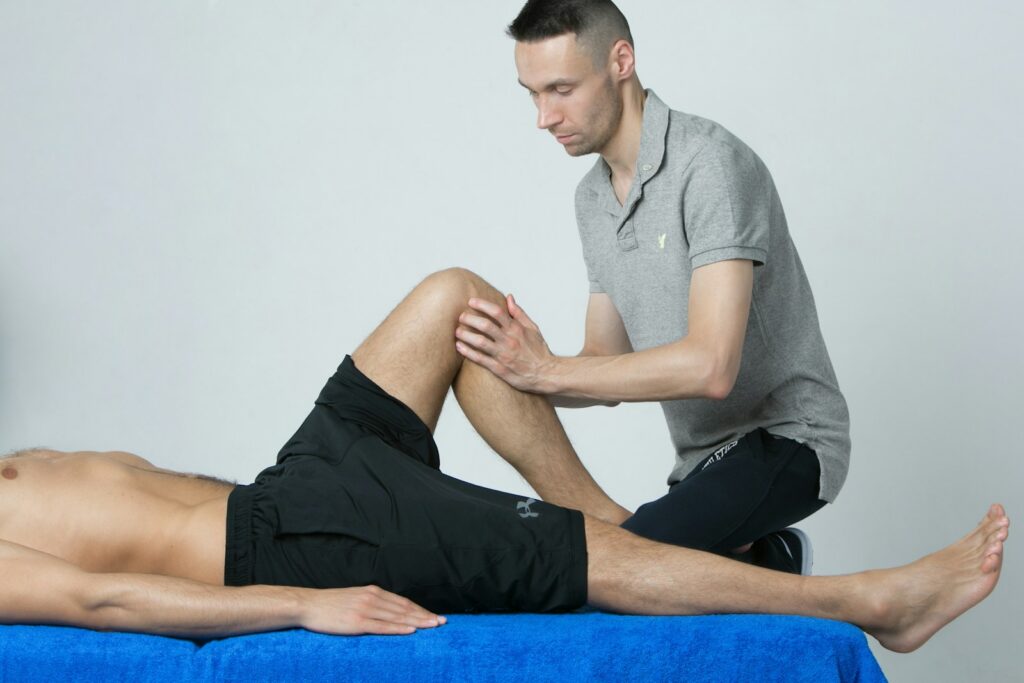
“In the first visit, you’ll learn what is likely contributing to knee pain and what a plan might look like for your goals.”
In your first knee-focused visit, expect a collaborative conversation about your goals—whether that’s better walking distance, easier stairs, or less evening stiffness. The clinician will share a plan that may combine hands-on care with practical self-care steps. A history review and physical examination help determine if chiropractic adjustments, soft tissue work, or gentle mobilization are appropriate. Imaging is considered only if there are red flags or if symptoms persist despite initial care. Most first visits are between 30 and 60 minutes, with ample time for questions about what to expect from ongoing care and how to integrate exercises and daily activities into your routine. You’ll leave with a practical, personalized plan and a sense of how progress will be tracked over time.
How the combined treatment could look: chiropractic adjustments plus soft tissue therapies
“A blend of gentle adjustments and soft tissue work helps improve knee tracking and reduce muscle tension around the joint.”
- Bring a list of current medications and any prior knee injuries or surgeries, so the clinician can tailor safety considerations.
- Wear comfortable, loose clothing that allows easy access to the knee and nearby joints for assessment and treatment.
- Be ready to describe when pain is worst, what activities aggravate it, and whether you notice swelling or instability.
- Ask about gentle adjustment options if you’d prefer not to hear a cracking sound or if you’re unsure about manual techniques.
- Expect a combination of soft tissue care (for example, targeted massage, myofascial release, or instrument-assisted methods) and light joint mobilization as appropriate.
- Receive guidance on simple at-home exercises and daily activities that support knee health and safe progression in activity.
- Plan follow-up visits and establish clear goals with your clinician so progress can be tracked and adjusted over time.
Red flags and when to seek urgent care
“Trust your instincts—seek urgent care if the knee becomes severely swollen, warm to touch with fever, or cannot bear weight after an injury.”
While many knee concerns respond to conservative care, certain signs require prompt evaluation. Seek immediate help if you experience severe deformity, an inability to bear weight, sudden and intense swelling, redness with fever, or intense pain that does not improve with rest. Red-flag symptoms may indicate acute injury, infection, or other conditions that warrant urgent medical attention. Your clinician can help interpret symptoms and guide you to the right level of care if red flags are present.
Choosing a combined chiropractic and soft tissue approach for knee pain is a personal decision, and it should feel like a collaborative process that respects your goals and comfort. If you live in Clark NJ or nearby and want to explore care options for knee pain, a licensed chiropractor can help you understand whether this approach aligns with your needs. Remember, this information is educational and not a substitute for an in-person clinical evaluation. If your knee symptoms worsen or you notice any red flags, please seek professional care promptly.