
This text is for patients looking to better understand what to expect when seeking a chiropractor in Clark NJ, especially regarding the cracking sounds during adjustments and the safety involved. We will clarify what is common to hear, differentiate myth from science, and offer practical guidance for those suffering from back pain, neck pain, or posture-related discomfort. You will find simple explanations about what really occurs in the body during an adjustment and how to choose care options that respect your comfort. The focus is to guide clearly, with accessible language, so that you can make informed decisions about your well-being.
If you are wondering: does the cracking sound need to happen for the treatment to work? What is the role of different adjustment techniques? What are the safe options for those who have sensitivity or fear of displacement? This article was prepared for readers in Clark NJ and Manhattan NY who value a conservative, evidence-based approach, with a focus on mobility, function, and quality of life. Open communication with the professional is an essential part of care. This content is aimed at those seeking to better understand what is possible within a visit to the office of a chiropractor in Clark NJ, with options that respect each person’s recovery pace.
What is the cracking sound? Demystifying myths and science
The cracking sound during an adjustment is, frequently, the result of cavitation — the release of gases in the joint — and not an essential sign that the joint is “aligned” permanently. The goal of care is to improve movement and function, not merely to provoke noise.
When we hear a crack, what is occurring is, most of the time, a rapid change in the joint space that facilitates the gliding of bones under movement. This phenomenon, known as cavitation, involves the release of gases dissolved in the joint synovia, mainly nitrogen and carbon dioxide. Not every adjustment needs to produce sound, and its presence or absence is not, by itself, the definitive indicator of benefit. Safety does not depend on the noise, but on proper technique, prior evaluation, and the alignment between technique and patient need. Studies and reviews suggest that the crack, by itself, does not cause accelerated cartilage wear and is not linked, automatically, to functional improvement. For interested readers, reference sources explain that cavitation is a common mechanism and generally harmless when performed by qualified professionals.
It is common for the question to arise: “if there is no crack, is there still benefit?” The answer is: yes. The efficacy of an adjustment depends on the improvement of mobility, tolerance to movement, and pain reduction, not just on the sound. In some situations, the adjustment can occur gently or with low-impact techniques, maintaining the focus on function. For those seeking additional information, reliable sources discuss the variability between patients and describe that the noise is not a requirement for therapeutic response.
Safety and adjustment techniques: gentle and effective options
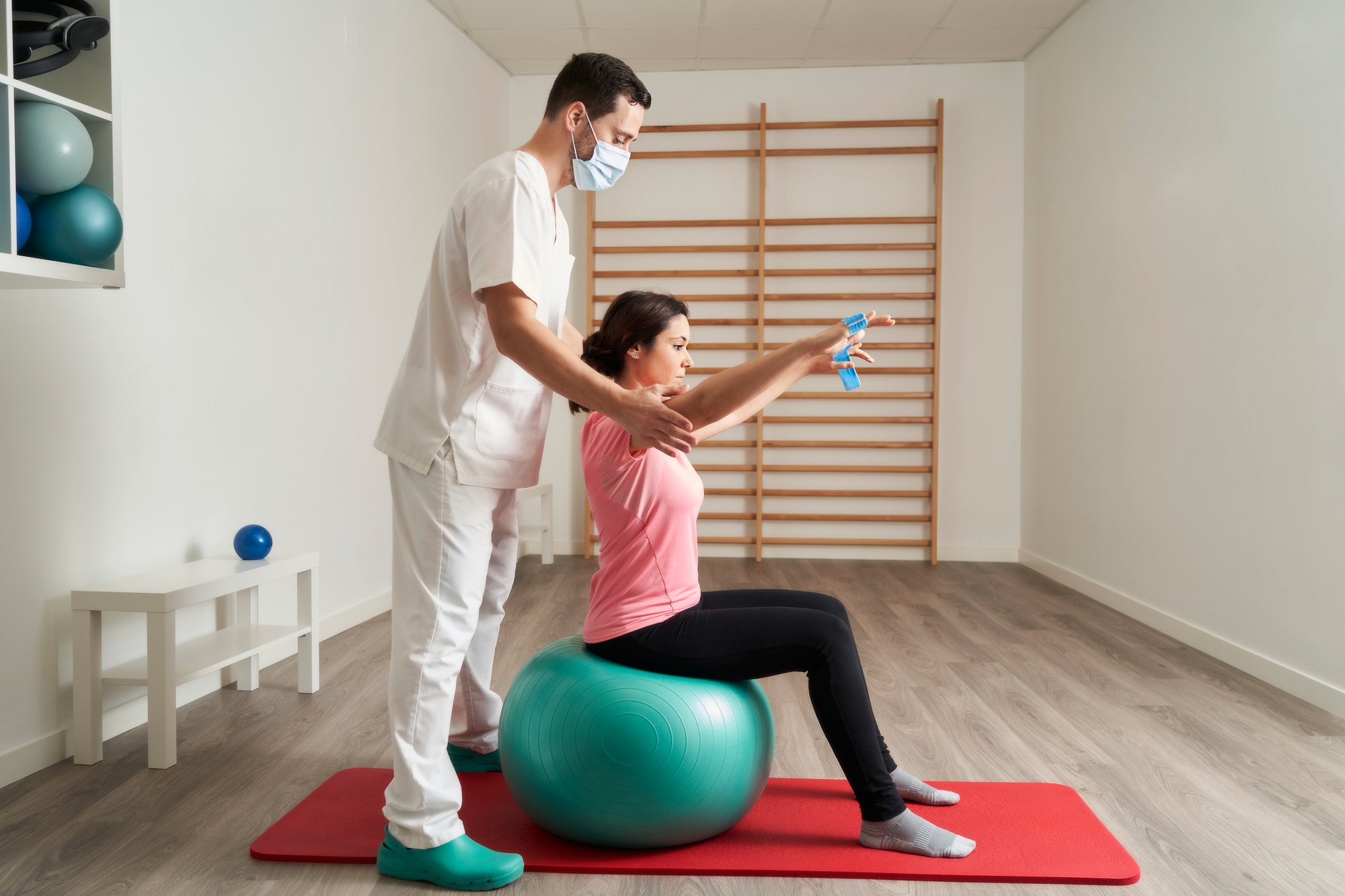
Safety begins with a careful evaluation and the choice of techniques that respect the patient’s body, prioritizing comfort, tolerance, and consent. The goal is to facilitate movement without causing unnecessary discomfort.
Safety begins with a careful evaluation and the choice of techniques that respect the patient’s body, prioritizing comfort, tolerance, and consent. The goal is to facilitate movement without causing unnecessary discomfort.
Clinical practice offers a variety of adjustment techniques, including high-velocity, controlled-amplitude methods (sometimes with a crack), as well as low-impact approaches, such as activator techniques or gentle mobilization. Not every patient prefers or tolerates cracks, and this is fully acceptable. Low-impact techniques may include adjustments with simple instruments, graded mobilizations, stretching, and strengthening exercises that help restore function without relying on joint noise. In cases of sensitivity, osteoporosis, inflammatory disease, or neurological changes, the health professional adjusts the intensity, direction, and treatment time to reduce risks. Any adjustment must be preceded by an evaluation and clear consent, with an explanation of what will be done, why, and what the alternatives are.
Red flags or situations that require additional care include intense and sudden pain, weakness, sharp tingling, dizziness, tremors, or warning signs that suggest serious conditions. In these scenarios, the decision to start or continue therapy must involve additional medical evaluation, with the participation of healthcare professionals. To support your decision, you can consult guidelines from recognized organizations that discuss the safety of the adjustment practice and the importance of individual evaluation before any intervention.
What to expect on the first visit and how to prepare

A well-structured first consultation begins with careful evaluation, open communication, and clear consent. The choice of technique must respect your comfort, goals, and health history.
On the first visit, you can expect a conversation about your symptoms, medical history, and treatment goals. Next, the professional will perform a simple evaluation of mobility, posture, and function, with questions about daily activities, sleep, repetitive work, exercises, and previous injuries. Instead of focusing only on rapid relief, the focus is on understanding how the problem affects your daily life and what lifestyle adjustments can support recovery. Honest communication is fundamental for the professional to adapt the intervention to your body and your preferences.
- Filling out a brief health history, including injuries, surgeries, and relevant medical conditions.
- Definition of realistic goals for treatment and explanation of available options, including techniques with or without cracks.
- Rapid evaluation of movement, flexibility, and basic posture, without inducing discomfort.
- Identification of pain areas, where movement is limited, and what type of activity aggravates or relieves symptoms.
- Clear explanation of what can be done in the first session and what changes to expect in the coming days.
- Discussion of daily activities that help, such as adjustments in posture when working, sleeping, and walking.
- Planning of subsequent visits with progressive goals and monitoring of response to treatment.
- Instructions on signs of improvement or warning that require quick return or additional evaluation.
Upon ending the first visit, the professional may demonstrate simple mobility exercises, gentle stretching, or slab habits to support recovery at home. The idea is that you have a realistic roadmap for the next week, including sleep adjustments, work position, and breaks to stretch. If you wish, ask your doctor or the Family Chiropractic of Clark office for information about local support resources, home exercises, and wellness programs to maintain function and reduce discomfort over time.
Warning signs and when to seek emergency care
Although most adjustments are safe when performed by qualified professionals, some situations require extra care. Severe pain that does not subside, persistent weakness, numbness or tingling that extends to limbs, extreme dizziness, difficulty speaking, or sudden weakness may indicate conditions that require emergency evaluation or referral to medical services. If there is severe trauma, high fever with neck pain, or signs of neurological complication, seek immediate care. In any doubt about the severity of symptoms, consult a healthcare professional for proper guidance.
Next steps: how to choose appropriate conservative care
For those seeking conservative and patient-centered care, the key is open communication, individualized evaluation, and the option for techniques that respect comfort and preferences. Considering a chiropractor in Clark NJ can be an effective way to address back pain, neck pain, or posture-related discomfort, especially when the goal is to improve mobility and function without relying on invasive interventions. When planning the first visit, take into account questions about technique, treatment time, and realistic goals. Consult reliable sources about safety, types of techniques, and the role of body education in the recovery process. For additional information, check reference sources from recognized organizations regarding safe practices in chiropractic.
If there are doubts about whether this type of care is suitable for you, the best practice is to schedule an evaluation with a qualified professional. A careful and informative path helps you make decisions that promote well-being sustainably. Remember that choosing a trusted professional, who explains treatment plans, pain management options, and home exercises, can significantly improve the care experience and results over time.
For practical guidance, you can seek information in reliable sources about the safety of spinal manipulations and patient-centered treatment approaches. If you are in Clark NJ, consider consulting the local office to verify the availability of services that combine thorough evaluation, adjustment options with or without cracks, and daily self-care education. Speak with the professional about your preferences, concerns, and wellness goals, always keeping safety and comfort as the priority.
Professional advice: this content is educational and does not replace an individual clinical evaluation. On topics of pain, use of technology, or warning signs, seek guidance from a specialist. In situations of acute pain, neurological signs, or risk to life, seek emergency care or immediate medical guidance. If you are seeking additional information about what to expect in a visit and the options for conservative care, schedule a consultation with a chiropractor in Clark NJ or with the team at Family Chiropractic of Clark for a personalized evaluation.
External reference sources: to better understand the safety and principles behind chiropractic adjustments, consult recognized organizations that discuss efficacy, safety, and evidence-based approaches in chiropractic practice.