Plantar fasciitis is a common source of heel pain that many patients experience when starting a new activity or resuming walking after a period of rest. If you’re wondering how many visits you might need before things feel better, you’re not alone. As a chiropractor in Clark NJ, I see many patients with plantar fasciitis seeking conservative care. This guide from Family Chiropractic of Clark explains how visit frequency is decided, what to expect on your first visit, and practical steps you can take at home to support your recovery. The goal is to reduce pain, restore function, and help you return to your daily routines with confidence.
Plantar fasciitis pain typically shows up as a sharp sting or ache on the bottom of the heel, often after a period of rest or in the morning. The number of visits needed can vary widely from person to person, depending on how long the symptoms have been present, your activity level, and your foot mechanics. In general, a well-structured plan that combines gentle in-clinic care, targeted stretches, and supportive footwear tends to yield gradual improvement over weeks rather than days. A chiropractor in Clark NJ often emphasizes a balance between in-office treatments and home care, tailored to your comfort and goals.
Understanding plantar fasciitis and the goals of conservative care

Conservative care focuses on reducing pain and improving function, not just masking symptoms.
Plantar fasciitis happens when the band of tissue under the foot becomes irritated, typically due to overuse, tight calves, or faulty foot mechanics. The aim of conservative care is to relieve stress on the plantar fascia, support the arch, and restore ease of movement. In practice, many chiropractors combine soft tissue work, gentle foot and ankle mobilization, targeted stretches, and guidance on footwear or orthotics. It’s important to note that imaging or injections are not automatic and are considered only if red flags arise or symptoms fail to improve with initial care. For general guidance, see credible resources such as Mayo Clinic’s overview of plantar fasciitis.
Mayo Clinic overview of plantar fasciitis
How many visits might a chiropractor in Clark NJ recommend for plantar fasciitis?

Most patients notice gradual improvement with consistent care over several weeks.
There isn’t a one-size-fits-all answer. In many cases, patients with a moderate duration of symptoms follow a plan that includes a series of in-clinic visits and structured home care. Common practice patterns mention roughly 6 to 12 visits spread over about 4 to 8 weeks, with the frequency tapering as pain subsides and function returns. Factors that influence the total number of visits include symptom duration, your daily activity demands, your body’s response to treatment, and adherence to exercises and footwear recommendations. Your Clark-based clinician will customize this timeline to you and your goals. For context, general information on plantar fasciitis is available from reputable sources like Mayo Clinic.
What to expect on your first visit
Opening a dialogue about your comfort and goals helps tailor a plan that fits your life.
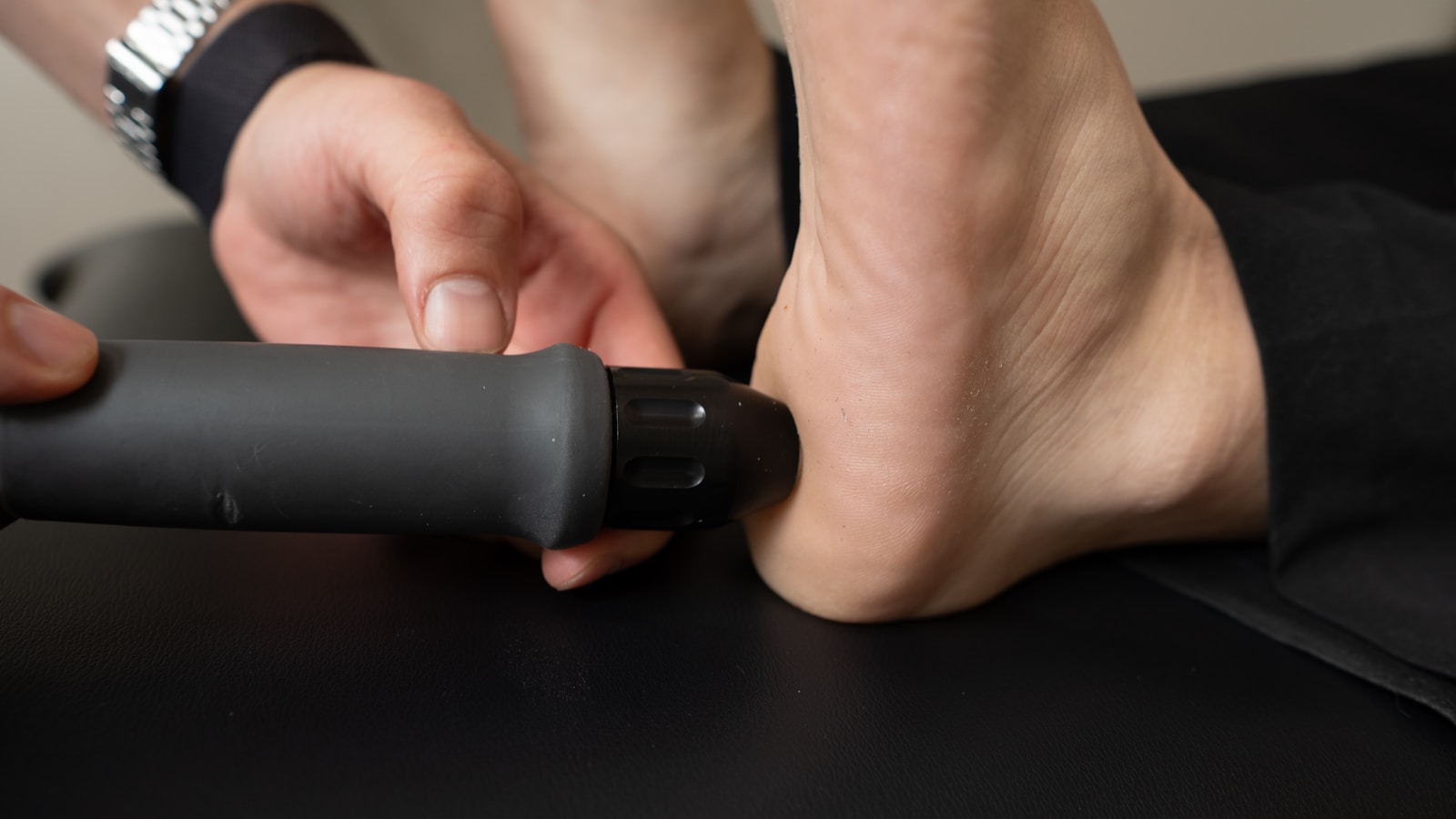
On the first visit, you’ll describe when the heel pain started, how it limits daily activities, and any prior treatments. The clinician will examine your foot and ankle, observe your gait, and assess calf flexibility and arch support. The plan may include gentle manual techniques, foot and ankle mobilizations, and a guided set of stretches. Imaging is not routinely required, unless red flags suggest an alternate diagnosis or more serious issue. You’ll leave with an understanding of the offered options, a practical home program, and a sense of how the next visits will unfold.
What you’ll cover in the initial assessment
In addition to a symptom review, expect a brief discussion of footwear, daily activities, and sleep posture, all of which can influence heel pain. The goal is to establish a clear starting point and a realistic pace for progress.
A practical, stepwise plan for your first weeks
Starting with a documented plan can help you track progress and stay motivated.
In-clinic steps you’ll experience
- Intake and symptom history, including onset, intensity, and aggravating or easing activities.
- Physical exam focused on the foot, ankle, and calf mechanics to identify contributing factors.
- Diagnosis or working impression of plantar fasciitis and related structures.
- Initial treatment plan, which may include gentle manual therapy, soft tissue work, and modifications to footwear or orthotics.
- Home care instructions, including a structured stretching routine, ice as appropriate, and guidance on activity modification.
- Follow-up schedule and criteria for adjusting the plan based on your response.
Warning signs and when to seek urgent care
Urgent care should be sought if there is sudden, severe heel pain with swelling or an inability to bear weight.
Most heel pain improves with conservative care, but certain red flags require prompt evaluation. If you experience intense, sudden heel swelling, numbness, weakness in the foot, a fever with foot pain, or a visible deformity, seek urgent medical attention. People with diabetes or neuropathy should monitor heel pain closely and inform their clinician about any changes. If pain persists despite a dedicated home program and in-clinic care for several weeks, a clinician may reassess the plan or consider alternatives within a conservative framework.
Plantar fasciitis can be managed effectively with a thoughtful, patient-centered plan that blends professional care and daily self-management. If you’re in Clark NJ or Manhattan NY and want to discuss a personalized approach, a chiropractor can help you decide what fits your life today and what steps to take next.