
This article is for mothers and fathers navigating the postpartum period and dealing with pain in the lower back, pelvis, or core region. The pain can range from moderate to severe, making activities such as breastfeeding, carrying the baby, walking, or sleeping well difficult. Postpartum hormonal changes, the body’s accommodation to the new weight, and postural adjustments can contribute to discomforts that recur throughout the first few weeks. This guide offers safe strategies, gradual recovery, and practical guidelines to support your journey back to well-being. A chiropractor in Clark NJ can offer guidance on safe options for your specific situation, always under clinical evaluation.
When planning your recovery, consider your routine at home: irregular sleep, baby-related tasks, short commutes, and the need for self-care without overloading your body. This content focuses on conservative approaches — focusing on mobility, comfort, and a gradual return to activities — with clear language and practical examples for those in Clark NJ and Manhattan NY. The idea is to provide useful information without promising a quick cure, always encouraging consultation with a healthcare professional before starting any exercise program. A chiropractor in Clark NJ can help build a safe plan, respecting your recovery time and goals.
How postpartum pain usually presents itself: back, pelvis, and abdominal support

Among the most common complaints are lower back pain, a feeling of heaviness in the pelvis, and discomfort when standing for long periods. Mild diastasis recti, ligament laxity associated with relaxin, and changes in the baby care routine can contribute to a feeling of instability. Many people notice that simple actions, such as picking the baby up from the crib, breastfeeding while sitting, or remaining seated for a long time, aggravate the discomfort. Recognizing these patterns helps to adapt movements safely.
“Changing positions frequently, maintaining correct support, and pausing when necessary are simple strategies that usually facilitate recovery without requiring radical changes to the routine.”
It is important to remember that each body reacts uniquely. The goal is to reduce pain, improve mobility, and allow daily activities to flow with less effort. Avoiding sudden efforts, keeping weight within safe ranges, and using adequate supports can make a difference in the initial months. Consulting a professional is a sensible decision to adapt care to your needs.
Conservative approaches for safe recovery
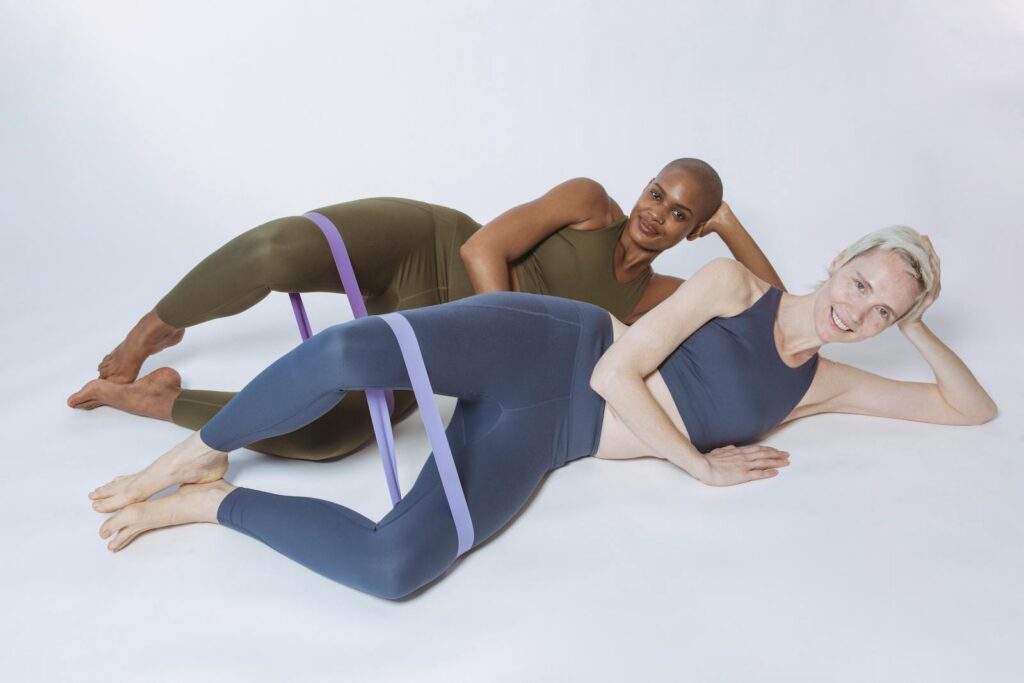
Conservative care for postpartum pain usually includes postural hygiene, trunk support, gentle stretching exercises, and low-impact activities. Gentle mobilization techniques, postural education, and sleep strategies can reduce tension without relying on medications. In many situations, gentle adjustments performed by qualified professionals, combined with guided exercises, help restore function without unnecessary risks. Always consult a professional before starting any exercise program.
“Conserving gentle movement and posture control during daily activities usually accelerates recovery when done with professional guidance.”
Furthermore, it is common to recommend the use of local heat, cold compresses as needed, and regular breaks to stretch and rest the lower back. Breathing practices, gentle strengthening of the pelvic floor and core, always adapted to the postpartum period, can offer important support for stability. For evidence-based information, look for recognized sources in the area of women’s care and chiropractic practice.
For reliable references on chiropractic care during postpartum recovery, consult the ACA website: Pregnancy and Chiropractic Care.
What to expect at your first visit with a chiropractor in Clark NJ
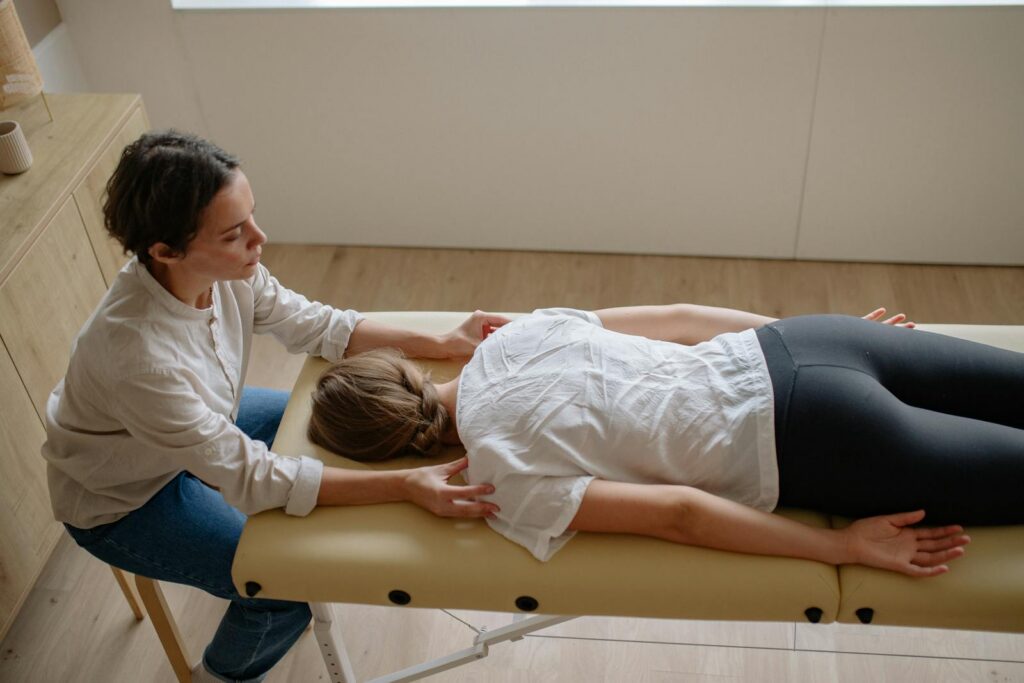
During the first visit, the professional collects information about the birth, pain history, sleep quality, breastfeeding habits, and activities that provoke discomfort. Then, a physical evaluation is performed focusing on the alignment of the pelvis, lumbar spine, and trunk. Simple tests of mobility, posture, and movement tolerance help to understand what is contributing to the discomfort. With this data, the treatment plan is personalized, with realistic goals and safe adjustments, always respecting the recovery time.
“The first visit is the time to understand your activities, difficulties, and goals, so that the treatment is appropriate and safe.”
This approach avoids promises of immediate results and considers that each body reacts differently. In Clark NJ, the practice usually combines gentle adjustments with guided exercises, postural education, and self-care recommendations for home. If there are warning signs — pain that worsens with rest, fever, diffuse tingling, or weakness — seek immediate medical attention.
This content is educational and does not replace a clinical evaluation. Talk to your doctor or obstetric physical therapist to decide what is appropriate for you. The AACA – American Chiropractic Association and other sources from the women’s care community help inform evidence-based decisions.
Daily strategies to manage pain and maintain mobility
Below are practical strategies to manage daily discomfort, maintaining mobility without requiring radical changes to the routine. Use them as a baseline and adjust according to your comfort and professional guidance.
- Coordinate active rest breaks between baby care activities, avoiding long periods in the same position.
- Practice good breastfeeding habits: choose seats that promote spinal alignment and use supports when necessary.
- Incorporate short and consistent walks of 10 to 20 minutes, with appropriate footwear and a stable surface.
- Alternate between heat and cold to reduce inflammation and tension, respecting recommended application times.
- Perform gentle stretching and slow strengthening exercises for the core and pelvic floor, with professional guidance.
- Maintain correct posture during household activities and remote work, adjusting the height of the screen and chair.
- Include lumbar support during moments of prolonged sitting, especially during breastfeeding or care tasks.
- Plan a gradual return to physical activities with professional monitoring and without skipping steps in the recovery process.
Daily comfort checklist:
- ☐ Short breaks to walk and stretch every 60–90 minutes.
- ☐ Neutral postures when holding the baby (avoiding repeatedly curving the back).
- ☐ Pelvic alignment during resting and breastfeeding positions.
- ☐ Use of support pillows between the legs when lying on the side.
- ☐ Footwear with good support, avoiding high heels during the initial recovery.
- ☐ Adequate hydration and a balanced diet for tissue support.
- ☐ Sufficient sleep and sleep positions that promote lumbar comfort.
- ☐ Planning daily tasks with breaks for active rest.
- ☐ Involving family members to help with heavy tasks or transporting baby items.
If you are in Clark NJ or Manhattan NY and are dealing with back or pelvic pain after childbirth, schedule an evaluation with Family Chiropractic of Clark to discuss safe recovery options. This content is educational and does not replace a real-time clinical evaluation. You do not have to face this alone — small changes, supported by the right guidance, can make a difference in your quality of life in the coming weeks and months.