Whether you’re living with low back pain, neck tension, or stiffness from daily life, safe core strengthening can help support your spine and improve movement without triggering flare-ups. This guide is written for neighbors in Clark, NJ and beyond who want practical, conservative strategies that fit into a busy week. If you’re looking for a chiropractor in Clark NJ, you’ll learn what safe core work looks like, how to start with gentle movements, and what to expect when you work with a chiropractor in Clark NJ. The goal is stability, not pain amplification, with a plan you can repeat safely at home, at work, or on the go.
Safe core strengthening isn’t about a single miracle exercise; it’s about layering small, controlled movements that train the muscles that protect your spine. In this article, you’ll find a clear progression, practical cues to listen to your body, and signs that it’s time to pause or seek professional guidance. You’ll also hear how a trusted family chiropractor in Clark NJ can tailor the approach to your posture, daily tasks, and activity level—whether you sit at a desk, lift groceries, or play with children. Let’s start with the basics.
What to expect from safe core strengthening with a chiropractor in Clark NJ
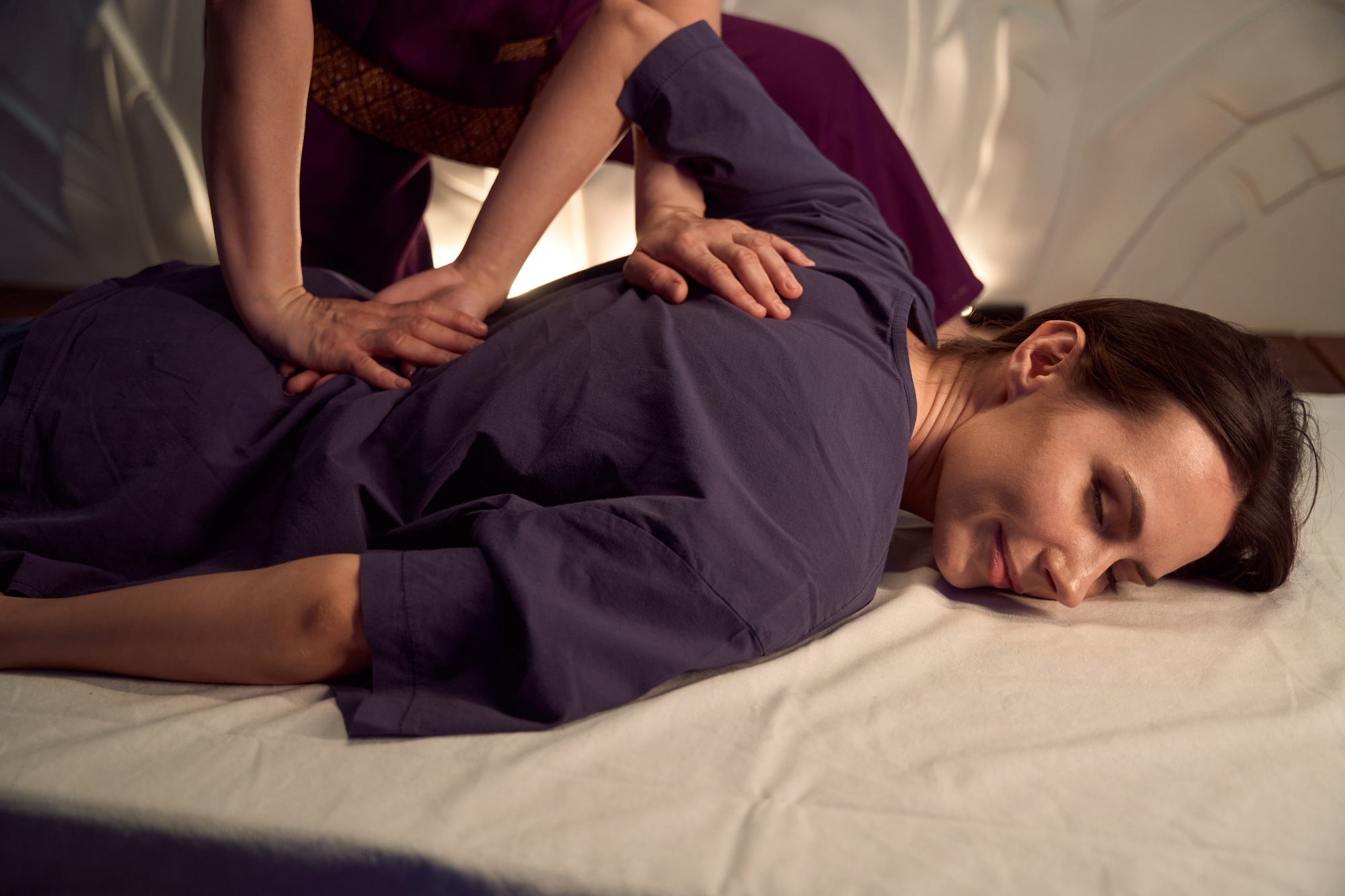
When you visit a chiropractor for core strengthening, the first step is a gentle assessment of your spine, posture, and movement patterns. A typical visit may include a quick history, a postural screen, and simple tests to see how your core behaves during breathing and basic movements. The emphasis is safety and patient comfort, with options for low-force adjustments if needed. You won’t be asked to endure uncomfortable cracking; the aim is to establish a foundation for steady progress that respects your back’s limits while you build strength over time.
Safe core work emphasizes quality over quantity—start with precise, painless movements and progress only when you can perform them with control.
Principles of safe progression: pacing and pain monitoring

Progression is personal and should feel like a steady buildup rather than a rush. A careful plan begins with an assessment of your baseline activation—how your deep abdominal and spinal stabilizer muscles respond during simple breaths and tiny movements. From there, time, load, and challenge are increased gradually, with attention to alignment and breathing. Your chiropractor in Clark NJ will help you weave core work into daily life—office routines, commuting, and household tasks—so that movements stay practical, not intimidating. If pain flares or lingers beyond a short recovery period, it’s a sign to pause, revisit technique, or seek guidance for appropriate modifications.
Progression should be gradual and intentional; if a movement hurts more than transiently, stop and adjust.
Practical, gentle exercises you can start today

These movements are designed to be performed in short sessions, with attention to breathing and spine position. Begin with one cycle of each exercise to learn the form, then gradually add repetitions and sets as tolerated. Prioritize comfort, not speed, and avoid any movement that causes numbness, tingling, or sharp pain. Keep a neutral spine and avoid straining the neck or lower back. If you’re new to exercise or have persistent pain, consult your chiropractor for individualized guidance.
- Diaphragmatic breathing with neutral spine and pelvic tilt: Lie on your back with knees bent, place one hand on the abdomen, and inhale to expand the belly without letting the ribs flare. Exhale slowly while gently drawing the lower abdomen toward the spine; hold for 2–3 seconds, repeat 8–12 breaths, 2-3 sets.
- Abdominal bracing with neutral spine: Gently brace the abdominal muscles as if you were about to take a punch, keeping the breath smooth. Hold 6–10 seconds, release, and repeat 6–8 times, maintaining a comfortable spine.
- Pelvic tilt and chin tuck in supine position: Press the small of your back into the floor while tucking the chin slightly, achieving a gentle lift of the sternum. Perform 2-3 sets of 10-15 reps, focusing on controlled movement.
- Bridge (glute bridge) with knees bent: From the supine position, push through the heels to lift the hips while keeping a neutral spine. Hold briefly, then lower with control. Do 2-3 sets of 10-15 reps, avoiding excessive arching.
- Dead bug exercise with slow controlled movements: Lie on your back, arms and opposite leg extend slowly, keeping the lower back pressed toward the floor. Alternate sides for 2-3 sets of 8-12 reps per side.
- Bird-dog with controlled limb extension: On hands and knees, extend one arm and the opposite leg while maintaining a stable spine. Keep hips square and shoulders calm; perform 2-3 sets of 8-12 reps per side.
- Side-lying hip abduction or leg lift with hips stacked: Lying on your side, lift the top leg without rotating the torso. Focus on hip stability rather than range of motion; complete 2-3 sets of 10-12 reps per side.
- Progression to standing march with light resistance: From a standing position, lift the knees in a marching pattern, bracing the core and maintaining upright posture. Start with 20–30 seconds and progress to longer bouts as tolerated.
When to seek urgent care or consult your chiropractor
Most mechanical or muscular back pain improves with a measured approach to movement and rest. However, certain signs require prompt evaluation. Seek immediate medical attention if you experience sudden numbness or weakness in both legs, trouble controlling bowel or bladder function, saddle anesthesia (numbness in the groin area), severe pain after a fall or accident, or a fever with back pain. If you have a history of cancer, recent significant trauma, or if pain persists or worsens after several weeks of conservative care, contact your chiropractor for a re-evaluation and personalized plan. This guidance helps ensure you stay safe while exploring effective, conservative options for back and core health.
For neighbors in Clark NJ and Manhattan NY who value a calm, evidence-informed approach to back pain and mobility, the path forward is collaborative and patient-focused. If you’d like a gentle, customized program that fits your life—work demands, school schedules, and family responsibilities—consider reaching out to Family Chiropractic of Clark. A chiropractor in Clark NJ can help you refine posture, integrate safe core strengthening into daily routines, and support you toward steadier movement with fewer flare-ups. Take the next step by scheduling your first visit and starting a foundation that supports your spine and daily function.