
Sciatica can be challenging to manage, especially when you’re trying to plan care around work, family, and daily routines. If you’re seeking relief from leg pain or numbness and you’re exploring options with a chiropractor in Clark NJ, this guide helps you understand what a typical visit rhythm might look like and what could prompt changes to your plan. You’ll learn how clinicians assess progress, what milestones to expect, and practical steps to fit care into a busy week with confidence.
Care for sciatica is highly individualized, and a thoughtful approach emphasizes safety, gradual progress, and ongoing communication. In this article we’ll outline how many visits tend to be considered normal, factors that might lead to adjusting the plan, and common scenarios you may encounter—without promising a cure or unrealistic timelines. The goal is to help you partner with your care team, make informed decisions, and stay comfortable as you move toward better function.
What is a ‘normal’ number of visits with a chiropractor in Clark NJ for sciatica?
Initial expectations and typical course
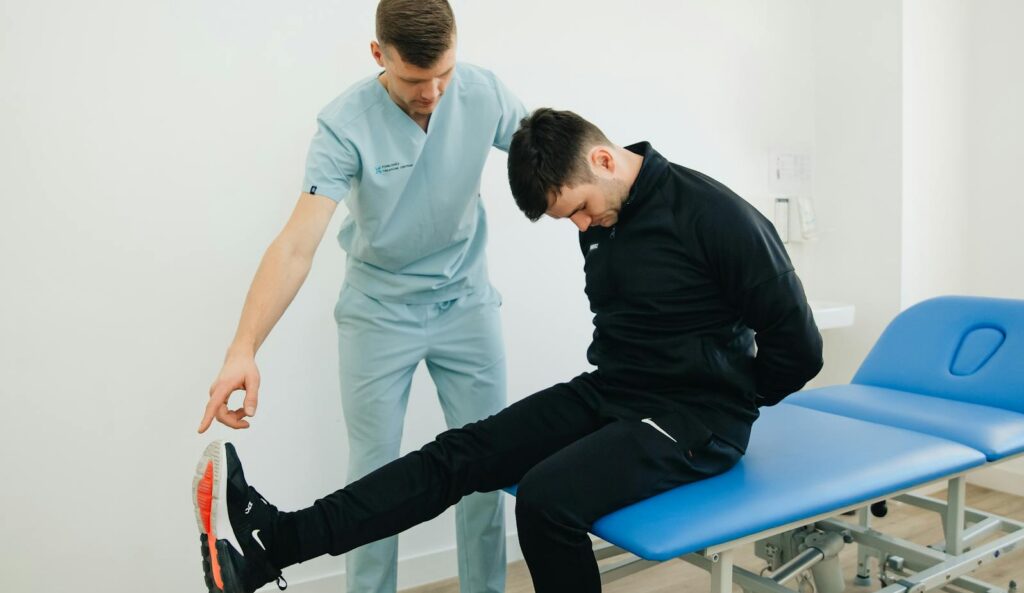
For many patients, the early phase of sciatica care with a chiropractor in Clark NJ often involves a structured plan that spans several weeks. A common starting approach might include a series of visits over 2 to 4 weeks to assess how the body responds to gentle, patient-friendly techniques, including soft tissue work, mobility exercises, and low-force adjustments. The exact number of visits can vary widely, and some people notice meaningful relief sooner while others may require a longer timeline. The emphasis remains on steady, comfortable progress rather than rapid, dramatic change.
How progress is measured
Progress isn’t only about pain levels. Clinicians typically look at improvements in sleep, walking tolerance, ability to sit without sharp discomfort, and more freedom of movement. Your feedback during care—what you can do today that you couldn’t do yesterday—helps shape the plan. In many cases, a clinician may adjust expectations as you report better function, clearer nerve mobility, and fewer flare-ups after activity. In the best scenario, you’ll notice a gradual return of normal daily activities with less fear around certain movements.
“Progress with sciatica care is best measured by function and daily ease, not just a number on the pain scale.”
What changes the plan for sciatica care?

Key factors that prompt adjustments
Several practical factors can lead to a revised care plan. If you respond quickly to gentle adjustments and targeted exercises, the clinician may reduce or reorder visits and emphasize home care. If pain remains persistent or you notice new symptoms, the plan might shift to include additional modalities, a different sequence of therapies, or a longer maintenance phase. Your level of daily function, sleep quality, and ability to engage in work or parenting tasks also influence how quickly the plan changes.
- Initial response to treatment modalities (e.g., manual therapy, nerve glide exercises, or specific stretches).
- Changes in pain intensity, leg numbness, or sciatica-related symptoms during activity.
- Emergence of new or worsening symptoms that require re-evaluation.
- Findings from re-assessment visits, such as improved range of motion or persistent limitations.
- Practical considerations like schedule, travel distance, or competing commitments.
- Communication with other providers (primary care, physical therapy, or specialists) that leads to a coordinated plan.
“If a plan isn’t aligning with how you feel and function, it’s appropriate to re-evaluate and adjust with your clinician.”
Red flags and when to seek urgent care

While most sciatica improves with conservative care, certain symptoms warrant prompt attention. Seek urgent care if you experience new or worsening weakness in the leg, numbness around the groin or saddle area, loss of bladder or bowel control, sudden significant gait changes, or signs of infection such as fever with back pain. These red flags don’t mean you’ve failed treatment, but they do require immediate evaluation to rule out more serious conditions. If you’re ever unsure, contact your care team for guidance about what symptoms merit urgent assessment.
Practical tips to support care during daily life
Incorporating strategies outside the clinic can help optimize progress and comfort. Here are practical steps you can take during a typical week to support your plan with a chiropractor in Clark NJ:
- Maintain gentle activity between visits, such as short walks, light stretching, and posture-friendly work habits.
- Choose sleep positions and supportive bedding that minimize nerve pressure and support the lower back.
- Set up an ergonomic workspace and take regular breaks to avoid prolonged sitting or awkward postures.
- Follow a clear home exercise program prescribed by your clinician to promote mobility and nerve gliding.
- Communicate openly about what feels better or worse, so your plan can adapt to daily realities.
- Hydration, balanced meals, and a steady routine can support overall musculoskeletal health during recovery.
FAQs about visits and plan changes
People often wonder how to interpret early responses, whether adjustments mean the treatment isn’t working, or how long a plan might last. A calm, collaborative conversation with your Family Chiropractic of Clark team can help you set realistic milestones and keep expectations aligned with your daily life. Remember, the goal is to restore function and reduce discomfort with a plan that respects your pace and preferences.
“The right plan respects your pace, fits your life, and prioritizes steady progress over perfect timing.”
In practice, many patients find that the number of visits needed for sciatica varies, and plans are adjusted as the body responds. If you’re in Clark NJ or the Manhattan area seeking conservative care, your clinician will likely start with a clear plan, reassess after a short period, and adjust the pace based on how you feel, how you move, and how well you’re returning to daily activities. That ongoing dialogue is central to effective, evidence-informed chiropractic care.
If you’d like to discuss personalized expectations for your sciatica care, you can reach Family Chiropractic of Clark for a consultation to help determine a realistic plan tailored to your needs and schedule.