If you’re in Clark, NJ and seeking a chiropractor in Clark NJ to help with leg pain, back discomfort, or mobility worries, you’re not alone. This guide explains the differences between sciatica and a herniated disc, describes typical symptoms, and highlights how chiropractic care often works in a conservative, non-surgical plan. Understanding the difference can help you decide on the right next steps for daily life and long-term spine health.
Throughout this article, we’ll outline how sciatica and herniated discs differ, the symptoms you might notice, and what to expect on your first visit to a chiropractor in Clark NJ. We’ll cover practical tips for fitting care into a busy week, red flags that require urgent care, and how evidence-informed chiropractic care supports posture, movement, and function without promising immediate relief or cures.
Understanding Sciatica and Herniated Disc
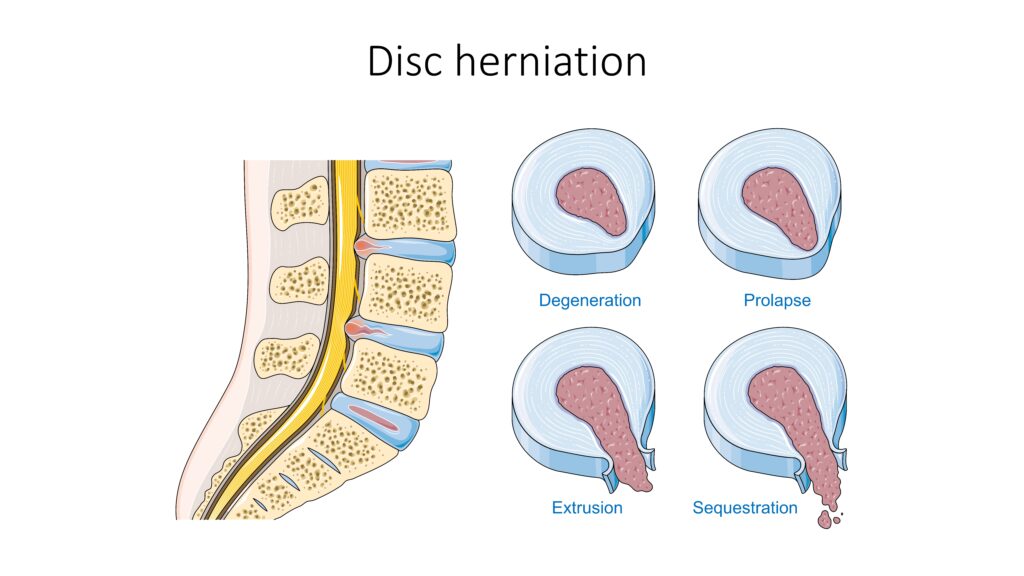
Sciatica describes a pattern of nerve-related symptoms that travel from the lower back or buttocks down the leg, following the path of the sciatic nerve. This doesn’t tell you a single diagnosis by itself; rather, it points to nerve irritation or compression somewhere along the spine or pelvis. A herniated disc, on the other hand, occurs when the soft inner material of a spinal disc pushes through the tougher outer ring and presses on nearby nerves. While a herniated disc can cause sciatica, not all sciatica is due to a disc herniation. Mechanical strain, degenerative changes, and posture can all contribute to these symptoms.
“Sciatica is a symptom pattern, not a single diagnosis. Understanding the underlying cause guides care.”
For context, reputable health sources describe sciatica as nerve-related leg pain that can accompany numbness, tingling, or weakness, while a herniated disc is a structural issue within the spine that may lead to nerve compression. To explore these concepts further, you can review overview materials from established health organizations, including Mayo Clinic and Cleveland Clinic:
Learn more from Mayo Clinic about sciatica symptoms and causes: Sciatica symptoms — Mayo Clinic.
Learn more from Cleveland Clinic about herniated discs: Herniated disc — Cleveland Clinic.
Key Differences in Symptoms

Identifying symptom patterns can help distinguish sciatica from a herniated disc, though overlap is common. The following points describe typical presentations in a straightforward way that helps guide conversations with a chiropractor about next steps.
- Sciatica: Pain that commonly travels from the low back or buttock into one leg, sometimes with burning, tingling, or numbness along the leg. Symptoms often worsen with sitting or certain movements and may be described as “nerve pain.”
- Herniated disc: Back pain that can be localized or radiate into the leg if a nerve is affected. Symptoms may include weakness, numbness, or a foot or leg feeling “dead” or heavy, and pain can worsen with bending, lifting, or twisting.
- Overlap: A herniated disc can cause sciatica-like leg pain, but not every case of leg pain is due to a disc herniation. Other factors like bone spurs, facet joint irritation, or muscular strain can contribute to similar symptoms.
- Onset and triggers: Some people notice sudden onset after lifting, twisting, or an injury; others describe gradual symptoms from repetitive activities or poor posture.
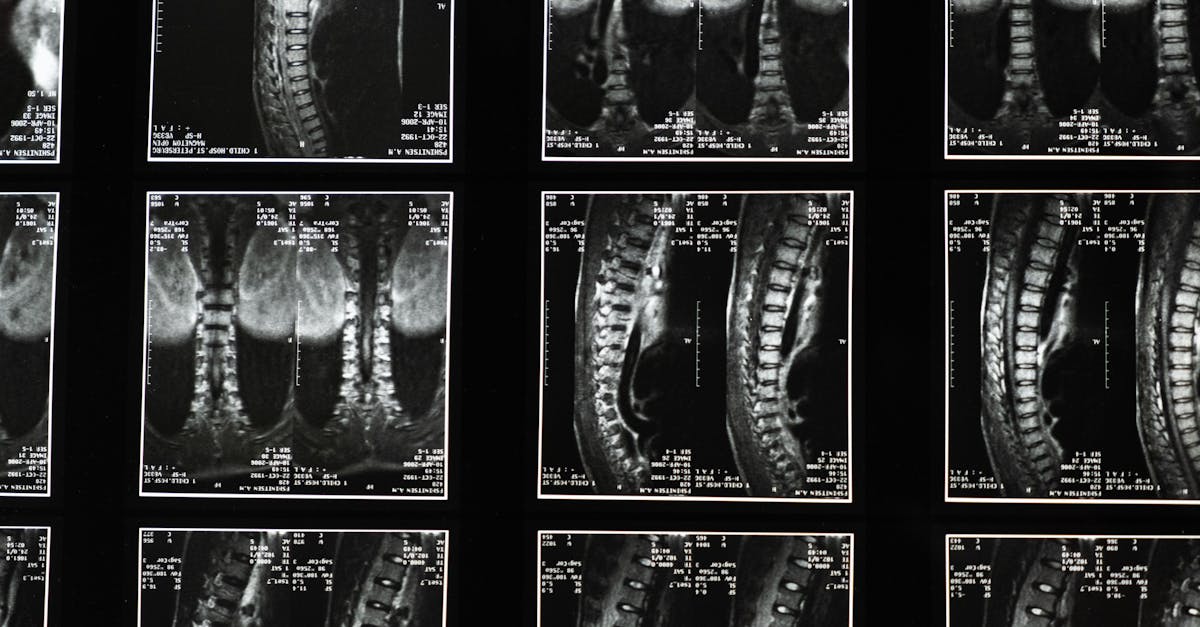
- Imaging and testing: Structural findings on imaging (when performed) don’t always perfectly predict symptoms, so care decisions are based on a combination of history, exam, and, when needed, imaging results.
Remember to be mindful of red flags that require urgent care. Seek immediate evaluation if you experience sudden numbness or weakness in one leg, new bowel or bladder control problems, severe or progressive neurological symptoms, or symptoms following a serious trauma, such as a fall from a height or a heavy impact. A medical professional can determine whether urgent imaging or intervention is necessary.
“Herniated disc symptoms and sciatica often overlap, but a careful assessment helps identify the safest, most effective plan.”
Your first visit with a chiropractor in Clark NJ
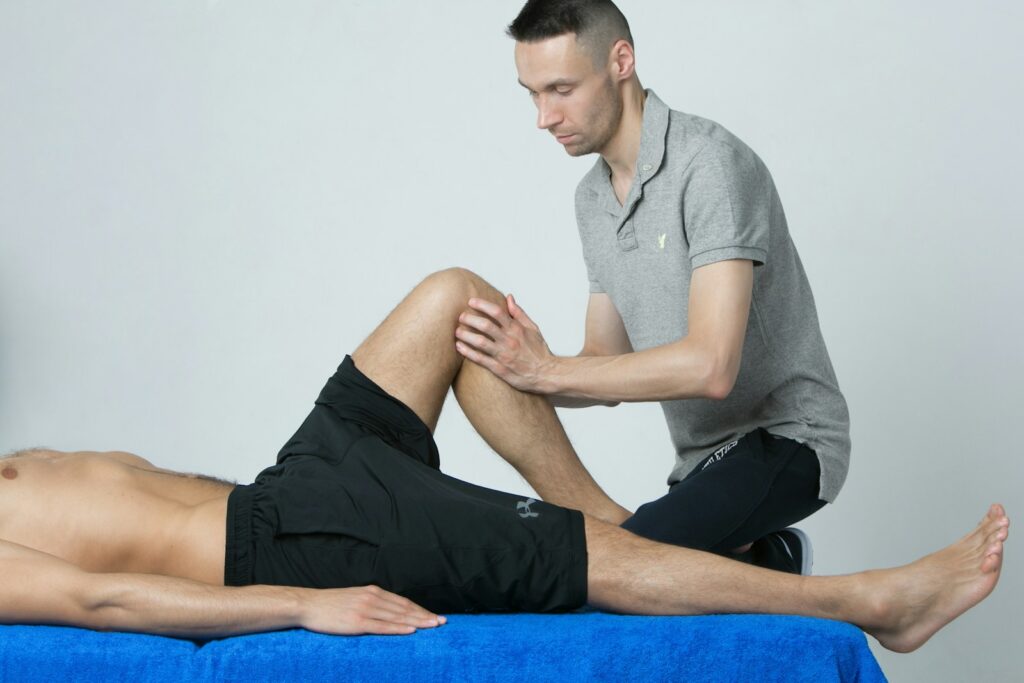
When you schedule your first visit, you’ll typically begin with a conversation about your symptoms, medical history, and daily activities. A chiropractor in Clark NJ will aim to provide clarity, comfort, and a practical plan tailored to your needs. The following steps outline what you can expect and how to prepare for a productive initial visit.
- Describe your symptoms clearly, including when they started, what makes them better or worse, and how they affect sleep, work, and daily tasks.
- Share any prior imaging results (X-ray, MRI, CT) or diagnoses related to your spine or nerves.
- Undergo a physical examination focused on posture, spine mobility, and movement patterns to identify areas of restriction or irritation.
- Receive a basic neurological check to assess strength, reflexes, and sensation in the legs and feet.
- Discuss red flags and safety, and determine whether imaging or a referral is needed before starting care.
- Learn about a personalized plan that may include gentle adjustments, education on body mechanics, and targeted home exercises.
- Agree on realistic goals, expected timelines, and how progress will be tracked during follow-up visits.
- Schedule follow-up visits and agree on criteria for adjusting the plan if progress is slower than anticipated or if symptoms change.
- Bring a list of current medications and any previous imaging orders or results.
- Wear comfortable clothing that allows easy movement and access to the lower back and legs.
Having a clear plan can help you feel more in control and supported as you begin conservative care. If you live in Clark NJ or nearby, your first visit is a pivotal step toward understanding how your body functions and how chiropractic care might help you move more freely.
Treatment Approaches: Gentle, Evidence-Informed Chiropractic Care
Conservative care for sciatica and herniated discs often centers on restoring movement, reducing nerve irritation, and supporting healthy spine function without surgery. A chiropractor uses a range of gentle, patient-centered approaches tailored to your comfort level and goals. These strategies emphasize safety, gradual progression, and practical improvements you can carry into daily life.
Common, evidence-informed elements you may encounter include gentle spinal adjustments focused on restoring normal motion (often with low-force techniques), soft tissue therapy to reduce muscle tension, and guided exercises designed to improve posture, core stability, and mobility. Education about ergonomics for desk work, lifting techniques, and sleep posture is also a key part of ongoing care. While results vary, many patients experience gradual symptom relief and improved function with consistent, personalized care.
For ongoing support, your chiropractor may coordinate with other health professionals if needed, and will emphasize safe activity, gradual loading of the spine, and strategies to prevent re-irritation. If symptoms suggest a different underlying condition or if red flags appear, they will refer you for appropriate medical evaluation. This collaborative, patient-first approach aligns with a careful, evidence-informed path toward better function and quality of life.
If you’d like more reading, reputable health resources offer broad context on these conditions and conservative treatment approaches. For example, Mayo Clinic provides accessible information on sciatica symptoms and causes, while Cleveland Clinic outlines goals for managing a herniated disc with non-surgical care. These resources can complement the guidance you receive from a trusted chiropractor in Clark NJ and help you make well-informed decisions about your care timeline and expectations.
In summary, understanding the difference between sciatica and a herniated disc, recognizing typical symptoms, and engaging in a thoughtful, conservative care plan can support safer movement, better posture, and gradual improvement. If you’re ready to explore options, consider scheduling a no-pressure consultation with Family Chiropractic of Clark, where a patient-centered, gentle approach aims to improve your comfort and function over time.