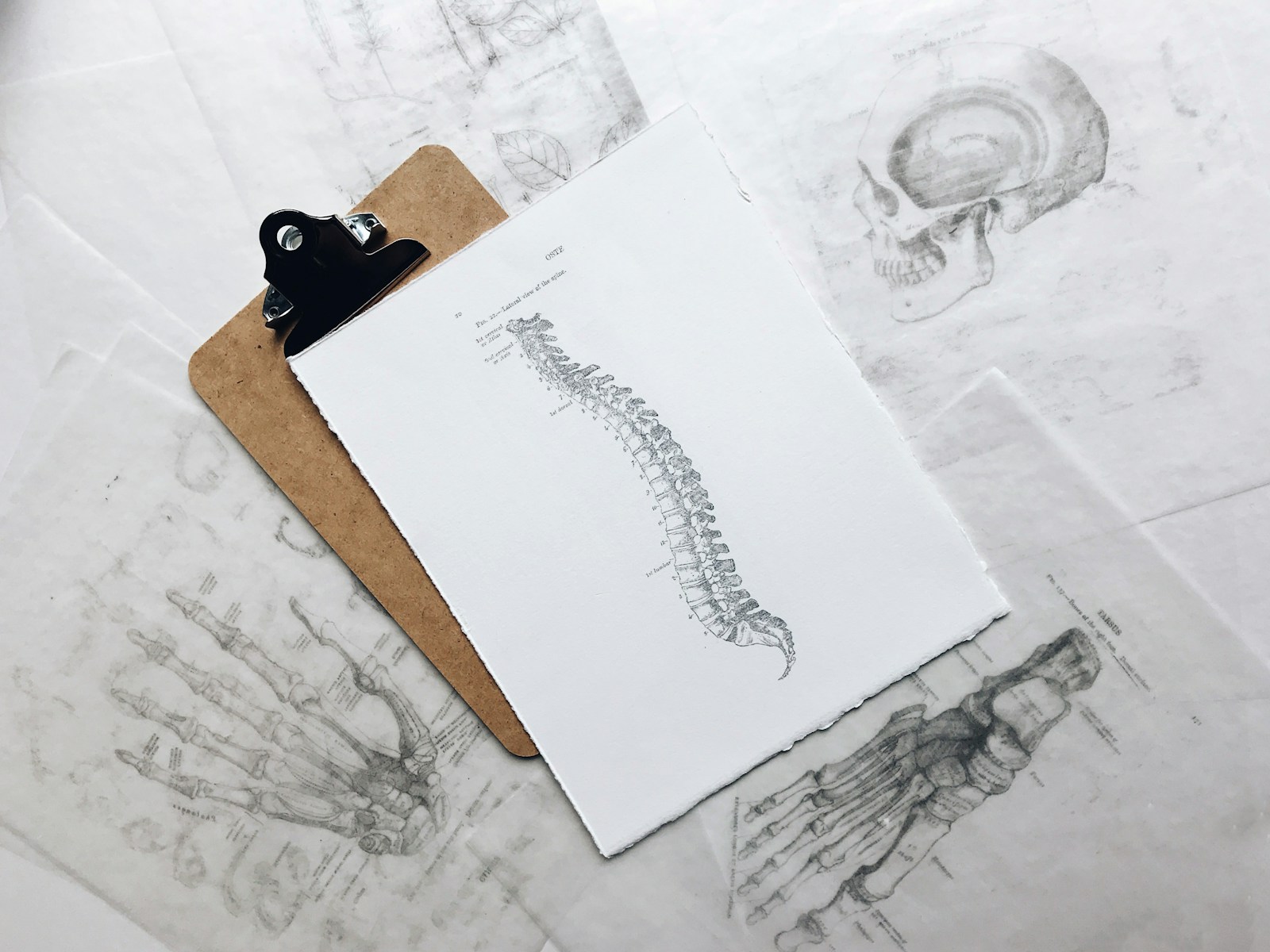
Scoliosis, a condition characterized by an abnormal curvature of the spine, can persist into adulthood or develop later in life. While many people associate scoliosis with adolescents, it’s essential to recognize that adults can also experience symptoms and complications from this condition. In this article, we’ll explore the symptoms of scoliosis in adults, how to monitor it, and the options for conservative care.
Understanding scoliosis is vital, especially for those who may be experiencing discomfort or changes in mobility. Recognizing early symptoms and discussing monitoring techniques with your healthcare provider can lead to better management strategies that focus on improving your quality of life.
Why this matters for people living or working in the area
Whether you live in Clark, NJ, or Manhattan, NY, the busy lifestyle and daily routines may make you unaware of your spinal health. Long hours at work, commuting, and even physical activities can exacerbate symptoms. Being informed about scoliosis can help in recognizing potential issues early on, leading to appropriate care and support.
Recurring patterns and risk factors
Certain lifestyles and habits can contribute to the progression of scoliosis or exacerbate existing symptoms in adults. Common factors include:
- Posture: Poor posture while sitting, especially at desks, can lead to increased spinal strain.
- Aging: As we age, the spine naturally undergoes wear and tear, and this can aggravate existing scoliosis.
- Weight Management: Carrying excess weight can place additional stress on the spine.
- Physical Activity: Inadequate or improper exercise can contribute to muscle imbalances, affecting spinal alignment.
How to spot problem areas in everyday life
Being mindful of your body can help you identify areas of discomfort related to scoliosis. Signs to watch for include:
- Uneven shoulders or hips.
- Back pain, especially after sitting for long periods.
- Difficulties in maintaining proper posture.
- Fatigue after minimal activity.
Prevention strategies by profile
Adopting specific strategies can help manage and prevent the worsening of symptoms related to scoliosis.
Office Workers
For those spent long hours at a desk:
- Invest in ergonomic furniture.
- Take frequent breaks to stand and stretch.
- Practice good posture while seated.
Active Adults
Engagement in physical activities is essential, but:
- Focus on balanced strength training.
- Incorporate flexibility exercises like yoga.
- Be mindful of your body mechanics during workouts.
Seniors
In older adults, maintaining spinal health is crucial:
- Stay active with low-impact exercises.
- Consult a healthcare professional about your exercise regimen.
- Consider physical therapy if experiencing significant pain.
Pregnant People
Pregnancy can alter spinal dynamics:
- Use supportive pillows while sleeping.
- Strengthen core muscles to support your spine.
- Discuss with your doctor about safe stretches and exercises.
Parents & Kids
For parents managing busy schedules:
- Incorporate playtime that encourages movement and flexibility.
- Monitor children for any signs of spinal issues.
- Teach proper lifting techniques when carrying children or heavy items.
What to ask your chiropractor and health team
When seeking care, it’s important to communicate effectively with your healthcare provider. Consider asking:
- What are the most effective conservative treatment options for my condition?
- How often should I schedule appointments for monitoring progress?
- Are there specific exercises I should focus on or avoid?
How to follow credible evidence and guidelines
Staying informed about scoliosis and related care is essential. It’s advisable to consult Evidence-Based Guidelines from respected institutions such as the CDC or NIH. Look for research and resources that are peer-reviewed and recognized in the medical community to ensure you’re receiving accurate information.
FAQ
Here are some common questions regarding scoliosis in adults:
- Will scoliosis worsen with age? Many adults with scoliosis notice symptoms can progress; monitoring is essential.
- Is surgery always necessary for scoliosis? Not necessarily, as many adults find relief through conservative care.
- Can physical therapy help with my scoliosis symptoms? Yes, physical therapy can often help improve flexibility and strength.
- Are there specific exercises I should avoid? Heavy lifting and activities that put excessive strain on the spine should be approached with caution.
- How can I manage pain associated with scoliosis? Conservative care options include stretching, strengthening exercises, and chiropractic care for symptom relief.
- How often should I see a chiropractor for scoliosis? This can vary; your chiropractor can recommend a plan based on your specific needs.
Responsible conclusion
Being proactive about monitoring and managing scoliosis is key to maintaining your overall health and well-being. Collaborate with healthcare professionals to create a plan that suits your lifestyle and needs.
Warning signs
If you experience sudden or severe pain, numbness, weakness in the legs, or difficulties with balance, seek immediate medical attention. These may indicate a more serious condition requiring urgent care.
What to do before / during / after
Before your visit, consider keeping a journal of your symptoms and any triggers. During your appointments, communicate openly about your experiences. Afterward, follow your healthcare team’s recommendations for managing symptoms through daily practices.
Prevention checklist
- Maintain a healthy weight.
- Engage in regular physical activity.
- Practice good posture.
- Stretch daily to maintain flexibility.
- Stay informed about your spinal health.