This article is prepared for parents, guardians, and young people who observe signs of scoliosis in children and adolescents. You will discover when it is worth requesting an evaluation and what to expect from a first visit with a chiropractor in Clark NJ. You will learn to recognize common signs, understand conservative management options, and plan the school routine, sleep, and physical activities. The goal is to support safe decisions, without promising results, based on careful and family-oriented practices.
Scoliosis can evolve during growth, so early detection is important. This guide covers practical signs, simple evaluation criteria, and what to expect from an evaluation with a chiropractor in Clark NJ. We focus on non-surgical approaches, such as gentle adjustments, mobility exercises, and monitoring, always with the child’s consent and participation. The tone is welcoming, so you feel confident to talk to the professional and plan the appropriate care.
What is scoliosis and why it occurs in children and adolescents
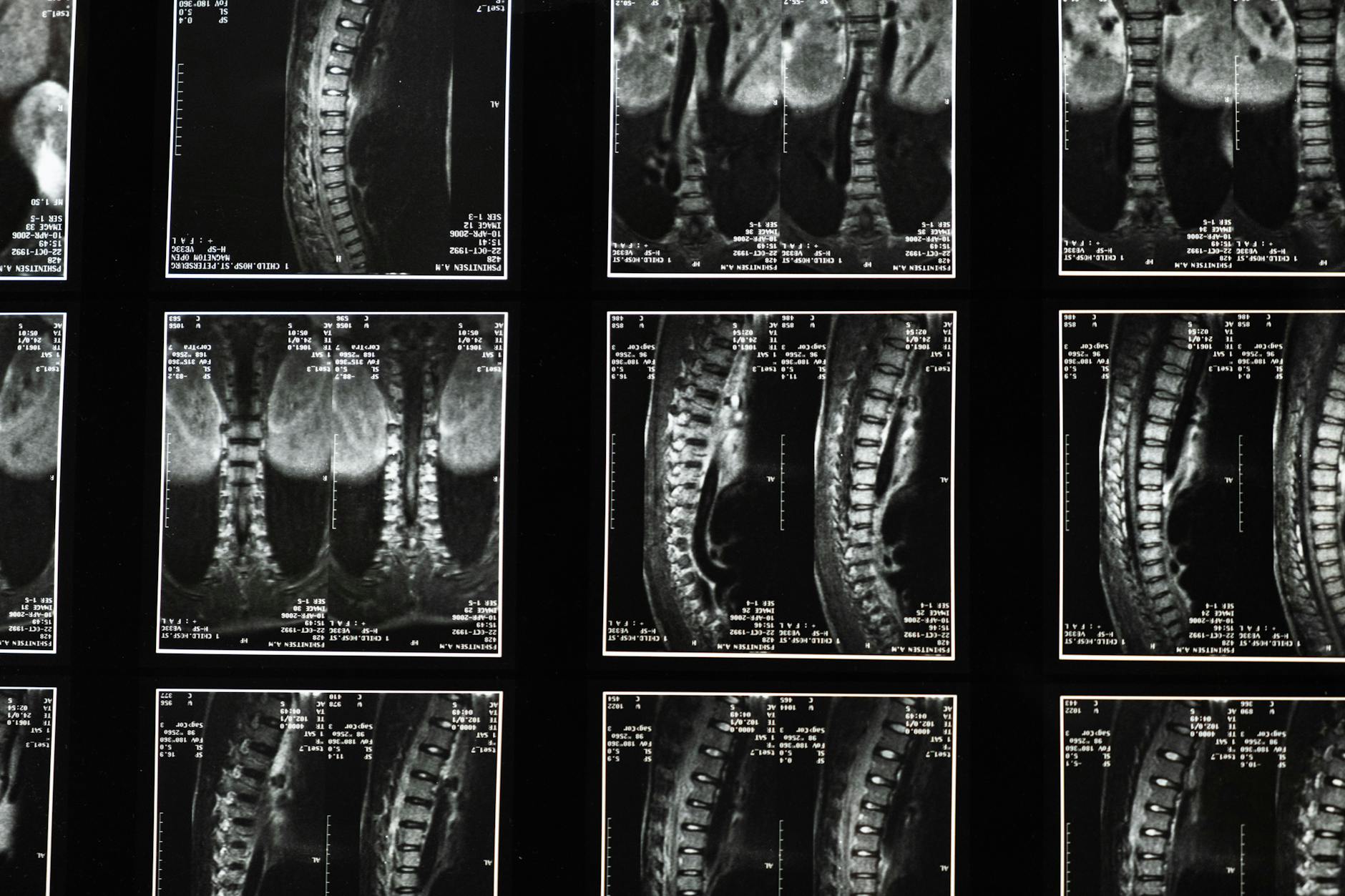
Scoliosis is a lateral curvature of the spine, often accompanied by rotation of the vertebrae. In simple terms, the spine is not straight when viewed from the front and may appear as misaligned shoulders or hips. In children and adolescents, the most common form is idiopathic scoliosis, whose exact cause is not always known; it can progress throughout growth, especially in rapid growth phases.
“Early detection facilitates conservative management options and monitoring throughout growth.”
Common signs and when to seek an evaluation
The most noticeable signs include uneven shoulders, an uneven waistline, and a trunk that appears to lean when observing the child from the front. Sometimes clothing does not hang straight or the asymmetry becomes more evident when the child bends forward. The Adams forward bend test is a simple exam performed by professionals to investigate possible spinal curvature. Seek evaluation if there is persistent pain, worsening over time, movement limitation, or any neurological symptom. In cases of high fever, sudden weakness, or neurological changes, seek immediate medical attention.
“If you notice visible asymmetry or signs that the curvature is increasing, seek medical evaluation as soon as possible.”
How the evaluation with a chiropractor in Clark NJ works

During the consultation, the chiropractor analyzes the medical history, growth stage, and the child’s spinal habits. The physical exam checks posture, spinal mobility, shoulder and hip alignment, as well as strength and range of motion. In some cases, X-rays may be indicated to measure the curvature in degrees. The goal is to understand if the scoliosis is stable or progressing, and which conservative management options are appropriate, including gentle adjustments, targeted exercises, and postural guidance.
For additional reference, recognized sources discuss aspects of scoliosis, warning signs, and conservative management: Mayo Clinic — Scoliose e NHS — Escoliose.
“Note: the evaluation must consider the child’s well-being, focusing on a safe and conservative approach.”
What to expect on the first visit and throughout treatment
On the first visit, expect to discuss the history, observe the posture from the front and side, and ask for simple exercises to assess mobility. The professional can explain the treatment plan, which may include gentle adjustments, stretching and strengthening exercises, as well as postural guidelines and regular monitoring during the growth period. It is also common to talk about school ergonomics, adequate sleep, and physical activities that support spinal function, always with family consent.
“A clear initial consultation should clarify goals, risks, and management options.”
- Bring a complete medical history, information about the onset of the curvature, and recent growth details.
- Bring any previous X-rays or imaging exams, if available, to facilitate comparison.
- Discuss realistic expectations regarding symptom relief, mobility, and functional goals.
- Ask about conservative management options: exercises, stretching, postural education, and gentle adjustments.
- Understand the frequency of visits and what to observe between appointments (curvature progression, pain, fatigue).
- Inquire about daily activities, such as school, chores, sports, and backpack use, to adapt the plan.
- Recognize warning signs that require immediate evaluation (intense pain, sudden weakness, numbness, neurological worsening, high fever).
- Plan follow-up with the healthcare team, including possible referrals to a pediatrician or orthopedist, if indicated.
Next steps and how to schedule
If you live in Clark NJ or the Manhattan area and want reliable guidance on scoliosis in children and adolescents, scheduling an evaluation with a chiropractor is the first step. At Family Chiropractic of Clark, the team can explain conservative management options, answer questions about posture, sleep, school, and physical activities, and monitor the curvature’s development. Contact them through the clinic’s website to check available times and clarify doubts about what to expect on the first visit.
“Schedule your evaluation in advance and actively participate in the child’s care plan, adjusting it as necessary.”