
Whether you’re dealing with sudden sharp low back pain or a nagging ache that won’t quit, this guide is for you. If you’re looking for a chiropractor in Clark NJ, you’ll learn what to expect at your first chiropractic visit for severe lower back pain, including how to recognize warning signs that might signal cauda equina syndrome. You’ll also find practical tips for preparing for your appointment, what a typical visit involves, and how to talk with your clinician about gentle, comfortable options. As a chiropractor in Clark NJ, the team at Family Chiropractic of Clark aims to support you with clear, empathetic guidance and a focus on safety and comfort.
Severe back pain can feel frightening, but not every intense episode means an emergency. The goal here is to help you distinguish mechanical or muscular pain from conditions that require urgent care, with clear steps you can take this week. This article emphasizes safety, awareness of warning signs, and collaboration with a trusted clinic such as Family Chiropractic of Clark. You’ll learn when urgent evaluation is needed, what questions you may be asked, and how to structure your days—sleep, desk work, walking, and light activity—while you pursue care. As a chiropractor in Clark NJ, the clinic’s approach centers on conservatism, comfort, and collaborative decision-making to support your mobility and well-being.a
Cauda equina syndrome: what it is and why it matters

Cauda equina syndrome is a medical emergency that requires prompt evaluation by a clinician. If you notice saddle numbness, new urinary retention, or sudden weakness in both legs, seek urgent care immediately. Learn more.
Cauda equina syndrome (CES) occurs when nerves at the bottom of the spinal cord are compressed or irritated. This is rare but serious, and delaying treatment can increase the risk of lasting nerve damage. Typical signs include saddle anesthesia (numbness in the buttocks, perineal area, and inner thighs), new difficulty with urination or bowel control, and weakness or numbness that affects both legs. Because these symptoms can overlap with common back problems, prompt medical evaluation is essential to determine whether emergency care is needed.
Because CES can progress quickly, it is not something to monitor at home. If any red flags arise, call your local emergency number or go to the nearest emergency department. A clinician will assess your strength, sensation, reflexes, and how your bladder and bowels are functioning, and may order imaging to understand the cause. In cases of suspected CES, time matters, and early intervention tends to improve outcomes.
Recognizing red flags during your back pain visit
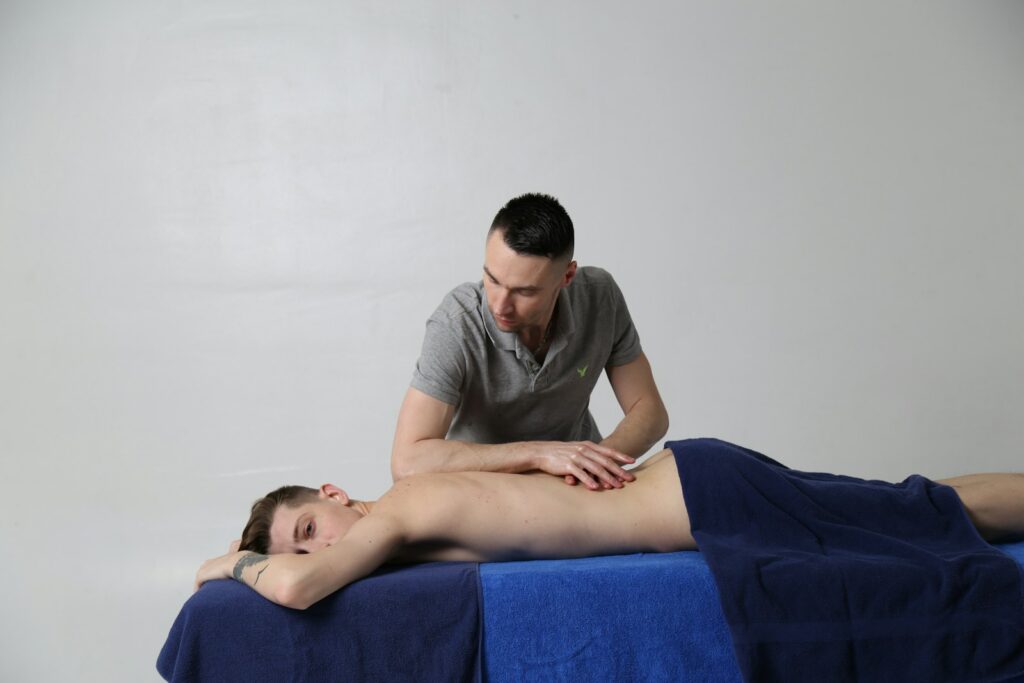
Red flags are warnings that something more serious may be happening. If you notice changes in sensation around the saddle area, new or worsening bladder or bowel control, or sudden progression of leg weakness, seek evaluation promptly. Learn more.
Back pain is common, but certain signals warrant urgent evaluation rather than a routine home remedy. Saddle sensation changes, new incontinence, leg weakness that is not improving, fever with back tenderness, night pain, or a history of cancer or infection should prompt a same-day assessment. If any of these appear, you should not wait to see if it improves on its own; prompt care helps protect nerves and function.
During your visit, your chiropractor in Clark NJ will perform a careful history and a gentle exam to identify red flags and plan next steps. It’s common to combine conservative care with education on posture, movement, and activity pacing while ensuring safety.
Variations in presentation
Cauda equina syndrome and severe back problems do not always look the same. Some patients may have prominent leg symptoms with little numbness in the perineal area, while others notice changes in bladder function first. Age, overall health, and the underlying cause can influence how symptoms appear and how quickly they progress.
Common questions during assessment
Common questions include: Will it hurt to be examined? Do I need imaging such as X-ray or MRI? How many visits might I need? You’ll receive honest guidance based on your symptoms, test results, and response to treatment.
What you can do today
Keep a simple symptom diary: note when the pain started, where it is most intense, what makes it better or worse, and whether you notice any changes in sensation or function. Recording daily activities, sleep quality, and any red flags can help your clinician tailor a safe, effective plan.
What to expect at the first visit with a chiropractor in Clark NJ
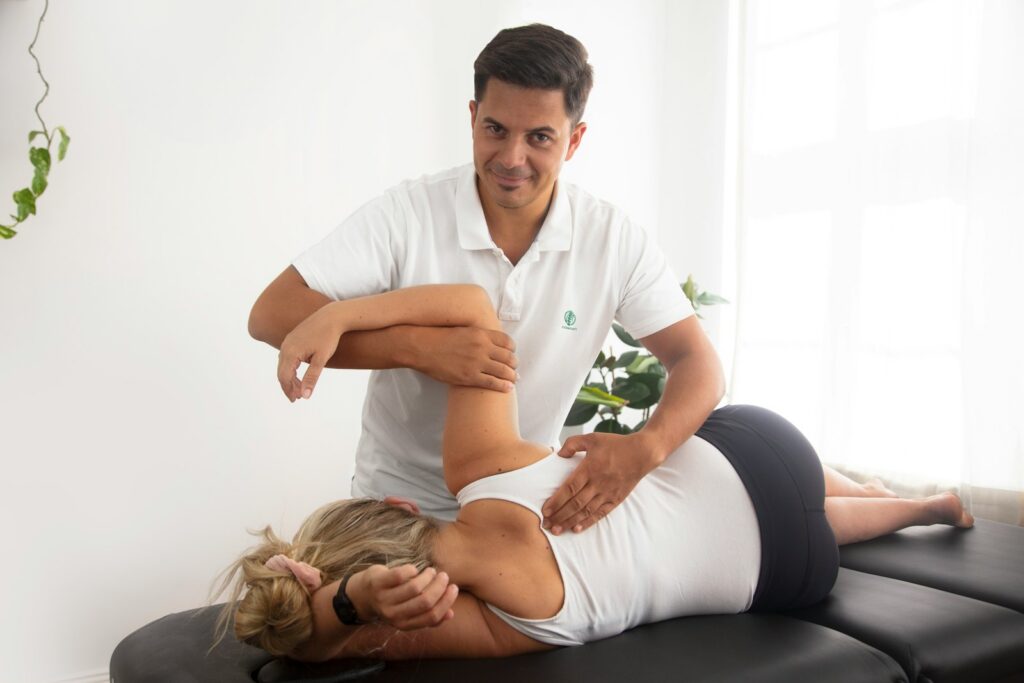
During your first visit, expect a calm, respectful conversation, a focused exam, and a plan that may include gentle adjustments, soft tissue work, and guidance on home exercises. If red flags are identified, your provider may coordinate with your physician or urgent care. Learn more.
Your first visit typically starts with a friendly check-in about your symptoms, medical history, daily routines, and goals for mobility and function. A physical assessment may include posture checks, movement observation, and light neurological screening to understand how pain affects your nerves and muscles. The clinician will explain what they find and discuss conservative options—gentle adjustments, soft tissue techniques, and structured home exercises—before deciding whether imaging such as X-ray or MRI is appropriate. The plan is always individualized, with attention to comfort, safety, and gradual progress.
- Prepare a concise history of symptoms: onset, location, intensity, and triggers.
- Identify red flags that would require urgent care and have emergency numbers ready.
- Bring a list of medications, allergies, and any prior imaging or medical records.
- Describe how pain affects sleep, work, and daily tasks to help prioritize care goals.
- Ask about conservative care options, such as gentle adjustments, soft tissue work, posture advice, and home routines.
- Discuss how care will be coordinated with your physician if red flags are present or if imaging is needed.
- Plan for follow-up visits and progress checks to monitor safety and response to treatment.
If you’d like to discuss your symptoms with a chiropractor in Clark NJ, contact Family Chiropractic of Clark to schedule your first visit.