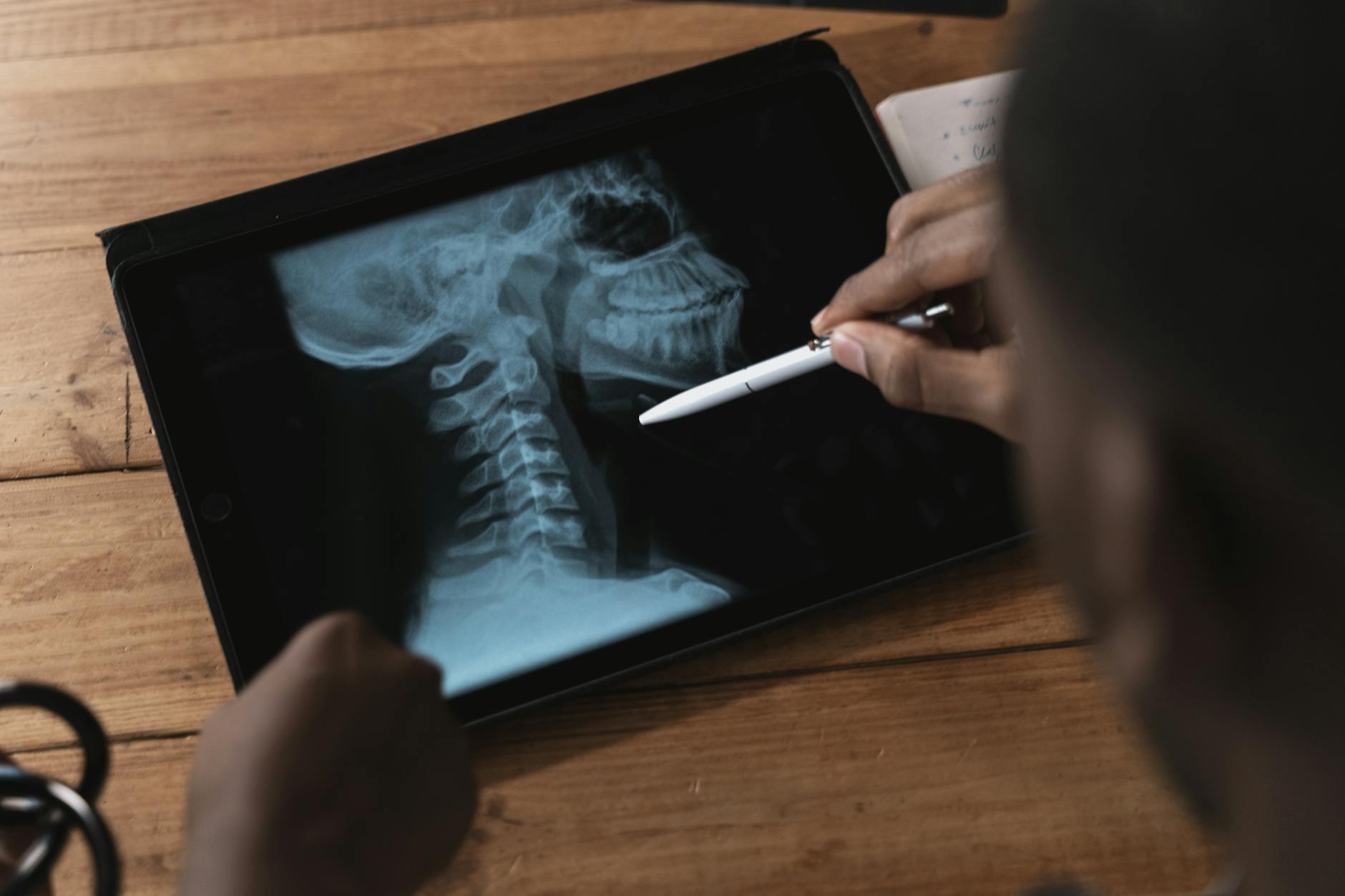
Signs of cervical radiculopathy can appear as neck pain that travels into the shoulder or arm, numbness or a tingling sensation in the hand, or weakness when gripping objects. For readers in Clark NJ and visitors from Manhattan NY who want a practical, non-surgical path, understanding these signs helps you have informed conversations with a clinician who emphasizes conservative care. If you’re seeking a chiropractor in Clark NJ, this guide explains the typical signs, common causes, and sensible, evidence-informed options that fit real life—without hype or fear. You’ll learn what to monitor, how conservative care can help, and when to seek urgent evaluation.
Because nerve irritation in the neck can stem from several issues, symptoms can vary from one person to another. You might notice that certain neck positions or activities trigger or worsen pain, numbness, or weakness into the arm. The aim of gentle, patient-centered care is to reduce nerve irritation, restore comfortable motion, and support everyday tasks—like sleep, desk work, lifting groceries, and light workouts. This article lays out what to look for, which causes are most common, and how a trusted chiropractor in Clark NJ can approach cervical radiculopathy with safety and care.
What Cervical Radiculopathy Is and Why It Matters
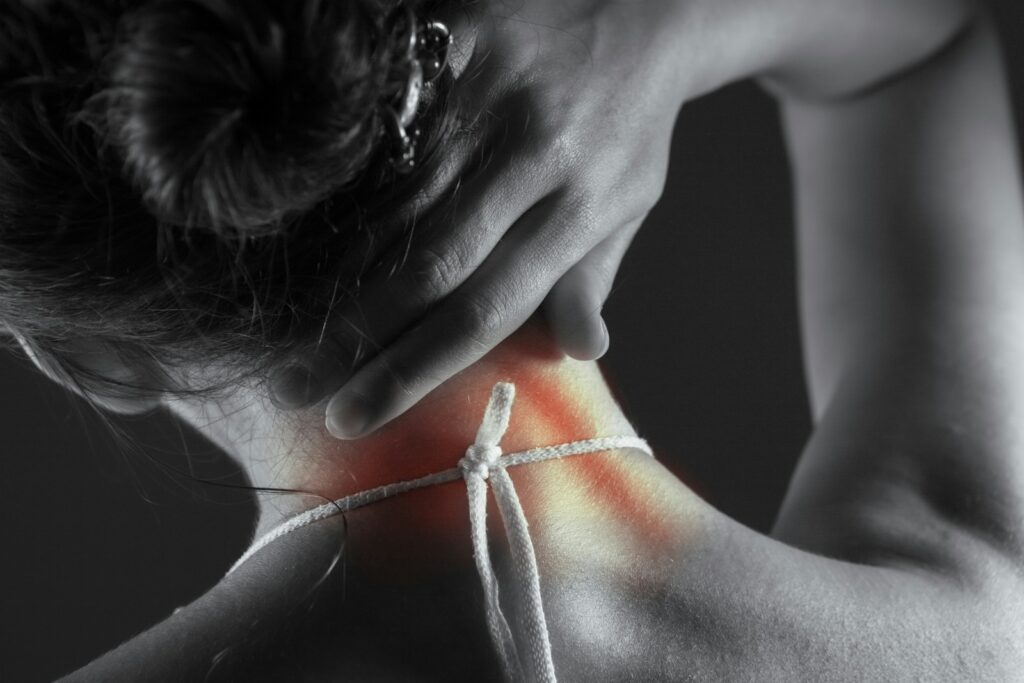
Cervical radiculopathy occurs when a nerve root in the neck becomes irritated or compressed as it exits the spine. This irritation can cause a mix of neck pain and radiating symptoms that follow a nerve pathway into the shoulder, arm, or hand. Because the symptoms involve nerves rather than muscles alone, timely, careful evaluation matters—it helps you avoid unnecessary procedures and aligns treatment with your goals for daily function. For a concise overview from a reputable medical source, see Mayo Clinic: Cervical Radiculopathy.
Signs and Symptoms
Typical signs range from mild to more pronounced, and several may occur together. Common indicators include:
- Neck pain that may extend into the shoulder, arm, or hand
- Numbness, tingling, or a “pins-and-needles” sensation in the arm or hand
- Weakness in the shoulder, arm, hand, or grip
- Radiating pain that follows a nerve pattern rather than a random ache
- Reduced reflexes in the arm or hand or difficulty with coordinated movements
- Worsening of symptoms with specific neck movements or positions
- Headache at the base of the skull, sometimes related to neck posture
Recognizing changes early can guide a careful, conservative approach that emphasizes comfort, function, and gradual improvement.
Causes and Risk Factors
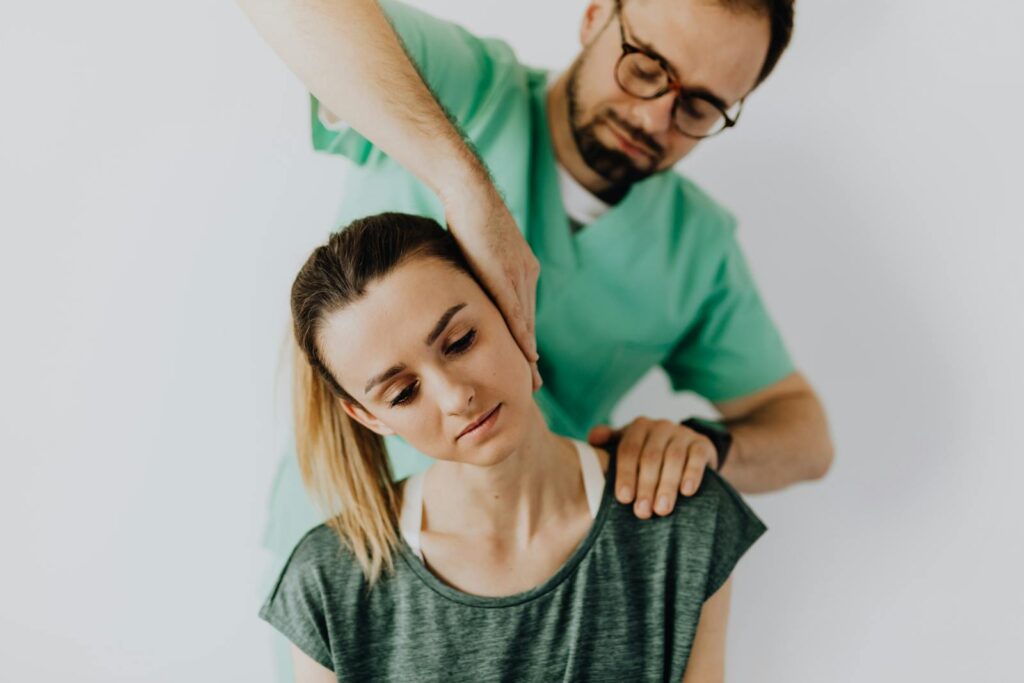
Cervical radiculopathy most often arises from structural changes in the neck that irritate a nerve root. Common mechanisms include a herniated disc, where the jelly-like center protrudes and presses on a nerve; bone spurs or degenerative changes that narrow the passageways through which nerves exit the neck; and foraminal stenosis, a tightening of the openings where nerves exit the spine. While injuries from falls or whiplash can contribute, many cases develop gradually with age-related wear and tear. Lifestyle and posture factors—such as prolonged desk work, heavy bags, improper head-forward posture, or repetitive neck motions—can increase the risk. For context, credible medical resources describe how nerve compression in the neck leads to radiculopathy and symptoms you may notice. See general information at reputable health sites such as Mayo Clinic and NIH-linked pages for patient-friendly explanations.
Because symptoms and underlying causes can resemble other neck or shoulder conditions, a physical exam that looks at neck movement, sensation, reflexes, and strength helps distinguish radiculopathy from other issues. Imaging, when used, is tailored to the individual and typically reserved for specific scenarios or when conservative care isn’t producing expected progress. If you’re seeking a structured plan with a conservative approach, discussing these factors with a chiropractor in Clark NJ can be a prudent next step.
Conservative Care: How a Chiropractor Can Help
Conservative management focuses on reducing nerve irritation, improving neck mobility, and supporting your daily activities without surgery. A chiropractor works with your goals and comfort level, often combining gentle adjustments, soft tissue therapy, mobility exercises, and education on posture and ergonomics. While every case is unique, many people with cervical radiculopathy benefit from a gradual, stepwise plan rather than rapid, aggressive interventions.
- Start with a comprehensive evaluation to identify contributing factors—sensory changes, strength, reflexes, and how neck movements affect symptoms.
- Discuss and choose gentle, low-force techniques when appropriate, prioritizing comfort and safety over speed.
- Incorporate cervical mobilization or soft-tissue therapy to ease tight muscles around the neck and shoulder girdle.
- Introduce targeted neck and shoulder exercises to improve range of motion and nerve glide movements as tolerated.
- Provide posture and ergonomic guidance for work, sleep, and daily activities to reduce mechanical strain.
- Recommend activity pacing and gradual, pain-informed progression of movement based on your response to therapy.
- Prepare a home-care plan that may include simple heat/ice strategies, stretching routines, and self-checks for warning signs.
Throughout treatment, a chiropractor will monitor your progress, adjust the plan as needed, and discuss when a referral to another specialist might be appropriate. The goal is to empower you with practical steps that fit your week—whether you work at a desk, drive long distances, or care for others at home. For readers who want authoritative context, reputable sources describe the role of conservative therapies for radiculopathy and how nerve irritation can respond to non-surgical care.
- Reflect on symptom changes after each visit and note any triggers or improvements.
- Track sleep quality and neck comfort to identify patterns that affect symptoms.
- Maintain an ergonomic workstation with proper chair height, screen position, and neck alignment.
- Practice short, gentle neck movements several times daily to preserve mobility without provoking pain.
- Use heat or cold therapy as recommended to manage muscle tension and inflammation.
- Stay hydrated and maintain overall physical activity within the limits set by your clinician.
- Communicate any new or worsening symptoms promptly to your care team.
- Review safety considerations for driving, lifting, and exercising while you heal.
- Schedule planned follow-ups to reassess symptoms and adjust your plan as needed.
Red Flags and When to Seek Urgent Care
Some signs require urgent medical attention because they may indicate a nerve or spinal problem that could worsen without timely care. Seek immediate evaluation if you notice any of the following: new or progressive weakness in the legs or arms, numbness or tingling that suddenly spreads or becomes severe, loss of bowel or bladder control, severe neck trauma, fever with neck stiffness, or chest pain with neck symptoms. If you experience any red flags, contact emergency services or visit the nearest emergency department right away. For reliable, detailed guidance on red flags and radiculopathy, refer to authoritative resources such as Mayo Clinic and NIH-linked pages.
If you notice sudden weakness, loss of bowel or bladder control, or severe changes in sensation, treat this as an emergency and seek care immediately.
With cervical radiculopathy, timely, conservative care can reduce nerve irritation and support gradual improvement, provided care is guided by professional evaluation and patient comfort.
For readers who want to learn more about evidence-informed, non-surgical options, a conversation with a chiropractor in Clark NJ can help you understand how these approaches apply to your situation. Always remember that symptoms, risks, and treatment responses vary by individual, and a personalized plan is essential for safe, effective care.
If you’re seeking a steady, patient-first path for neck and arm symptoms, consider scheduling an evaluation with Family Chiropractic of Clark. A compassionate, conservative approach can address your signs while prioritizing comfort, function, and gradual progress—helping you stay active and confident in Clark NJ.