Designed for residents of Clark NJ and Manhattan NY who are exploring conservative options for back and neck pain, stiffness, and limited mobility, this article explains how physical therapy and chiropractic care can work together. If you’re looking for a chiropractor in Clark NJ, you’ll find practical insights on how manual therapy, exercise, and movement coaching complement one another to reduce pain and restore function. The goal is to help you talk with your clinicians, understand the plan, and feel confident choosing a care path that fits your life.
While many people ask which approach is best, the reality is that a coordinated plan often yields the most sustainable results. This guide outlines the distinct roles of physical therapy and chiropractic care, common conditions where both can help, safety considerations, and realistic expectations for how many visits you might need. It also offers tips for fitting appointments around work, school, and winter routines, plus a practical checklist to prepare for your first integrated session.

Integrating care from a chiropractor in Clark NJ with physical therapy

Physical therapy focuses on restoring movement through targeted exercises, motor control training, and modalities such as heat, cold, or electrical stimulation when appropriate. Chiropractic care emphasizes joint mobility, spinal alignment, and pain modulation through gentle manual techniques. When used together, they address both the cause of movement limitations and the symptoms that limit daily function. A collaborative plan can adapt to your progress and help you avoid over-reliance on one approach.
“A coordinated plan leverages the strengths of both approaches to address movement and function in a person, not just symptoms.”
Conditions that commonly respond to combined care
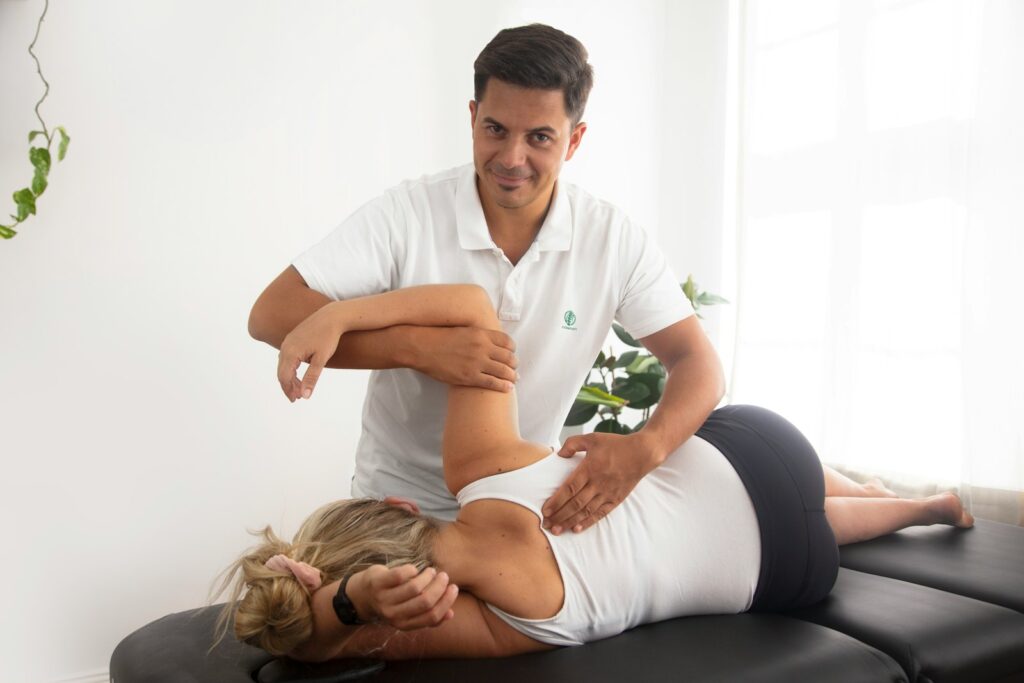
Many people with neck or back pain, tension headaches, or sciatica benefit from a joint strategy. Physical therapy can improve strength, flexibility, and movement patterns, while chiropractic care can relieve joint stiffness and improve alignment that may contribute to pain. The combination can support safer daily activities—driving, lifting, desk work—and help you return to walking, workouts, and parenting with fewer limitations. If symptoms are changing, a coordinated plan allows your clinicians to adjust techniques and intensities accordingly.
“Two clinicians working together can adapt as symptoms change and goals evolve.”
Coordinating care: practical steps
- Begin with a shared assessment or joint communication between your PT and chiropractor to determine if a combined plan is appropriate.
- Clarify your personal goals (e.g., reduce pain to sleep better, return to specific activities, or improve posture during work).
- Develop a written, coordinated care plan that outlines goals, modalities, exercises, and progress checkpoints.
- Decide who treats first, or whether sessions can run concurrently, based on your symptoms and preferences.
- Ensure home exercises and self-care practices align with both providers’ recommendations to avoid conflicting instructions.
- Share progress updates and any new red flags (such as sudden numbness or weakness) promptly.
- Ask about gentle, low-force options if you’re anxious about adjustments or aggressive techniques.
- Schedule regular reassessments to adjust the plan as your movement improves or pain patterns shift.
What to expect during visits and practical tips
During an integrated visit, you may experience a blend of movement-guided exercises, soft tissue work, and targeted manual techniques. Your clinician(s) will explain each step, demonstrate exercises, and guide you through proper form to minimize strain. It’s normal to feel mild soreness after new movements or after the first few sessions; this typically settles as function improves. Comfortable clothing, clear communication about pain levels, and honest feedback help tailor the plan to you.
Checklist for your care coordination
- Bring any imaging reports, previous diagnoses, or relevant test results.
- Wear loose, comfortable clothing suitable for movement tests and demonstrations.
- Note current medications, supplements, and any allergies.
- Prepare a brief summary of symptoms: onset, triggers, and relief factors.
- Identify daily activities you’d like to improve (sleep, desk work, walking, parenting tasks).
- Ask about potential soreness after sessions and safe ways to manage it at home.
- Inquire about available gentle or low-force treatment options if needed.
- Clarify the expected number of visits and milestones for reassessment.
- Plan practical home exercises you can do consistently between visits.
Take the next step
If you’re considering a collaborative approach to back or neck pain, discuss with a clinician how physical therapy and chiropractic care can work together for your goals. A coordinated plan may reduce pain more effectively and help you regain meaningful movement. For tailored guidance, contact your local providers to schedule an initial evaluation and start building a practical, evidence-informed path toward better function.
For evidence-informed perspectives on integrated musculoskeletal care, you can consult resources from reputable bodies such as the American Physical Therapy Association and the American Chiropractic Association, which emphasize coordinated care when appropriate. If you’d like additional reading, reputable health sources like Mayo Clinic offer guidance on pain management and movement strategies.