Whether you live in Clark NJ or spend time visiting family and friends in Manhattan NY, understanding thoracic spine lesions can help you make informed decisions about your health. This guide explains what a thoracic spine lesion is, the common signs you might notice, typical causes, and practical steps to take if you suspect a problem. You’ll learn how a chiropractor in Clark NJ approaches conservative care, what to expect during an evaluation, and how to support your back through daily routines.
Think of this article as an educational check-in rather than a diagnosis. A thoracic spine lesion can arise from several mechanisms, including everyday strain, injury, or less obvious conditions. The information here is designed to help you have productive conversations with a clinician who emphasizes safe, patient‑centered care. If you’re experiencing new, persistent, or worsening mid‑back symptoms, a licensed professional can assess whether imaging or a targeted treatment plan—such as gentle adjustments or movement strategies—might be appropriate and respectful of your comfort and goals.
What is a thoracic spine lesion? Insights from a chiropractor in Clark NJ
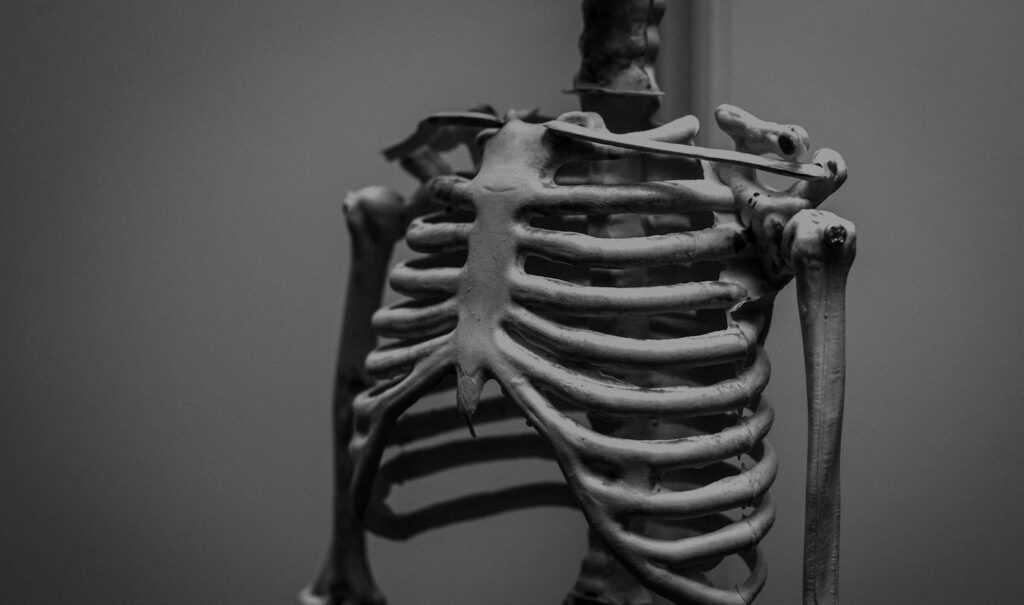
A thoracic spine lesion refers to any abnormal area of tissue or injury affecting the thoracic region of the spine, the mid‑back. The thoracic spine includes 12 vertebrae, labeled T1 through T12, that connect to the ribs and help protect the chest while supporting posture and movement. A lesion can result from trauma, degenerative changes, infection, inflammatory conditions, or tumors, and it may affect bone, discs, nerves, or the surrounding soft tissues. In clinical practice, the term “lesion” is used to describe focal damage rather than a broad, generic complaint.
“A thoracic spine issue can be subtle; early evaluation by a clinician tends to support safer, more targeted care.”
Symptoms and how they present

Symptoms vary with the exact level and the structures involved. Common signs include persistent mid‑back pain that worsens with movement, tenderness along the spine, stiffness, and a reduced range of motion. Some people notice a band‑like sensation around the chest or ribs, which can feel like a bruise or tight belt. If nerves are affected, you might experience numbness or tingling in the torso, weakness in the legs, or changes in reflexes. In rare cases, chest symptoms such as shortness of breath or chest wall pain may occur if nearby nerves or tissues are irritated. If symptoms radiate or involve neurological changes, it’s reasonable to seek professional guidance promptly.
“If symptoms radiate beyond the back or include new weakness, numbness, or loss of control, seek medical evaluation promptly.”
Causes and risk factors
Causes of thoracic spine lesions are varied. Mechanical strain from overuse, poor posture, or improper lifting can irritate thoracic tissues. Degenerative changes, such as osteoarthritis or disc wear, may contribute to localized pain and stiffness. Osteoporosis increases fracture risk in the mid back, particularly in older adults. Infections, including osteomyelitis, though less common, require urgent attention. Tumors, both primary and metastatic, can cause focal lesions and progressive symptoms. Inflammatory conditions like scoliosis or ankylosing spondylitis may alter thoracic spine mechanics. A careful history and physical exam help distinguish these possibilities and guide next steps.
For reference on the broader context of spine health and red flags, reputable sources discuss when to seek care and how imaging decisions are approached in practice: Spine-Health: When should you see a doctor for back pain and Mayo Clinic: Back pain symptoms and causes.
When to seek help and red flags
Urgent medical evaluation is warranted when red flags appear. Seek immediate care if you experience sudden, severe back or chest pain after trauma, numbness or weakness in the legs, loss of bowel or bladder control, fever with spinal tenderness, signs of infection, or progressive neurological symptoms such as new gait instability or coordination problems. Even without a major event, persistent pain that lasts beyond a few weeks, worsens despite self‑care, or limits daily activities deserves an assessment by a clinician who can determine whether imaging or a structured treatment plan is appropriate. If you live in Clark NJ, a chiropractor can discuss conservative options and coordinate care with other specialists as needed.
“Early assessment often leads to safer, more effective care and helps you stay active.”
What to do if you suspect a thoracic spine lesion
Taking thoughtful, patient‑centered steps can help you get an accurate assessment and a plan that matches your goals and comfort.
- Document onset, duration, and pattern of symptoms—note what makes them better or worse and any associated activities.
- Avoid risky self‑manipulation or aggressive cracking at home; these can worsen the condition or delay proper diagnosis.
- Schedule a formal evaluation with a licensed clinician who can perform a thorough neurological exam and mobility assessment. If you’re in the Clark NJ area, a chiropractor in Clark NJ can guide you through conservative options and help determine if imaging is needed.
- Bring a symptom diary, complete medical history, current medications, and any prior imaging or treatment results to your appointment.
- Discuss imaging options with your clinician; MRI or CT may be considered if red flags are present or if symptoms persist despite initial care.
- Follow a personalized care plan that may include gentle adjustments, posture and ergonomic guidance, targeted exercises, and a gradual return to activity, while tracking progress and reporting any new or worsening symptoms.
For ongoing education and to support safe care choices, you can consult reputable resources on back health and spine conditions, and talk with a trusted local clinician who can tailor recommendations to your situation. If you’d like to learn more about how conservative care can fit into your plan, consider reaching out to Family Chiropractic of Clark for a comprehensive, patient‑centered approach that respects your comfort and goals.