If you wake with jaw pain, hear clicking when you chew, or feel neck stiffness that slows your day, you are not alone. TMJ disorders and neck alignment are common concerns that affect daily activities like sleeping, driving, or lifting a child. This article is written for readers exploring conservative care from a chiropractor in Clark NJ or Manhattan NY who want practical, evidence-informed guidance. You’ll learn how the jaw joint (the temporomandibular joint) and the cervical spine interact, what signs suggest a shared mechanical issue, and what you can expect from a first visit. By understanding the connection, you can make thoughtful decisions about what care feels right for you and how to support your body between appointments.
Because the jaw and neck share muscles, nerves, and connective tissue, problems in one area can influence the other. A gentle, patient-centered approach—focusing on posture, movement, and muscle balance—often helps reduce pain and improve function without relying on drugs or invasive procedures. This article outlines the basics in plain language, common symptoms, red flags that require urgent care, and what typically happens at your first appointment with a clinician who emphasizes conservative care. While every person is unique, you’ll gain a clearer view of how jaw alignment and neck posture interact and what a typical first visit might involve in a family chiropractic setting. If you’re seeking a chiropractor in Clark NJ, this guide aims to support your decision with practical steps and realistic expectations.
Understanding the TMJ–Neck Connection
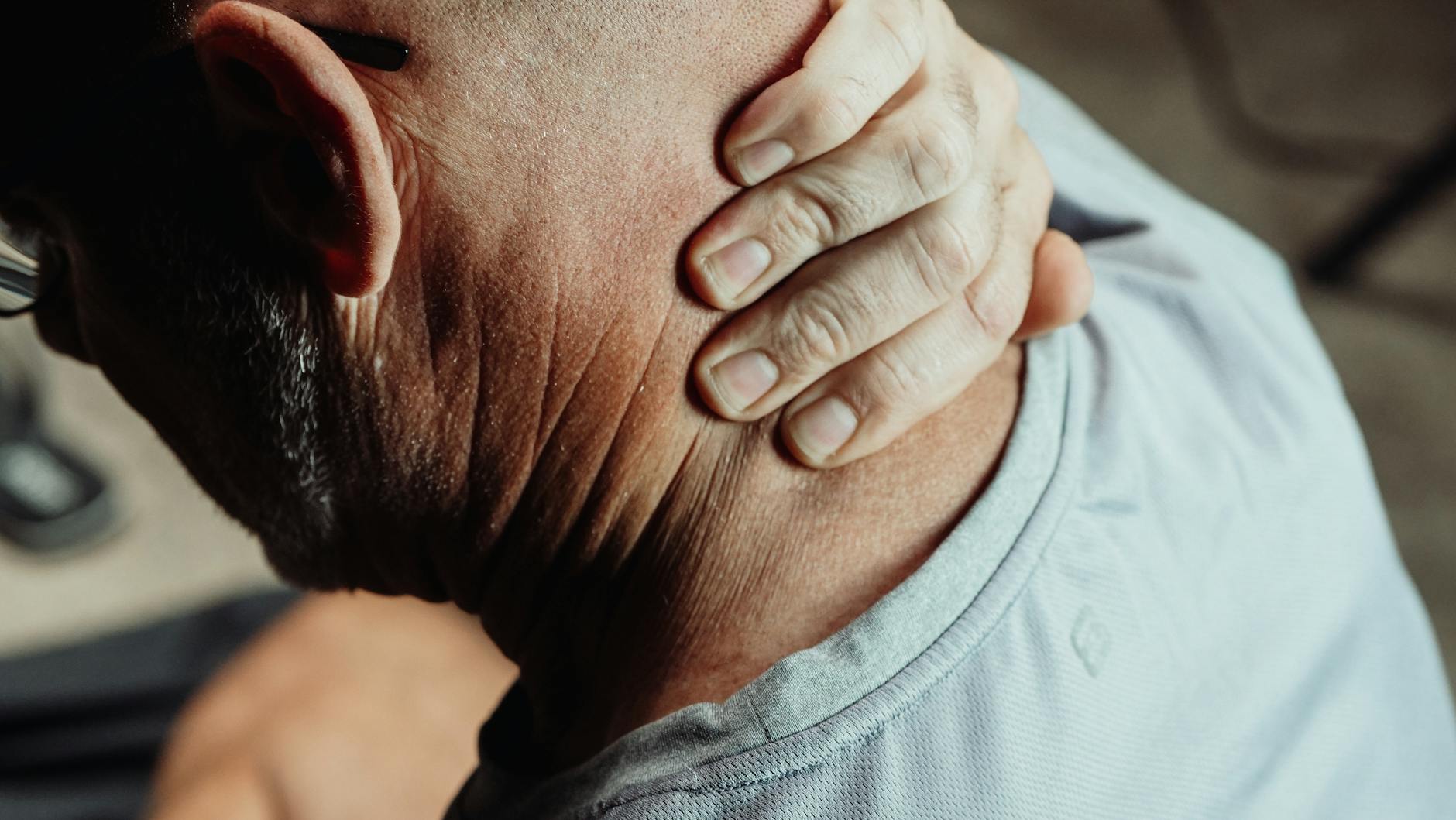
The temporomandibular joint (TMJ) is the hinge that connects your jaw to your skull. The neck (cervical spine) supports the weight and movement of your head, and its alignment influences how the jaw functions. The two regions share several muscle groups, including muscles of chewing, facial expression, the trapezius, and deep neck muscles. When posture shifts—such as slumped shoulders at a desk or tensing the jaw during stress—tension can travel along fascial planes and nerves that serve both areas. This interconnected system means that a problem in the jaw can contribute to neck stiffness, and conversely, neck misalignment or chronic muscle tension can affect how the jaw opens, closes, or moves laterally. A balanced approach that respects these links often helps reduce pain and improve function for many patients.
“The jaw and neck are part of a connected system. When one part carries extra tension, the other often adapts, so a holistic, conservative approach addresses both together.”
Symptoms that Cross Jaw and Neck Areas
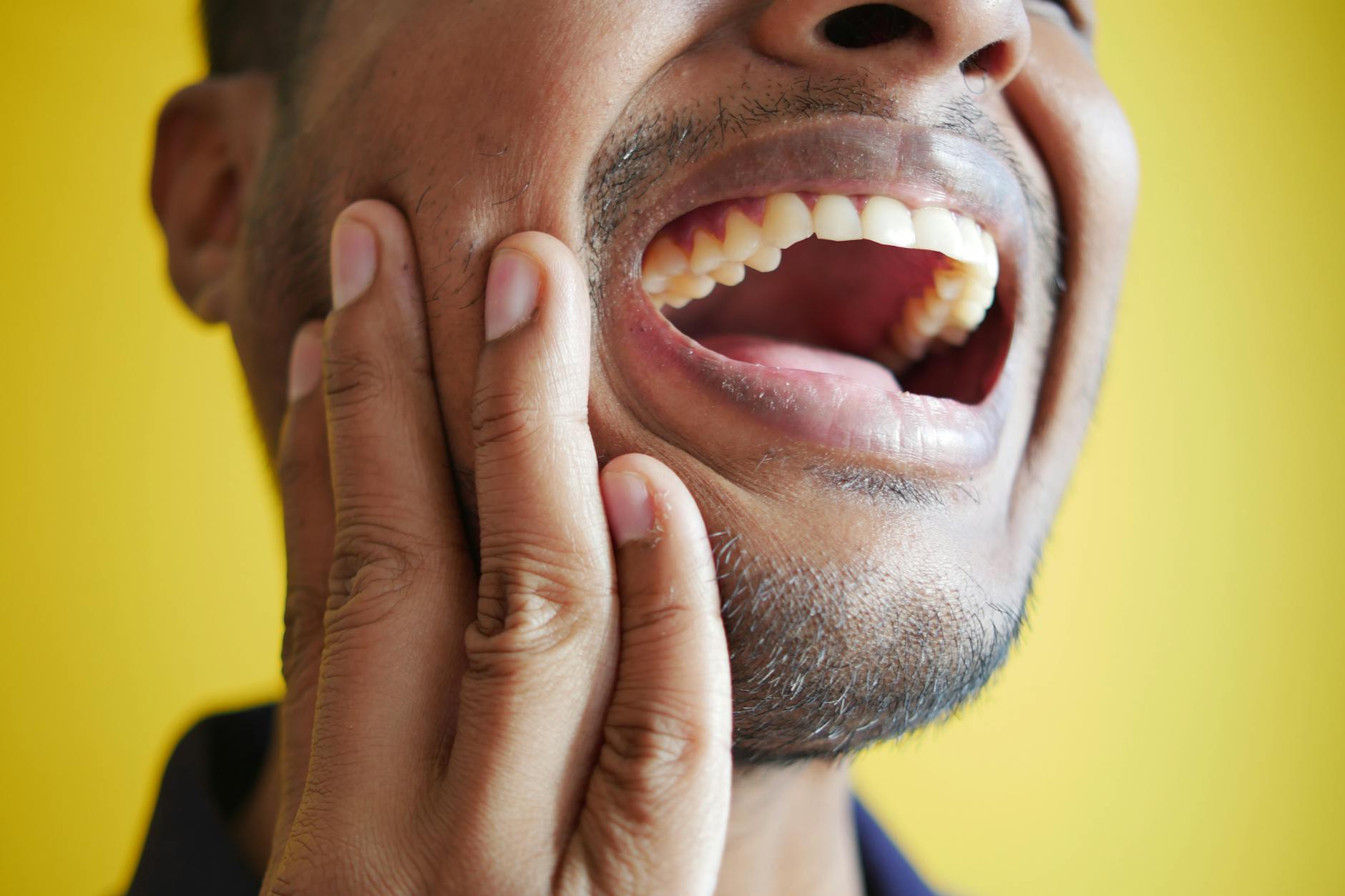
Many people notice a pattern of symptoms that encompass the jaw and the neck. Common signs include pain or tenderness in the jaw around the TMJ, intermittent headaches that start at the base of the skull or near the temples, clicking or popping sounds when opening or closing the mouth, and a sensation of limited mouth opening. Neck symptoms —stiffness, tightness, or a sensation that the head feels awkward— often accompany jaw discomfort. You may also feel tension in the upper shoulders, frequent jaw clenching, or changes in bite or chewing efficiency. In some cases, ear fullness or mild facial numbness may occur, which professionals interpret as a sign of shared muscle and nerve pathways, and not as a primary ear problem. If these symptoms persist or worsen with activity, it is reasonable to seek a professional evaluation to assess how jaw and neck mechanics interact.
To provide context, reliable resources describe TMJ disorders as a spectrum of problems that can involve joint function, muscle tension, or both. If you want to explore the context more deeply, you can consult established references from major medical organizations that discuss the structure, function, and common treatment principles of the TMJ. (External resources: Mayo Clinic TMJ Overview; NIH information pages.
What to expect from your first visit to a chiropractor in Clark NJ

A typical first visit focuses on listening to your story, examining how your jaw and neck move, and outlining a plan that respects your goals and comfort level. You’ll have a chance to share when symptoms started, what activities seem to aggravate or relieve them, and how your daily routine affects your posture. The clinician will assess jaw function—opening, closing, and movements to the sides—and evaluate neck alignment and range of motion. Gentle palpation of jaw and neck muscles may be used to identify areas of tenderness or tightness. A crucial part of the process is to discuss what you want to achieve—whether that’s reducing pain, improving range of motion, or diminishing morning stiffness—so the plan is tailored to you and your life.
“During the first visit, the clinician will listen closely to your story, assess jaw and neck function, and tailor a plan that respects your comfort level.”
- Review your medical history and current symptoms to understand the pattern and triggers.
- Describe daily activities and stressors that may affect jaw and neck function.
- Undergo a gentle physical assessment focusing on jaw function and neck alignment.
- Perform functional tests of jaw opening, lateral movements, and neck range of motion.
- Conduct a postural and muscular balance assessment to identify contributing patterns.
- Discuss treatment options, including gentle adjustments, soft tissue work, and at-home exercises.
- Establish a preliminary care plan and a realistic visit schedule based on your needs.
- Receive guidance for at-home jaw and neck care, including ergonomics and sleep posture tips.
A Practical Plan: Gentle Care and Home Care
Many people benefit from a conservative approach that emphasizes noninvasive, low-force techniques. A family chiropractor might combine gentle joint mobilization with targeted soft tissue therapy to reduce muscle hyperactivity around the jaw and neck. In addition, posture coaching, ergonomic adjustments for desk work, and a simple set of jaw and neck exercises can help restore balanced movement and reduce strain. The goal is to support your body’s natural healing processes while giving you practical tools you can use daily. If you’re unsure about a particular technique, ask about gentler alternatives—there are often multiple paths to achieving similar improvements, and comfort is a priority in every step of the plan.
Red Flags and When to Seek Urgent Care
Most TMJ–neck concerns are manageable with conservative care, but some symptoms require urgent attention. Seek immediate medical care if you experience sudden, severe facial swelling, fever with jaw pain, difficulty breathing or swallowing, or a jaw locking that prevents you from opening your mouth. Neck pain with new numbness or weakness in the arms or legs, chest pain, or sudden severe headache with neck stiffness can be signs of a more serious condition. If you’ve recently had a significant head or neck injury, or if pain worsens rapidly despite rest and basic care, consult a clinician promptly. This article provides educational information and does not replace an in-person evaluation by a licensed professional.
It’s important to work with a trusted clinician who can guide you through a careful assessment and a safe, personalized plan. If you live in Clark NJ or the surrounding area, scheduling a consultation with a chiropractor who emphasizes conservative care can help you determine whether addressing jaw and neck mechanics together is the right path for you. Always err on the side of caution when red flags are present, and seek urgent care when those signs appear.
In summary, a coordinated approach to TMJ disorders and neck alignment can often improve comfort and function by addressing shared muscular patterns, joint mechanics, and daily habits. If you’d like tailored guidance for your situation, call or visit Family Chiropractic of Clark to discuss how a thoughtful, gentle care plan might help you move more freely and with less pain.
If you’re ready to take the next step, consider scheduling a no-pressure consultation with a clinician who specializes in conservative care. For patients in Clark NJ and Manhattan NY, we’re here to help you understand the connection between your jaw and neck, and to support you with practical strategies for everyday life—sleep, desk work, parenting, and movement through winter days with less pain and more comfort.