If you’re exploring neck and upper body symptoms and wondering what a chiropractor in Clark NJ can offer, you’re not alone. This guide is designed for patients who want clear, practical information about thoracic outlet syndrome (TOS) and the difference between nerve- and vascular-related symptoms. You’ll learn how these two patterns present, how a conservative, patient-centered approach can help, and what to expect during a focused first visit that emphasizes gentle, evidence-informed care. By understanding the basics, you can make confident choices about your care journey, whether you live in Clark NJ or travel from Manhattan NY.
Thoracic outlet syndrome happens when nerves or blood vessels are compressed as they pass through the space between the neck and the shoulder. The symptoms you notice may involve nerves, blood vessels, or both, and they often flare with posture, activity, or repetitive motions. In Clark, NJ or New York City, many people find it reassuring to learn how nerve-related symptoms differ from vascular changes and how a conservative plan—centered on gentle adjustment, posture correction, and home exercises—fits alongside your daily routines. This article outlines those differences, with practical steps you can start this week.
What a chiropractor in Clark NJ looks for: nerve vs vascular symptoms

Thoracic outlet syndrome (TOS) is not a single disease, but a cluster of conditions where nerves or blood vessels are compressed as they pass through the thoracic outlet—the space between the neck and the armpit. Nerve-related TOS tends to produce numbness, tingling, or weakness in the arm or hand, while vascular TOS can lead to changes in color, temperature, or pulse in the same region. Understanding which system is affected helps tailor the care plan and set realistic expectations for recovery.
“Nerve symptoms may include numbness, tingling, or weakness in the hand or fingers, often with overhead activity.”
According to credible sources like Mayo Clinic, symptoms can involve nerves or blood vessels and vary by person. During a visit, a chiropractor will take a detailed history, perform a focused physical exam spanning neck, shoulder, and upper limb function, and use noninvasive checks to differentiate nerve versus vascular involvement. The goal is to identify patterns that point to TOS while ruling out other conditions with similar features.
These evaluations are designed to be gentle and informative, focusing on how your body moves and how your daily activities factor into symptoms. If imaging or referrals are needed, the plan will reflect your preferences and comfort, prioritizing conservative care whenever appropriate.
Nerve symptoms: what to notice
Nerve symptoms in TOS often start in the shoulder, arm, or hand, and may travel down to the fingers. Common signs include numbness, tingling, burning, or a sense of weakness in the arm or hand. These sensations can be triggered by overhead reaching, carrying heavy bags, or prolonged typing at a desk. It’s common for the pattern to be inconsistent, and some days feel better than others, which can be confusing without a clear picture.
“Nerve symptoms tend to be numbness or tingling in the fingers, and may be accompanied by subtle weakness.”
If nerve symptoms persist or worsen with specific movements, or if they are not explained by a simple muscle strain, a clinician may combine posture coaching with gentle, low-force techniques to relieve pressure on the nerve pathways. The emphasis is on conservative care that respects your comfort and pace of improvement.
Vascular symptoms: what to notice

Vascular symptoms reflect changes in blood flow and may present differently from nerve symptoms. Look for color changes in the hand or fingers (pale, blue-tinged, or red), cold sensitivity, swelling, or a weaker pulse in the affected arm. These signs often become more noticeable with activity or when you raise your arms. If you notice persistent color changes, swelling that doesn’t improve, or new shortness of breath, seek urgent care.
“Vascular signs may include color changes, cold hands, or a diminished pulse in the affected arm.”
In a chiropractic setting, practitioners recognize that vascular symptoms can sometimes accompany nerve symptoms. The treatment plan may include ergonomic guidance, gentle mobilization, and coordinated care with other professionals if imaging shows vascular concerns. The goal is to support safe movement and blood flow while avoiding interventions that could worsen perfusion.
What to expect on your first evaluation and next steps
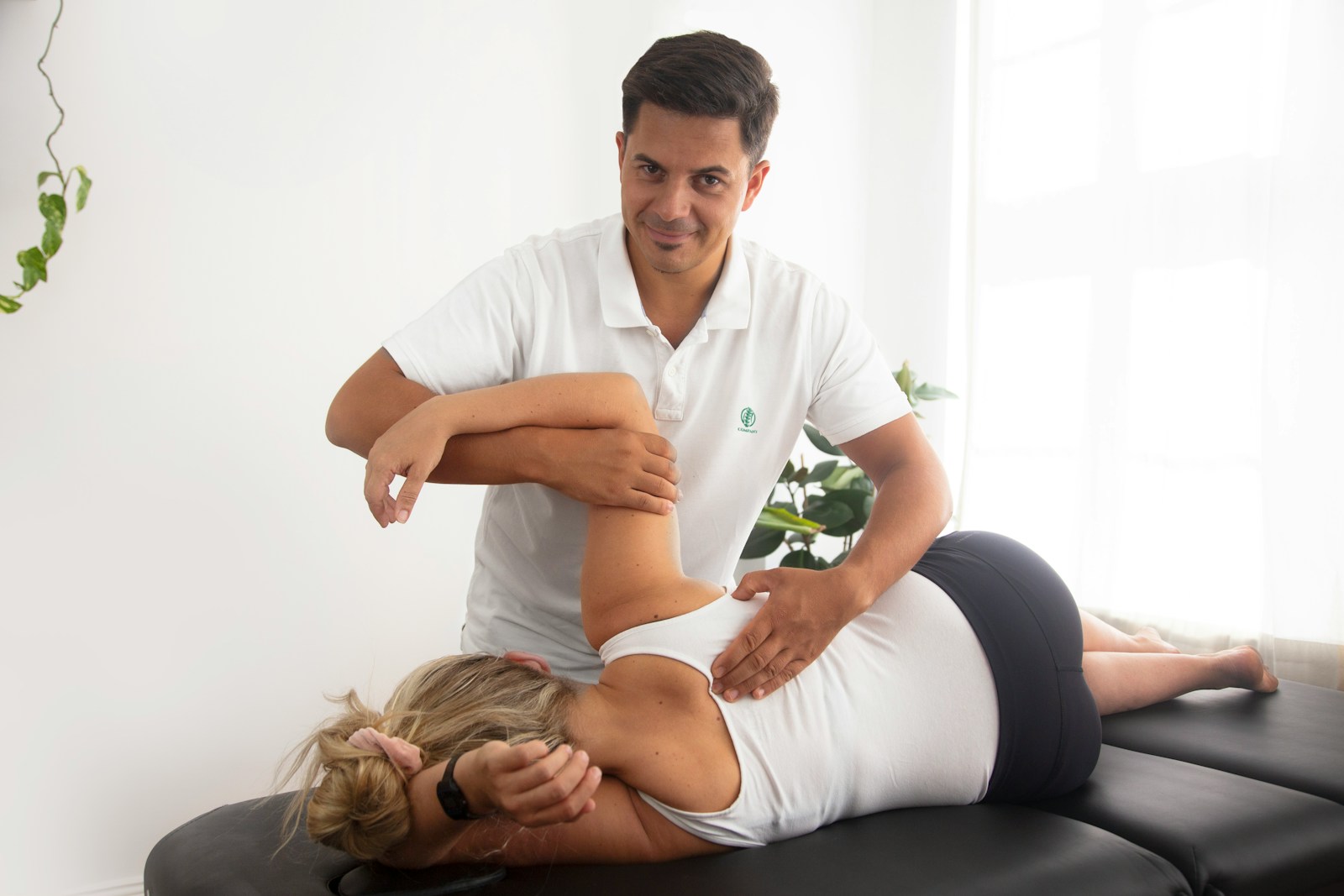
During your first evaluation, you’ll be asked about your symptoms, work and activity habits, and prior injuries. The clinician will assess posture, neck and shoulder mobility, and check for signs that indicate which structures may be affected. A conservative plan may include gentle adjustments, soft tissue therapy, home exercises, and practical strategies to modify daily tasks. When appropriate, follow-up visits are scheduled to track progress and adjust the plan.
- Provide a complete symptom history, including where pain or numbness starts and how it travels.
- Share daily activities, posture, repetitive tasks, and overhead motions that may aggravate symptoms.
- Undergo a focused physical exam of the neck, shoulder girdle, and upper limb, plus simple checks of pulse and limb perfusion as appropriate.
- Discuss red flags and safety, including signs that require urgent care (severe chest pain, sudden weakness, or blue coloring).
- Review imaging or prior test results if available and decide if new tests are needed.
- Agree on a conservative care plan that may include gentle adjustments, soft tissue therapy, home exercises, and ergonomic guidance, with follow-up schedule.
If you have questions about thoracic outlet syndrome or would like to discuss a gentle, evidence-informed plan, consider a compassionate, patient-first visit with Family Chiropractic of Clark—serving patients in Clark NJ and nearby Manhattan NY—for a careful, conservative approach that respects your pace and goals.