Back pain can be a signal that needs careful attention, especially when it comes on suddenly and is localized near the spine. If you live in Clark, NJ or Manhattan, NY, understanding when back pain might indicate a compression fracture helps you decide whether to seek urgent care or imaging and what conservative care options a family chiropractor may discuss. This guide focuses on signs, risk factors, and practical treatments in a way that is direct, hopeful, and easy to apply in your daily routine. By knowing what to look for, you can make informed choices about your spine health with a chiropractor in Clark NJ as a trusted partner when appropriate.
This information aims to empower you to recognize warning signs, understand the risks that raise suspicion for a compression fracture, and explore practical, conservative care options. If you’re navigating back pain in a busy week of work, parenting, and commuting, it helps to have clear steps you can take now and questions to bring to your next appointment with a chiropractor in Clark NJ. Remember, this educational resource is not a substitute for an in-person evaluation, but it can help you prepare for a safe, collaborative discussion about your care.
Signs that back pain may indicate a compression fracture
Compression fractures commonly cause sudden, localized back pain that may worsen when you stand or walk. You might notice tenderness along the middle or lower spine, and some people report a slight shortening of stature or a rounded upper back over time if multiple fractures occur. If the pain started after a fall, heavy lift, or even a strong sneeze, it’s important to consider imaging to confirm whether a fracture is present. Red flags include numbness, tingling, or weakness in the legs, which could indicate nerve compression, and this requires prompt evaluation by a clinician. For residents seeking guidance, a chiropractor in Clark NJ can help you interpret symptoms and discuss next steps, including safe movement strategies during healing.
Compression fractures are typically diagnosed through imaging, and early evaluation can prevent further injury and guide you toward appropriate care.
Risks and red flags to watch
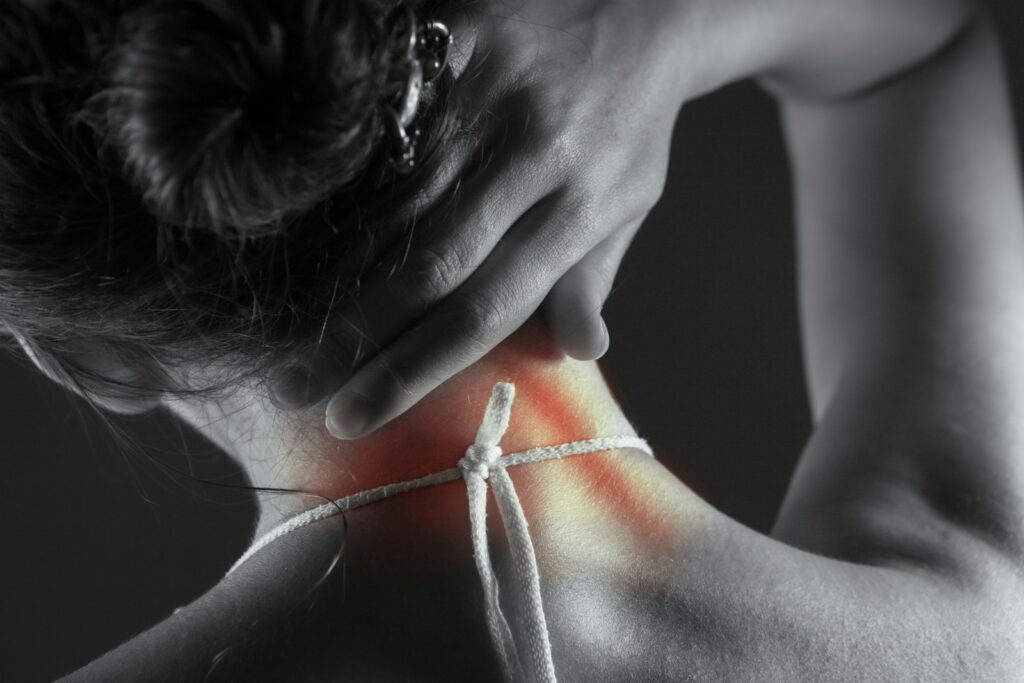
Several factors raise the likelihood that back pain could be due to a compression fracture. Age-related bone loss, osteoporosis, or prolonged use of medications that affect bone strength can increase fracture risk. A history of cancer, radiation therapy, or vertebral metastases, as well as a recent major trauma, also warrants careful assessment. Other risks include a very tall or very thin frame, a sedentary lifestyle, smoking, and poor nutrition. If you notice progressive pain, new numbness or weakness, fever with back pain, or a sudden inability to walk, seek urgent medical care. A calm, patient-centered discussion with a chiropractor in Clark NJ can help you understand how these risk factors apply to your situation and what testing might be needed.
When back pain is paired with red flags such as weakness, numbness, or bowel or bladder changes, urgent evaluation is essential to rule out a compression fracture or other spine injuries.
- Note the event: was the onset after a fall, a heavy lift, or a twisting motion?
- Limit activities that worsen the pain and avoid bending or twisting the spine excessively.
- Check for red flags: new numbness, weakness, loss of bowel/bladder control, fever, or severe, intolerable pain.
- Arrange timely imaging as recommended by your clinician (X-ray, MRI or CT) to confirm a fracture.
- Discuss pain management options with your care team, including conservative approaches and safe medications.
- Plan a follow-up to monitor healing, adjust activity, and begin a gradual return to function.
Treatments and conservative care

Conservative care for a compression fracture focuses on controlling pain, protecting the spine during healing, and maintaining mobility. Options often include activity modification, bracing for stability, and targeted exercises to support posture and core strength. Gentle, non-invasive approaches—such as soft-tissue care and education on safe movements—are commonly used, with a careful assessment of when more active therapies are appropriate. A family chiropractor can tailor a plan that respects your comfort level and avoids aggressive manipulation while the fracture heals.
Evidence supports a patient-centered approach that emphasizes gradual activity, posture awareness, and safe, low-impact therapies as part of spine fracture recovery.
When to seek urgent care or imaging
Urgent evaluation is indicated if you experience severe or escalating back pain after trauma, new neurological symptoms such as numbness or weakness in the legs, loss of sensation in the saddle area, or changes in bowel or bladder function. Persistent pain that does not improve with gentle measures over a short period, fever with back pain, or a history of osteoporosis or cancer also warrants prompt assessment. If you’re unsure, contacting a healthcare professional who can coordinate imaging and interpretation—such as a chiropractor in Clark NJ—can help ensure you receive appropriate guidance and avoid delay.
- Keep a simple pain and function diary to track changes over time.
- Avoid heavy lifting and high-impact activities until cleared by your clinician.
- Use suggested posture and movement strategies to protect the spine during daily tasks.
- Ask about imaging options (X-ray, MRI) to confirm whether a fracture is present.
- Discuss osteoporosis risk assessment and bone health optimization as part of the plan.
- Coordinate care with your primary physician and, if indicated, a spine specialist.
- Inquire about safe rehabilitation options and the role of physical therapy.
- Seek immediate care if new or worsening neurological signs appear.
- Follow up for plan adjustments as healing progresses.
Next steps: Getting started with care
If you suspect a compression fracture or want a professional evaluation to ease your concerns, Family Chiropractic of Clark offers a conservative, patient-centered approach designed to protect your spine and support gradual healing. A thorough history, careful examination, and evidence-informed discussions help you understand the most practical next steps, including safe movements, posture improvements, and a roadmap for bone health. We work with you to keep daily life—sleep, desk work, driving, and activity—as functional and comfortable as possible.
Taking an informed, collaborative approach matters. If you’re in Clark NJ or Manhattan NY and you’re considering chiropractic care, reach out to a chiropractor in Clark NJ to discuss whether imaging is appropriate and what a gentle, low-force treatment plan could look like during recovery. You can also review credible resources for spine health to support decision-making and safety during healing.
“I want to understand my options and feel comfortable with the steps I take next.” This mindset helps you partner effectively with your care team on spine health.